
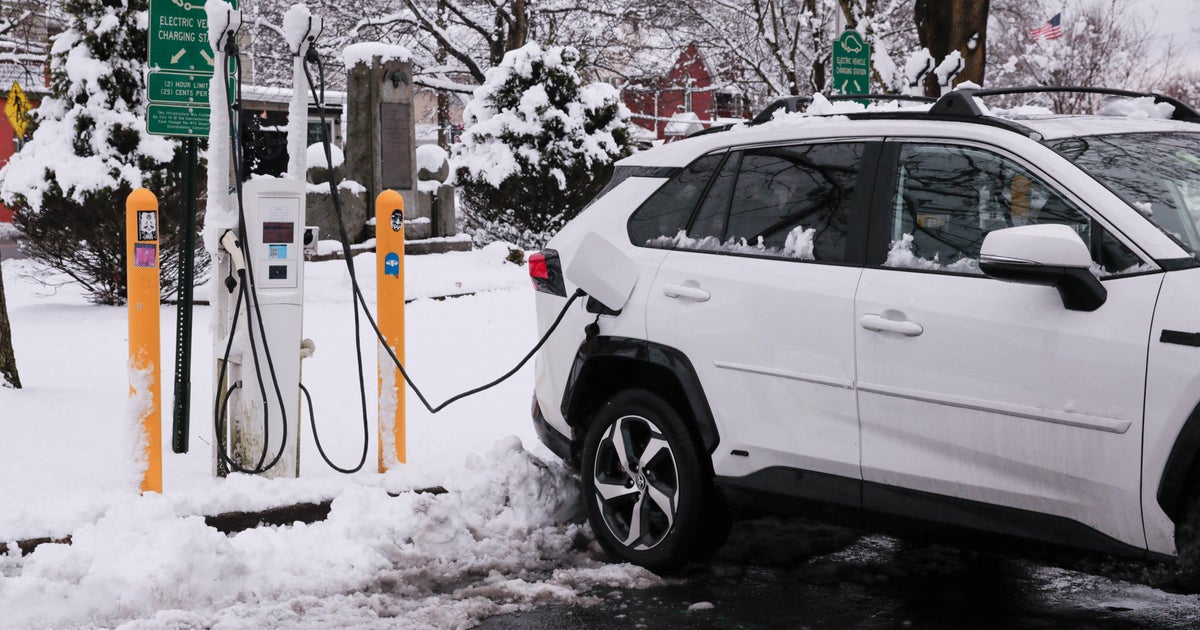
Last winter I was heading up to the mountains for a weekend getaway, super excited, you know? I had my EV charged to full the night before, thinking I'd have plenty of range. But halfway there, with temperatures dipping below freezing, I glanced at the dashboard and saw my estimated range had dropped like 40 percent. I started sweating a bit, even though it was cold out. Actually, I ended up making it, but it was close, and that's when I really started paying attention to this whole winter EV range loss thing.
To me, the biggest game changer has been learning how to precondition the battery properly. It's not complicated, but it makes such a difference in cold weather. If you're dealing with snow and ice where you live, you probably know that feeling of watching your range shrink. I've been there more than once.
Actually, after that trip, I spent some time figuring out better ways to handle winter driving in my electric car. And honestly, preconditioning has saved me a bunch of stress ever since.
Why cold weather hits your EV range pretty hard
Cold temperatures just slow everything down in a battery. The chemical reactions inside lithium-ion cells get sluggish when it's freezing out, so the battery can't deliver power as efficiently. On top of that, you're running the heater, which pulls a ton of energy. And if the cabin is ice cold when you start, it takes even more to warm up.
I remember one morning last January, it was about 10 degrees Fahrenheit, and I hopped in without any prep. The range estimate was way lower than usual, and the car felt kind of lazy accelerating. Actually, driving in those conditions without doing anything beforehand makes the loss feel worse than it has to be.
Heating the cabin while driving eats range too, especially if you're using resistive heaters instead of a heat pump. Some newer EVs have heat pumps that are more efficient, but even then, cold still takes a bite. To me, understanding this helped me stop panicking every time the numbers dropped.
What battery preconditioning actually does for your EV
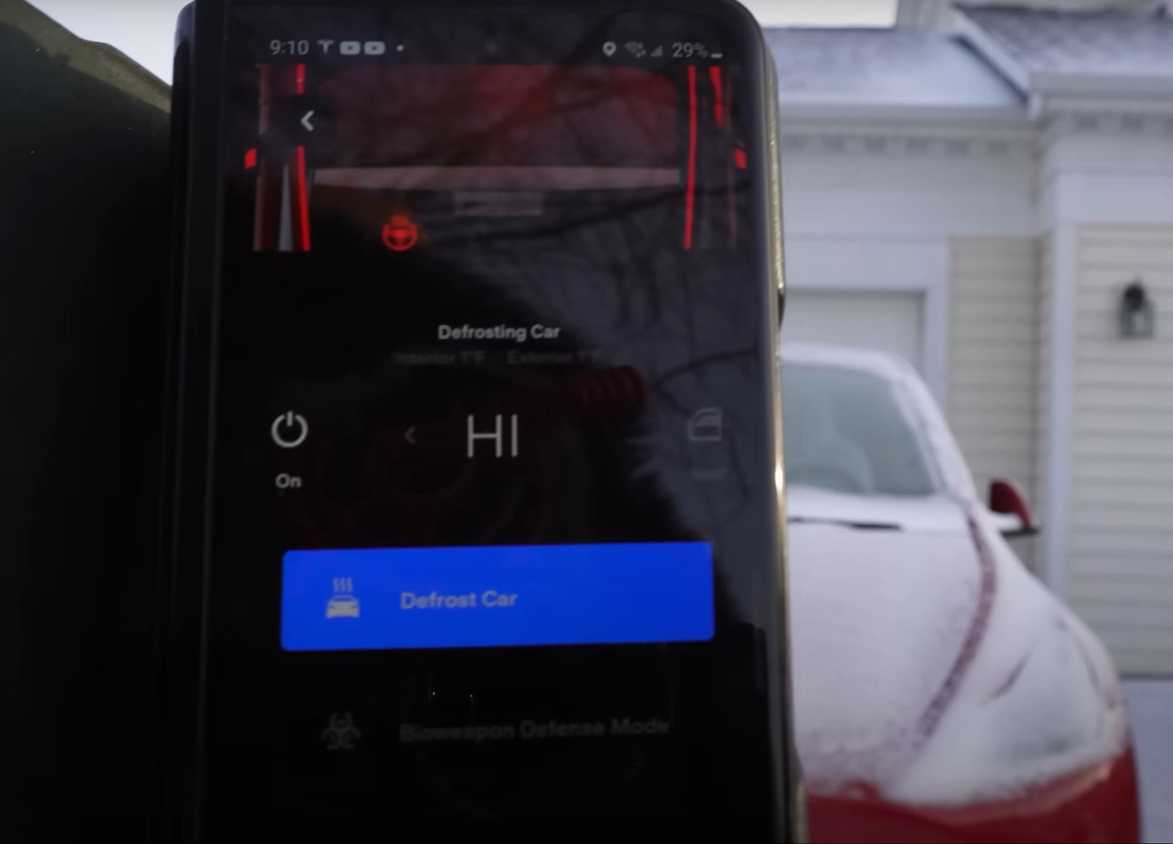
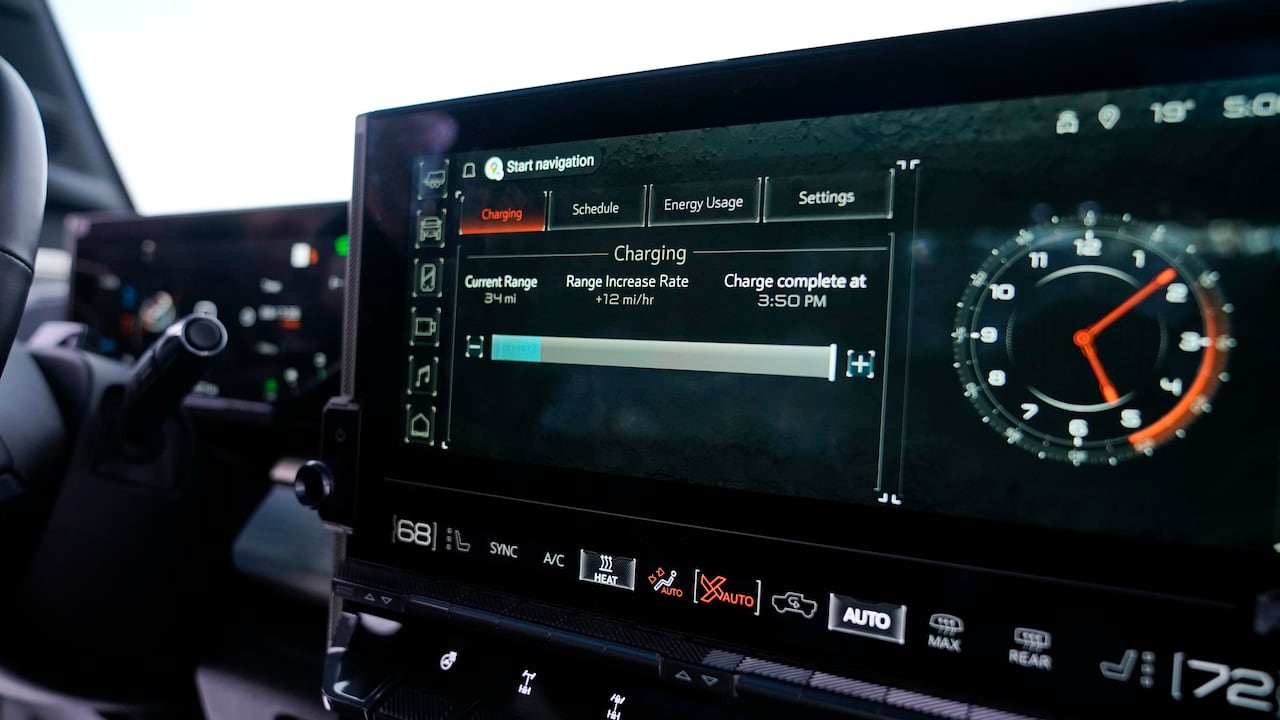
Preconditioning basically means warming up the battery (and often the cabin) before you hit the road. Most modern EVs let you do this through the app or by scheduling it. The car uses power from the wall charger if it's plugged in, so it doesn't drain your driving range.
When the battery is at a better temperature, it can accept charge faster if you're heading to a DC fast charger, and it delivers power more efficiently once you're moving. I find it also makes the regen braking feel normal right away, instead of limited like it sometimes is when the battery is super cold.
Actually, the first time I tried it, I was surprised how toasty the seats and steering wheel were when I got in. Little things like that make winter mornings way less miserable.
How I precondition my battery before cold weather drives
It's pretty straightforward once you get the habit. Here's what works for me:
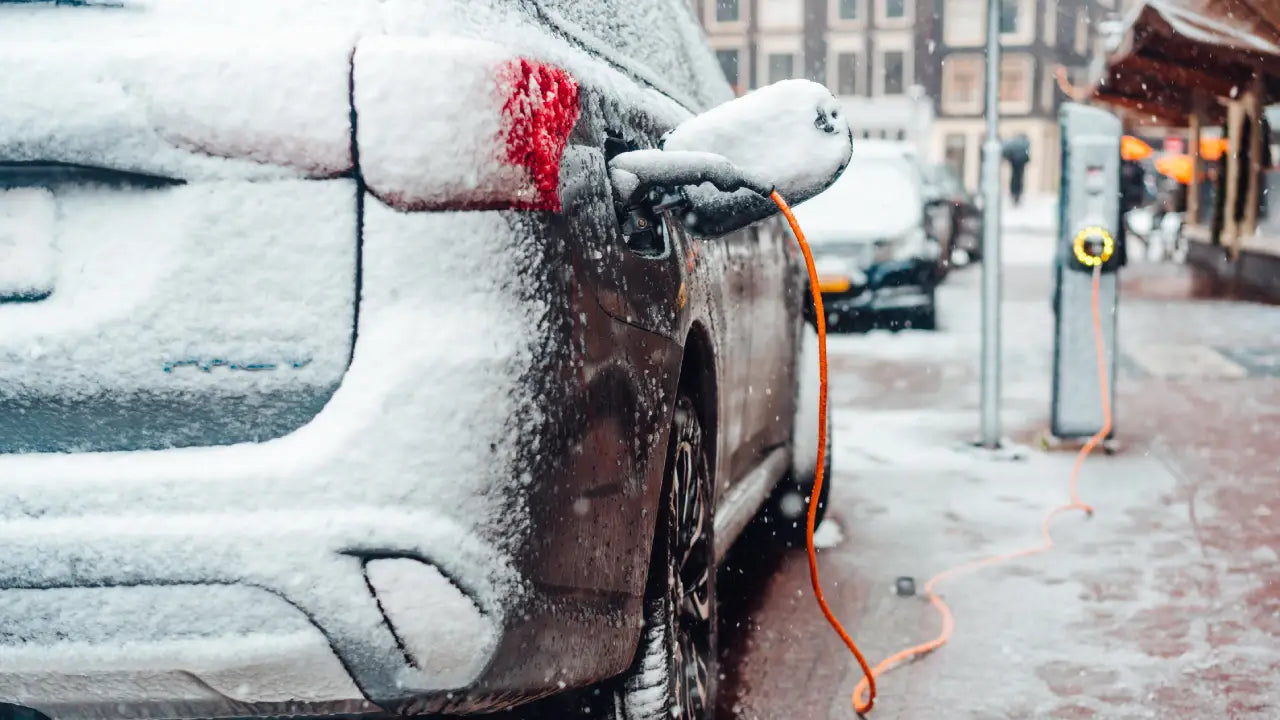
| 1 | Keep the car plugged in overnight or whenever possible, especially in winter. |
| 2 | Use the app to start preconditioning about 30-45 minutes before I leave. I just hit the climate button or set departure time. |
| 3 | If I'm going to a fast charger, I use navigation to the station – many EVs automatically precondition the battery on the way. |
| 4 | Set a scheduled departure in the car settings so it warms up automatically at the same time every morning. |
| 5 | While it's preconditioning, I clear snow and ice off the car – everything's ready when I walk out. |
Honestly, the scheduled departure is what I use most now. I set it once, and the car handles the rest while still on the charger. No extra effort.
One time I forgot and had to precondition on battery power – it worked, but it did use a few percent. So yeah, being plugged in is key for not losing range.
Other cold weather habits that help keep range up
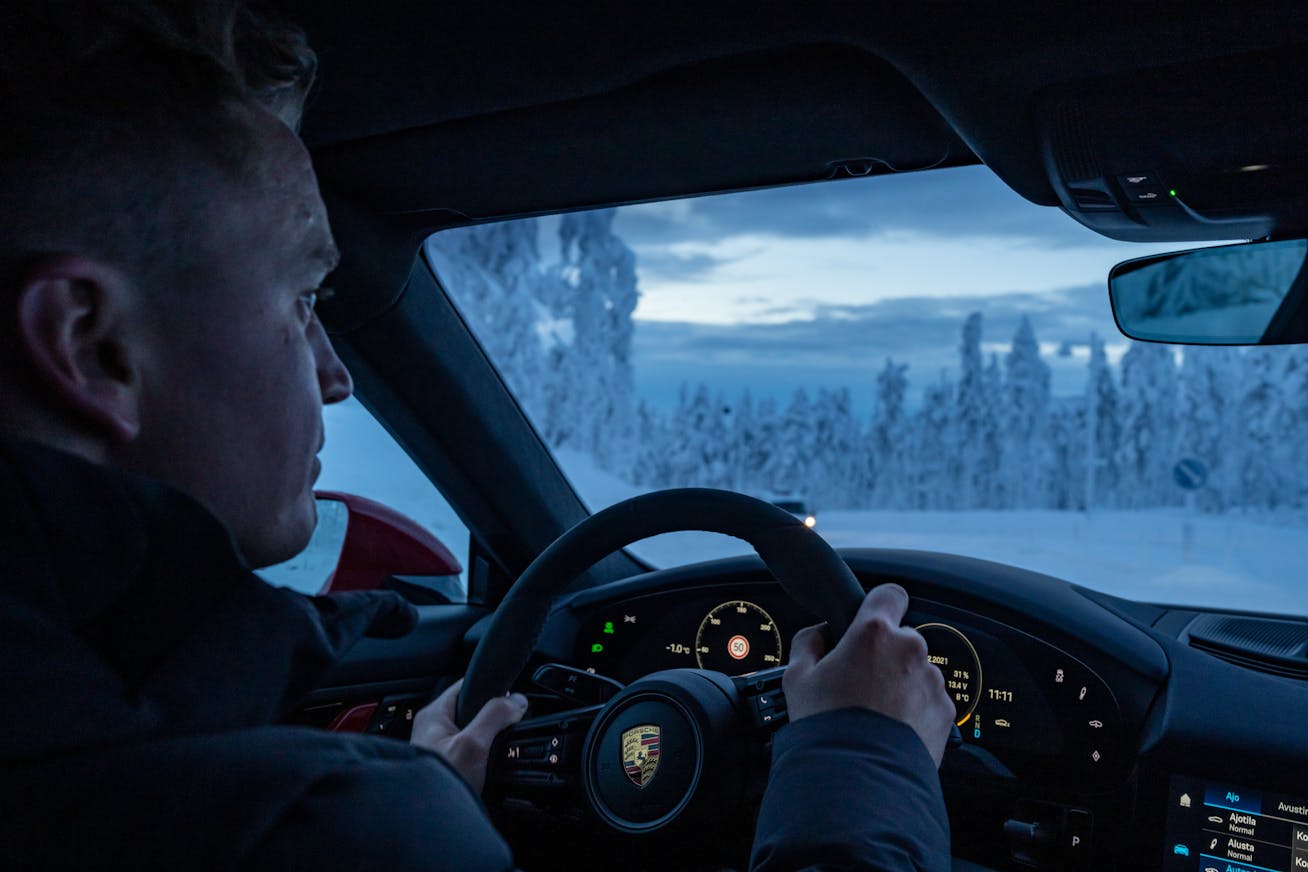
Beyond preconditioning, I park in the garage when I can. Even if it's not heated, it keeps the car from getting as cold overnight. I also use seat heaters and the steering wheel heater instead of cranking the cabin heat the whole drive – they use way less power.
Driving smoother helps too. Easy acceleration, coasting when possible, that kind of thing. In snow, good winter tires make a huge difference for efficiency and safety.
Last month I took a longer road trip in below-freezing temps. With preconditioning, garage parking, and mindful driving, my actual range was only about 20 percent less than summer – way better than the 40-50 percent hits I used to see.
Actually, these small changes together add up more than you'd think.
Winter EV range loss is real, but preconditioning your battery while plugged in is the simplest way to fight back against cold weather drops. Give it a try next time it's freezing out – set that schedule or fire up the app before you head out. You'll probably notice the difference right away, just like I did after that stressful mountain drive. Drive safe out there.