

Last summer I took my electric car on a long road trip up the coast, just me and a couple podcasts. About halfway through, I started getting that familiar twitchy feeling watching the range drop faster than I expected. Pulled over at some random charger in the middle of nowhere and sat there for almost an hour. That's when I really started digging into solid-state batteries again. I'd read about them before, but actually sitting there made me think, man, if these next-gen batteries ever show up for real, trips like that could feel totally different.
I find the whole thing kind of fascinating, honestly. I've been driving EVs for a few years now, and while I love not stopping for gas, the battery stuff still feels like the one thing holding everything back. So I figured I'd put together what I've learned about solid-state batteries, in plain terms, like I'm just telling a friend over coffee.
What Solid-State Batteries Actually Are
Okay, so regular lithium-ion batteries – the ones in your phone and my car – use a liquid electrolyte to move ions between the anode and cathode. That liquid works fine, but it comes with some downsides we'll get to later.
Solid-state batteries swap that liquid for a solid material. Could be ceramic, glass, some kind of polymer, different companies use different stuff. The basic idea stays the same: lithium ions shuttle back and forth to store and release energy. But because it's solid, everything gets packed tighter and behaves differently.
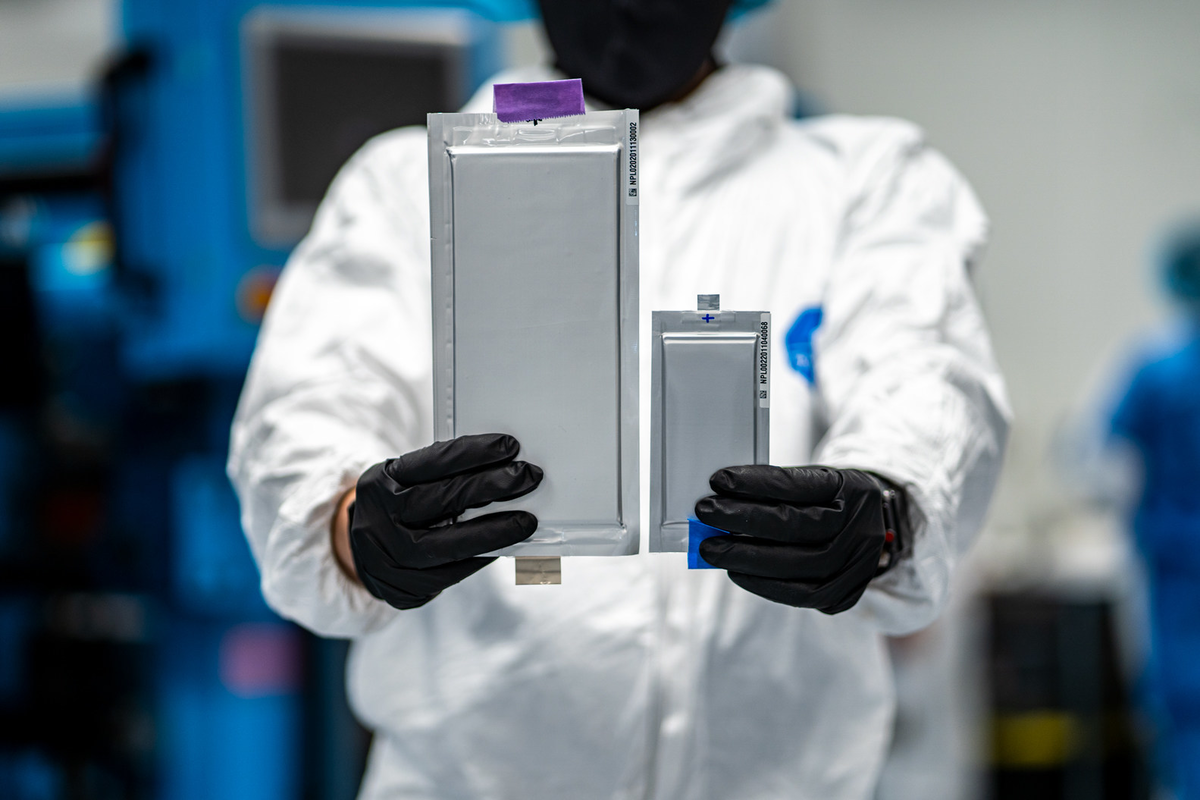
To me it feels almost too simple when you first hear it. Like, why didn't we do this sooner? But actually making the solid version work reliably turns out to be really tricky. I remember reading an article a while back showing tiny prototypes, and thinking yeah, this could be huge if they ever scale it.
How Solid-State Batteries Stack Up Against Today's Tech
The potential advantages get me the most excited. Higher energy density tops the list – basically you can store more power in the same space, or the same power in less space. That translates directly to longer driving range without making the battery pack bigger or heavier.
They're also supposed to charge much faster because the solid electrolyte handles heat better, and safety improves a lot. Liquid electrolytes can catch fire if things go wrong; solid ones pretty much don't.
Here's a quick side-by-side I threw together from what I've read:
| Current Lithium-Ion | Solid-State (potential) | |
| Energy density | Around 250-300 Wh/kg | Potentially 400-500+ Wh/kg |
| Charging speed | 30-60 min for 80% | Possibly 10-15 min |
| Safety | Risk of thermal runaway | Much lower fire risk |
| Lifespan | 500-1000 cycles typical | Potentially 2000+ cycles |
| Cold weather performance | Noticeable drop | Better retention |
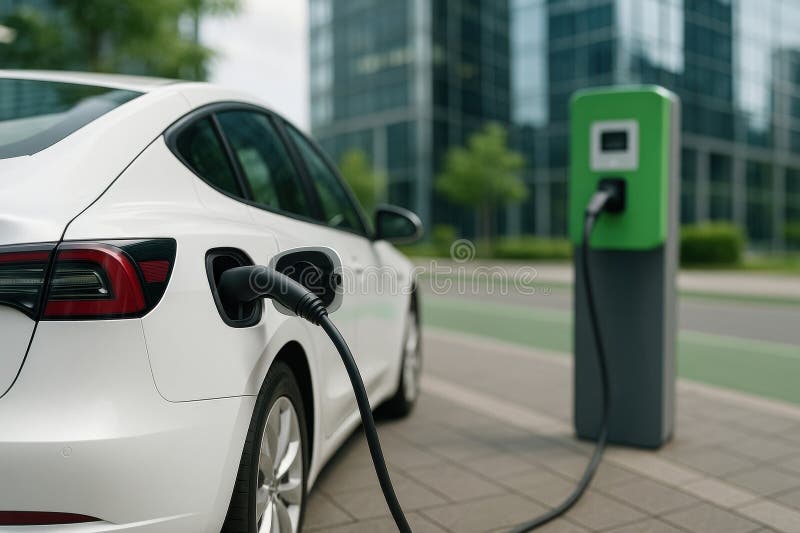
My current car loses maybe twenty percent range when it gets really cold out. Actually had that happen last winter on a ski trip, had to detour to a charger I hadn't planned on. If solid-state batteries handle temperature better like they say, that kind of hassle could mostly disappear.
Where Things Stand Right Now with Development
Companies have been working on this for years. Toyota keeps talking about having something ready around 2027-2028. QuantumScape has been testing cells with Volkswagen, Samsung and Solid Power are in the mix too. Some startups claim they're close to production samples.
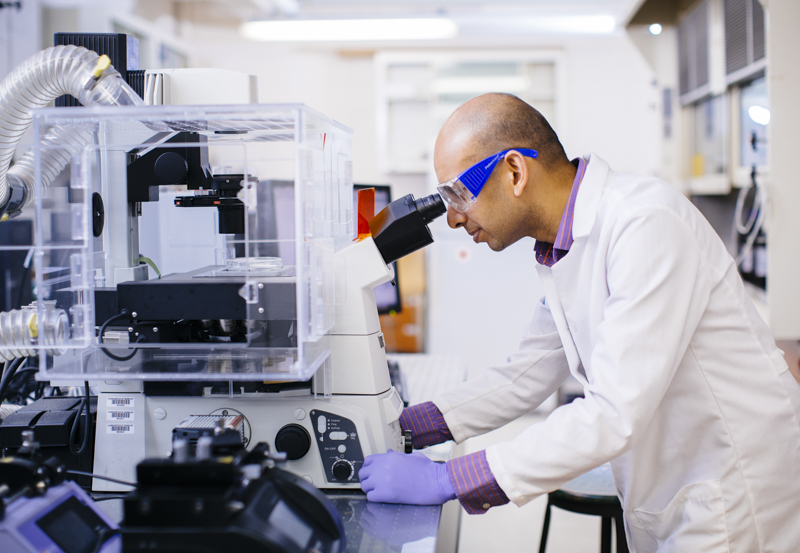
But honestly, timelines keep slipping. I followed QuantumScape pretty closely a couple years ago when their stock went wild, then reality hit and progress slowed. Still, the lab results keep getting better – higher density, more cycles, stuff like that. It's moving, just not as fast as the headlines sometimes make it sound.
The manufacturing side is the real bottleneck. Making these solid electrolytes at scale without defects is hard. Costs are high right now too. But once someone cracks mass production, prices should come down fast, kind of like what happened with regular lithium-ion over the years.
What's Next for Next-Gen Batteries in Electric Cars
If everything lines up, we might start seeing solid-state batteries in premium cars by the end of this decade. Longer term, they could become standard. More range, faster charging, lighter cars, maybe even cheaper in the long run because they last longer.

To me that's the exciting part. Road trips without range anxiety, quick top-ups like filling gas, batteries that don't wear out as fast. My buddy just bought his first EV and keeps complaining about charging times – I keep telling him hang in there, the next-gen stuff is coming.
Solid-state batteries still have hurdles, sure, but the progress feels real. Keep an eye on the news over the next few years, maybe test drive whatever comes out first. Could change how we all think about driving electric.