
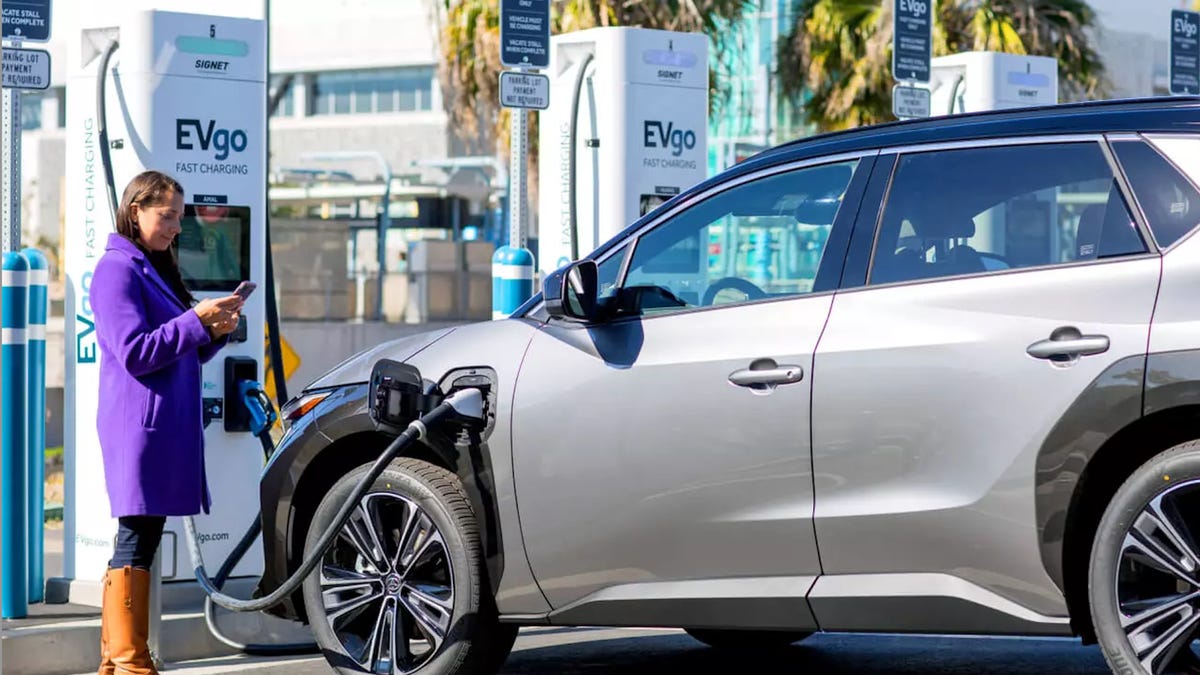
Last year I was hunting for a used electric car, you know, something affordable but still decent for daily drives. I ended up looking at this 2019 Tesla Model 3 that seemed perfect on the outside. The seller kept saying the battery was fine, but I had this nagging feeling. Actually, I'd heard too many stories about batteries losing capacity faster than expected. To me, checking the battery health, or SOH as people call it, feels like the most important part when buying a used EV. Without it, you might end up with way less range than you think. I find that a lot of buyers skip this and regret it later. Anyway, that experience got me digging into how to actually check battery health properly on a used electric car.
I've bought a couple used EVs now, and each time the battery question comes up first. It's not like gas cars where the engine might last forever if you maintain it. Batteries degrade over time, and in a used one, you really want to know where it stands.
Why Battery Health Matters So Much in Used Electric Cars
When you're looking at a used electric car, the battery is pretty much the heart of the whole thing. SOH stands for state of health, and it tells you how much capacity the battery has left compared to when it was new. If it's dropped a lot, your range suffers, and fixing it can cost a fortune.
I remember test driving that Model 3. The owner claimed it still got close to 300 miles on a charge, but something felt off. Turns out the real range was more like 240 on a good day. Actually, battery degradation happens from charging habits, temperature, mileage, all that stuff. To me, anything below 85% SOH starts feeling risky for a daily driver, especially if you do longer trips sometimes.
A lot of people focus on the exterior or the tech features, but ignore the battery until it's too late. I find that asking for charging history or seeing how the car performs in cold weather gives clues too. But yeah, getting a solid read on the actual SOH is what saves you from surprises down the road.
Simple Checks You Can Do Yourself on a Used EV Battery
Okay, so you're at the seller's place looking at their used electric car. There are a few quick things anyone can do without fancy equipment. First, just look at the displayed range when it's fully charged. Compare that to what the model originally promised. For example, older Teslas show estimated range right on the dash.
Then take it for a drive and see how the battery percentage drops. Does it feel consistent, or does it plunge faster than you'd expect? I did this with a used Bolt once, charged it to 100% and drove a known route. It helped me spot that the real-world range was shorter than advertised.
Another easy one is checking for any warning lights or battery-related messages in the car's menu. Some EVs let you see basic health info buried in the settings. Actually, I find charging it a bit during the test and watching how fast it accepts power gives hints too. Slow charging can mean degradation.
Here's a quick table of what different SOH levels generally feel like in real use:
| SOH Percentage | Expected Range Loss | My Thoughts |
| 95% or higher | Minimal, almost like new | Feels great, worth paying a bit more |
| 90-95% | Noticeable but okay for most | Still solid, especially if price is right |
| 85-90% | Obvious shorter range | Only if it's a steal and local drives |
| Below 85% | Significant loss, possible issues | I'd walk away unless super cheap |
These are rough, since it depends on the model, but they've helped me decide a few times.
Getting Accurate SOH Readings with Apps and Tools
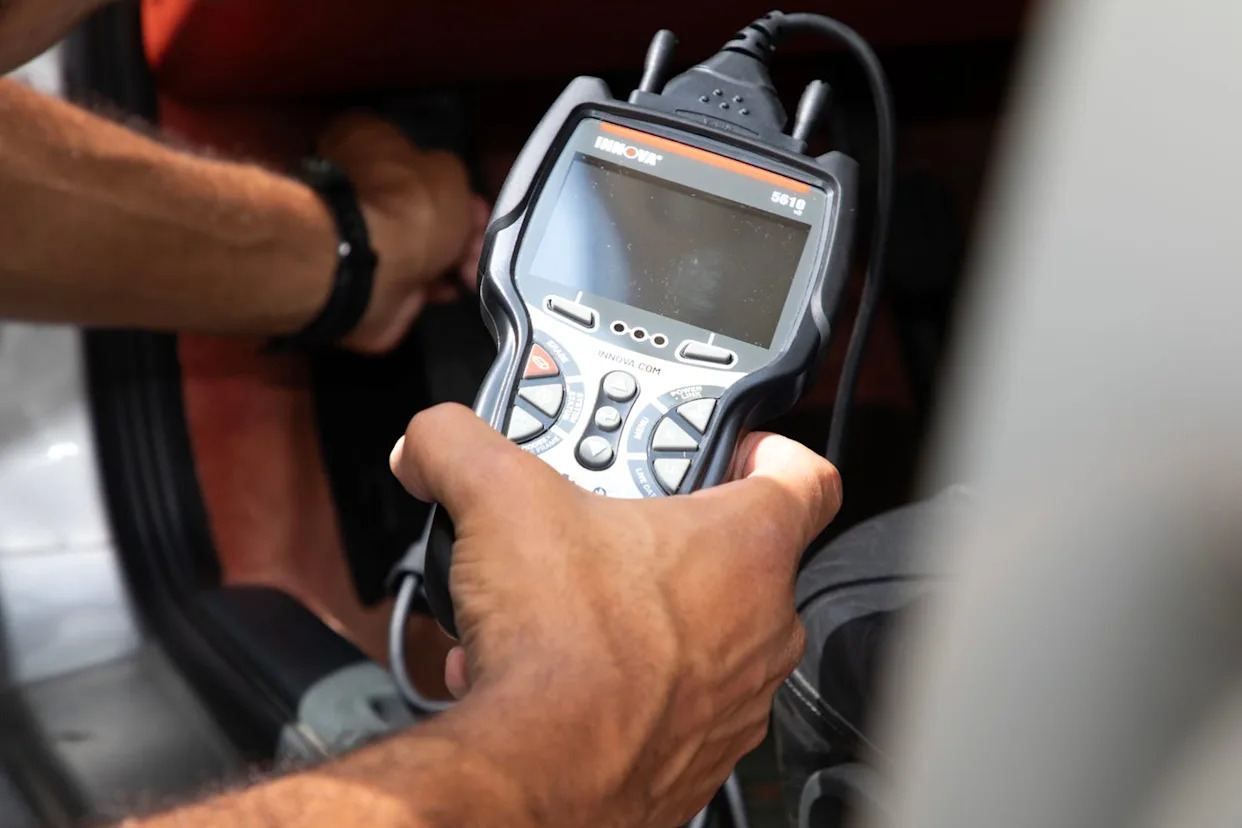
If the car has an app, like Tesla or some others, log in with the owner's account during the viewing and check the battery stats. Teslas show degradation pretty clearly if you know where to look. I find third-party apps like ScanMyTesla or Torque Pro with an OBD adapter work wonders on many models.
You plug in this little Bluetooth OBD scanner, pair it with your phone, and suddenly you get real numbers on cell voltages, SOH estimate, all that. My buddy used one on a used Leaf and found the SOH was only 78%, way lower than the seller thought. Saved him from a bad buy.
Not every EV supports the same tools, though. Newer ones sometimes lock down access. But for most popular used ones like Model 3, Leaf, or Bolt, there are decent options. To me, spending fifty bucks on a scanner is totally worth it if you're serious about buying.
When It's Worth Getting a Pro to Check the Battery
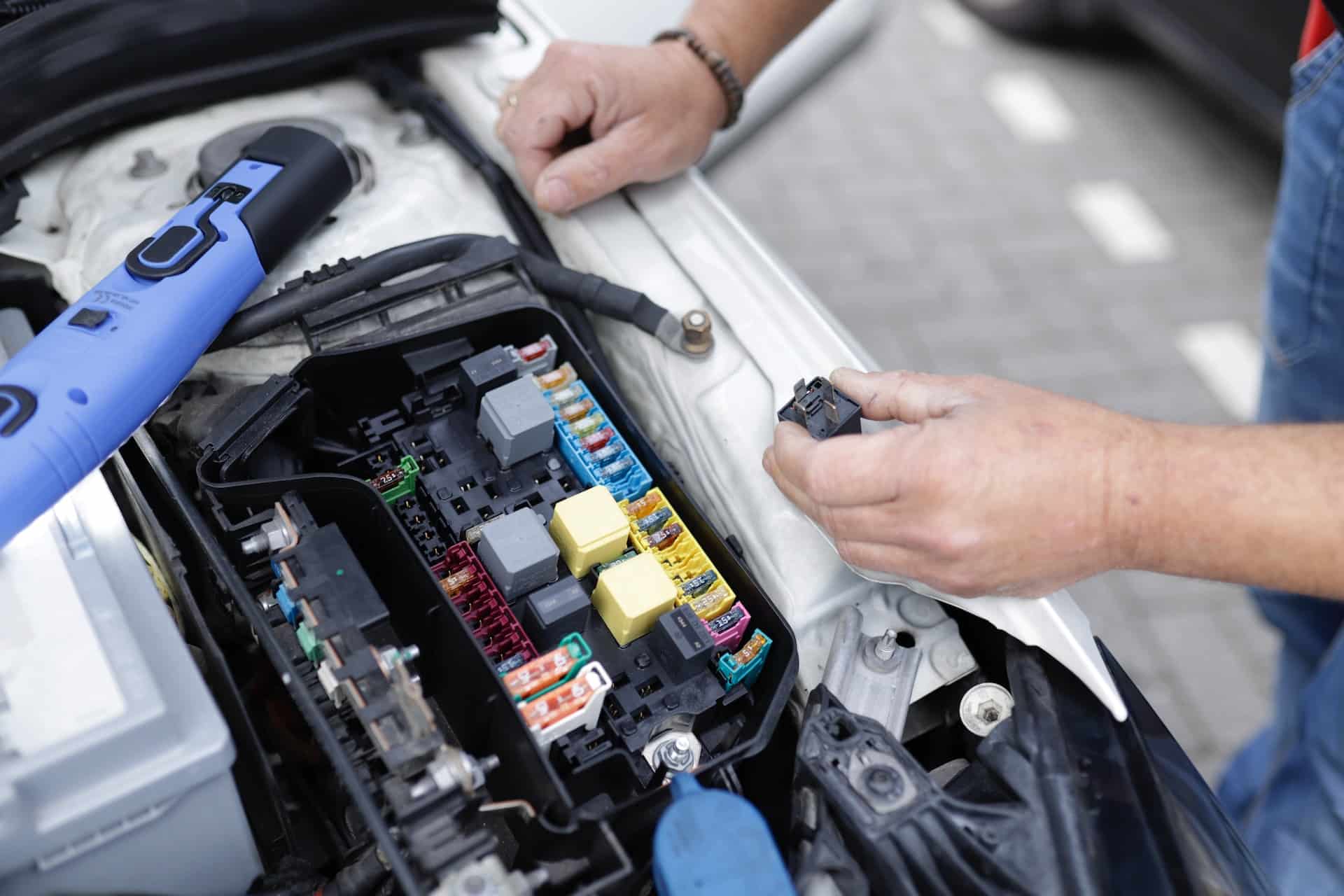
Sometimes the DIY stuff isn't enough, especially on cars without good app access. That's when I take it to a shop that knows EVs. A proper diagnostic can spot unbalanced cells or hidden problems.
I did this with my current Model Y, actually a used one from 2021. The independent EV mechanic ran a full battery test and confirmed 94% SOH. Gave me peace of mind. Places specializing in electric cars have the right equipment for pack-level checks.
It's not cheap, maybe a couple hundred bucks, but way less than a battery replacement later. I find asking the seller to split the cost or do it pre-purchase works sometimes. If they refuse, that's a red flag to me.
Some Personal Tips After a Few Used EV Purchases
Looking back, the biggest lesson is don't trust the seller's word alone on battery health. Always verify yourself or with help. Also, check the warranty. Tesla batteries have that eight-year coverage, which saved a friend when his dropped fast.
Another thing, I always try to see the car at around 100% charge and note the exact range shown. Compare it online to what others with similar mileage report. Small stuff like that adds up.
One last story, this guy I know bought a used i3 without checking properly. Six months later the range was awful in winter. He still likes the car, but wishes he'd dug deeper on the SOH.
All in all, checking battery health on a used electric car isn't that complicated once you know the steps. Do a quick drive test, use an app or scanner if possible, and get a pro opinion when in doubt. Next time you're looking at a used EV, make checking the battery SOH your top priority. It'll save you headaches and money later.