

Last summer I did this road trip from LA up to Portland in my Model 3, just me and a couple friends, bunch of stuff packed in the back. We stopped at Superchargers probably six or seven times over a few days. Honestly, it was so convenient – pull in, plug it, grab coffee or stretch the legs, and twenty minutes later you're back on the road with plenty of range. But every time the car was pulling 200-plus kW, I'd catch myself wondering, am I cooking the battery here? Like, is all this supercharging going to bite me later? I've had the car for almost three years now, and I still think about that a lot. To me, fast charging feels almost too good sometimes, you know?
I've talked to other Tesla owners who swear they only charge slow at home because they're paranoid about degradation. Actually, I get it – nobody wants to lose range down the line. So I figured I'd share what I've figured out from my own experience, no fancy charts or anything, just real stuff.
What Fast Charging and Supercharging Actually Do
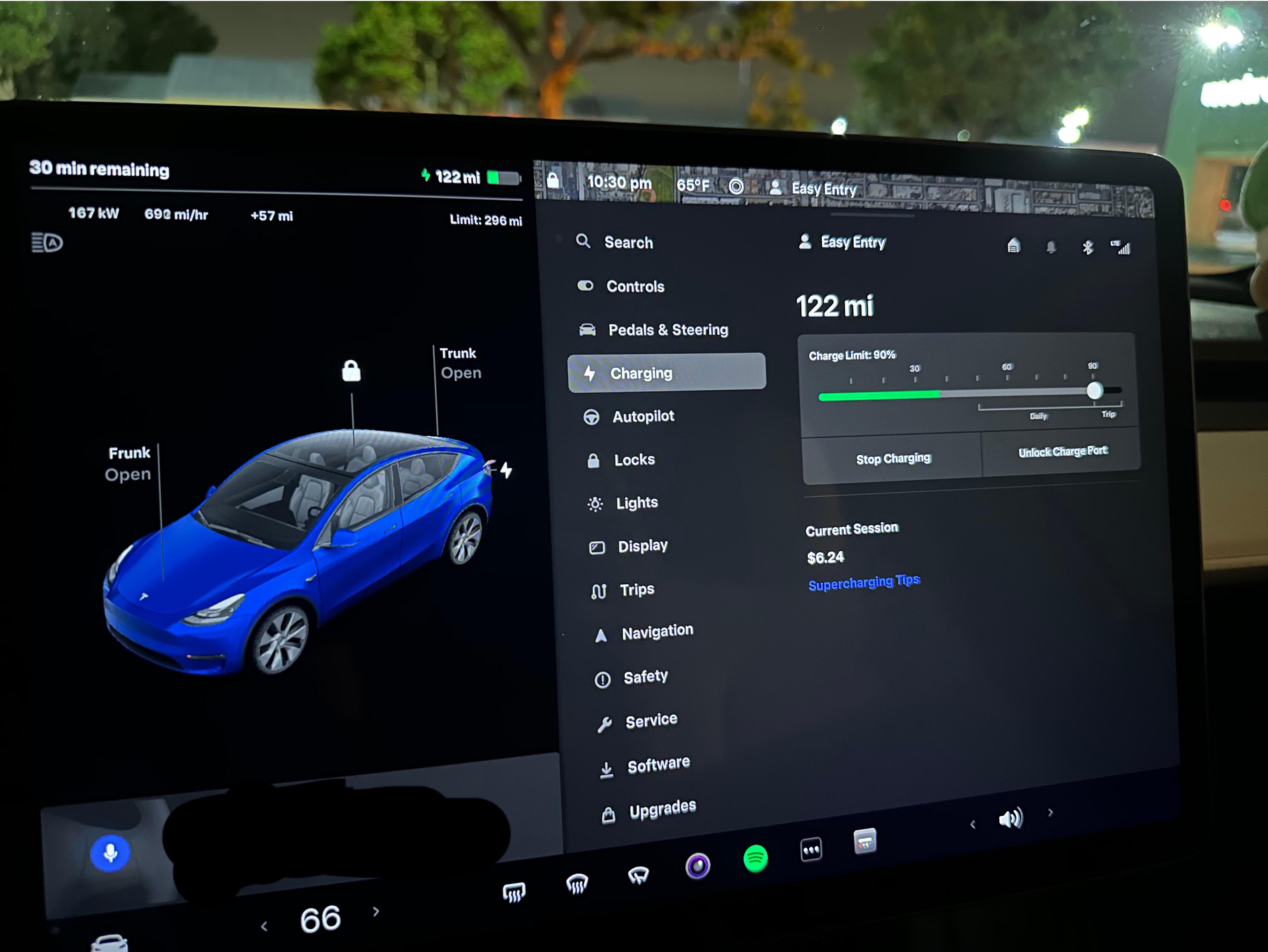
Okay, quick rundown. Slow charging is usually what you do at home with a regular wall charger or even just a 110-volt outlet – it's like 3 to 11 kW, takes hours, sometimes overnight. Fast charging, or DC fast like Superchargers, pushes way more power, up to 250 kW on the newer ones. The car fills up much quicker, especially when the battery is low.
The big difference is heat. When you're supercharging, the battery gets warmer because all that energy is rushing in fast. Tesla has pretty good cooling systems – pumps and fans kick on, you can hear them sometimes – but it's still more stress than slow charging. I remember one hot day in the desert, the charging speed dropped after a while because the battery was getting toasty. The car just throttles it down to protect itself. Actually, that's kind of reassuring, shows it's not dumb about it.
Does Supercharging Really Damage Your Battery Over Time?
Here's the thing people worry about most: degradation. Batteries wear out no matter what, but does fast charging speed it up? From what I've seen in my own car, not dramatically. I've got around 80,000 miles now, and the battery health is still showing about 92% of original capacity. I supercharge maybe once or twice a week, sometimes more on trips.
Heat is the main enemy of lithium-ion batteries – it speeds up the chemical reactions that slowly break things down. Constant supercharging to 100% probably isn't great, but occasional use? I haven't noticed much difference. Actually, my bigger range loss came from a winter where I left the car outside in freezing temps a lot. Cold seems worse in some ways.
I find the whole debate a bit overblown. Tesla designed these cars to handle Superchargers – it's part of the deal. If it was really bad, they'd tell us to avoid it, right?
| Fast Charging (Supercharging) | Slow Charging (Home) | |
| Speed | 20-40 minutes for decent range | 6-12 hours for full charge |
| Heat generated | Higher, but managed by cooling | Low, very gentle |
| Convenience | Great for road trips | Perfect for daily routine |
| My typical use | Long drives, quick stops | Overnight most days |
| Impact I've noticed | Minimal after years | Feels safest long-term |
My Real Experiences Mixing Fast and Slow Charging
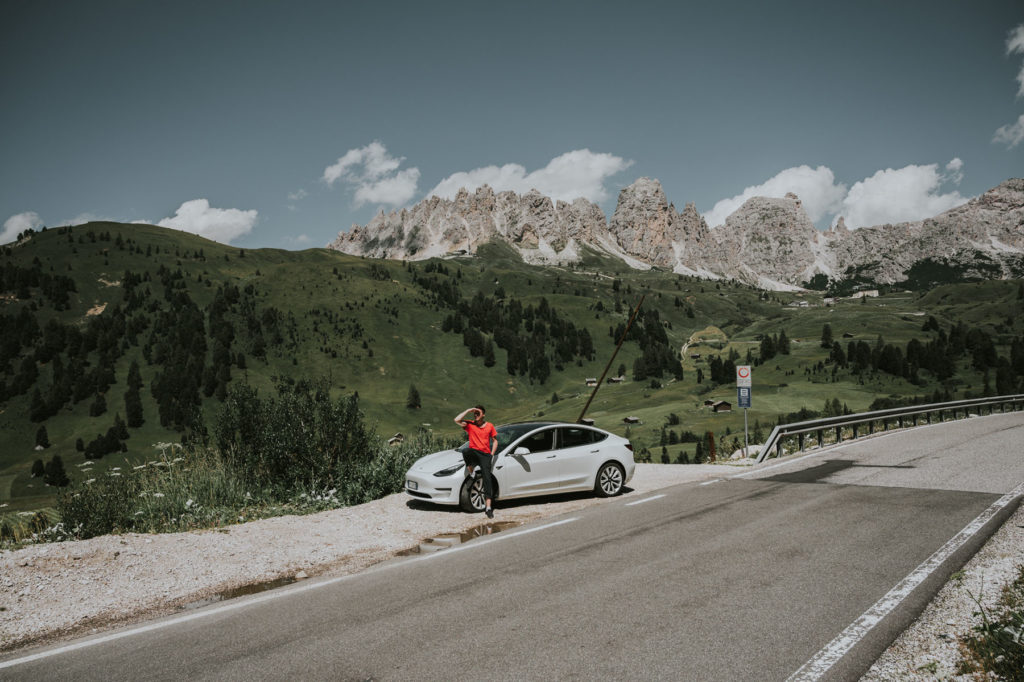
That Portland trip wasn't my only heavy supercharging adventure. Last year I drove cross-country to visit family in Colorado – four long days, almost all on Superchargers. The car handled it fine, no weird warnings or anything. When I got home, I checked the battery stats in the app, and degradation was basically the same as before the trip.
On the flip side, there's this friend of mine who only charges at home, super careful, never goes above 80%. His car is a year older than mine, and honestly our range numbers are pretty similar. Makes me think lifestyle matters more than charging speed alone.
To me, the sweet spot is using both. I slow charge at home 90% of the time because it's cheap and easy, but when I'm out and about or on a trip, supercharging saves the day. I try not to charge to 100% unless I really need the range, and I precondition the battery when it's cold. Little habits like that seem to help.
Why Slow Charging Still Feels Better Most Days
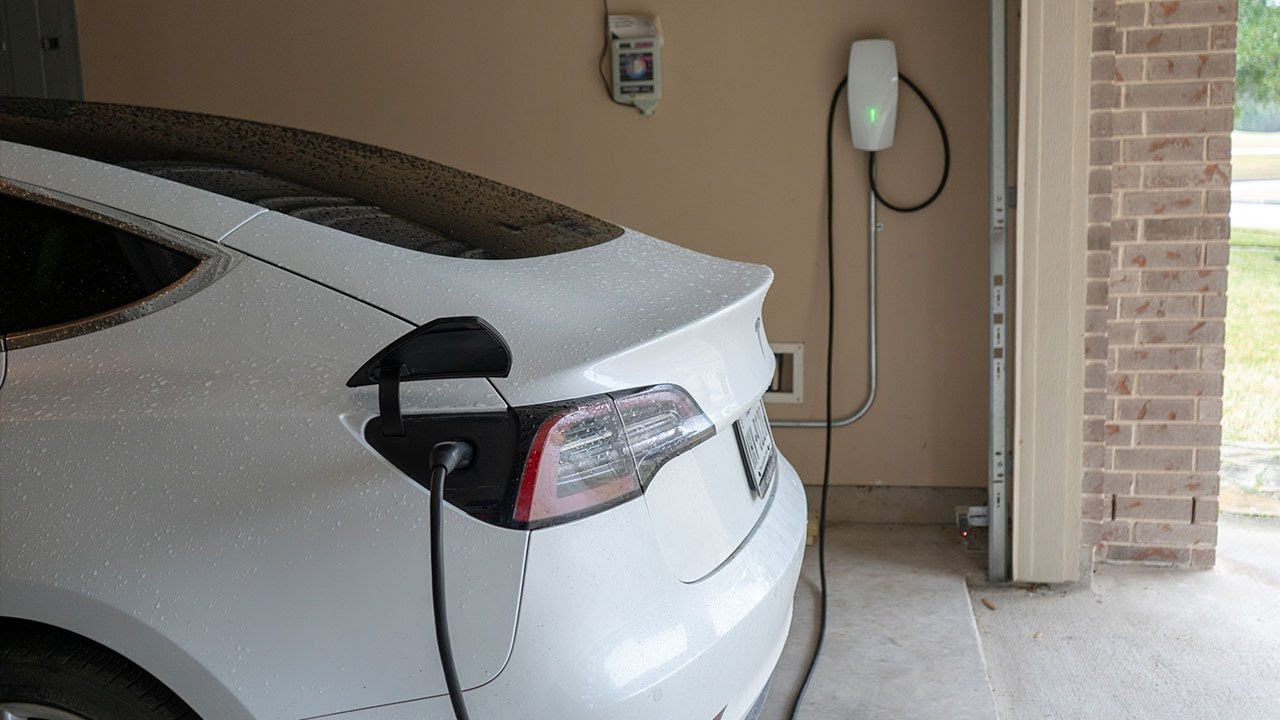
Home charging is just... peaceful. Plug in when I get home from work, wake up to a full battery. No hunting for stations, no paying peak rates. And yeah, I do think it's gentler on the battery. Less heat, slower chemical reactions, all that. If I could only pick one, I'd go slow charging every time.
But life isn't perfect. Sometimes you need the speed. Actually, having Superchargers available is a big reason I went with Tesla in the first place. Without fast charging, long trips would be way more stressful.
So does supercharging damage your battery? In my experience, not in any meaningful way if you're reasonable about it. Mix fast and slow charging, don't obsess over every percentage point, and just enjoy driving. Check your battery health in the service menu now and then, and you'll probably be fine. That's what works for me, anyway – your mileage may vary, literally.