
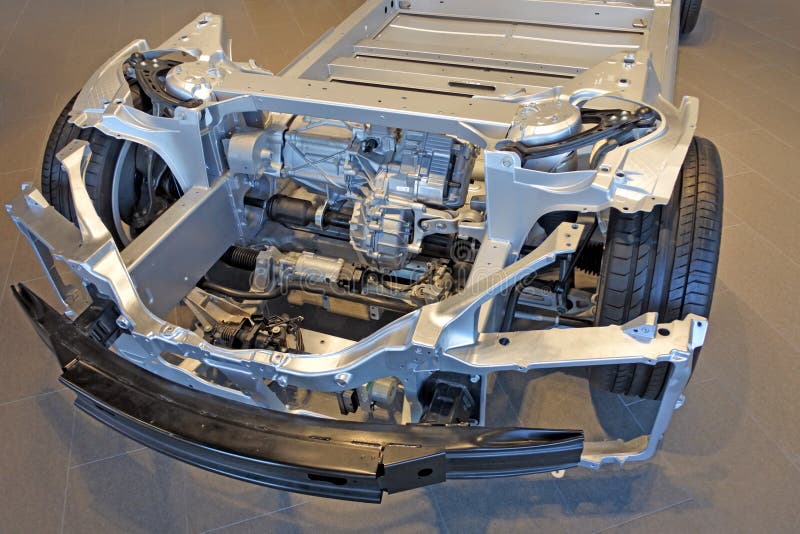
Last summer I took my Model 3 on a long drive up the coast, and it was one of those days where the sun just wouldn't quit. I stopped for a quick charge at a Supercharger, and when I got back in, the car felt warmer than usual. I pulled up the app and saw the battery temp creeping up higher than I liked. It made me nervous for a minute because I'd heard stories about reduced range or even worse issues if things get too hot. Actually, that trip got me digging into how these EV cooling systems actually work. To me, it's kind of wild that something as simple as keeping the battery at the right temperature can make such a big difference in how the car performs day to day.
I've owned my EV for a couple years now, and I've learned the hard way that batteries don't like extreme heat. It's not like a gas engine where you just notice it running rough. Here, heat quietly eats away at efficiency and, over time, the battery's life. I find it interesting how much thought goes into this behind the scenes.
Why EV Batteries Get Hot So Quickly
Batteries heat up because of the way electricity moves in and out. When you're driving hard or charging fast, the chemical reactions inside the cells generate heat pretty quickly. I remember one time pushing the car on a twisty road, really enjoying the instant torque, and afterward the battery felt noticeably warmer through the app. Actually, fast charging is the biggest culprit for me. Those high-power sessions can push temps up fast if there's no good way to pull the heat away.
Too much heat slows down charging speeds, cuts your range, and if it happens a lot, it can shorten how long the battery lasts overall. I've seen my estimated range drop by twenty or thirty miles on really hot days, and it's frustrating when you're planning a trip. To me, it's one of those things that makes EV ownership different from gas cars – you start paying attention to temperature in a whole new way.
How EV Cooling Systems Actually Work
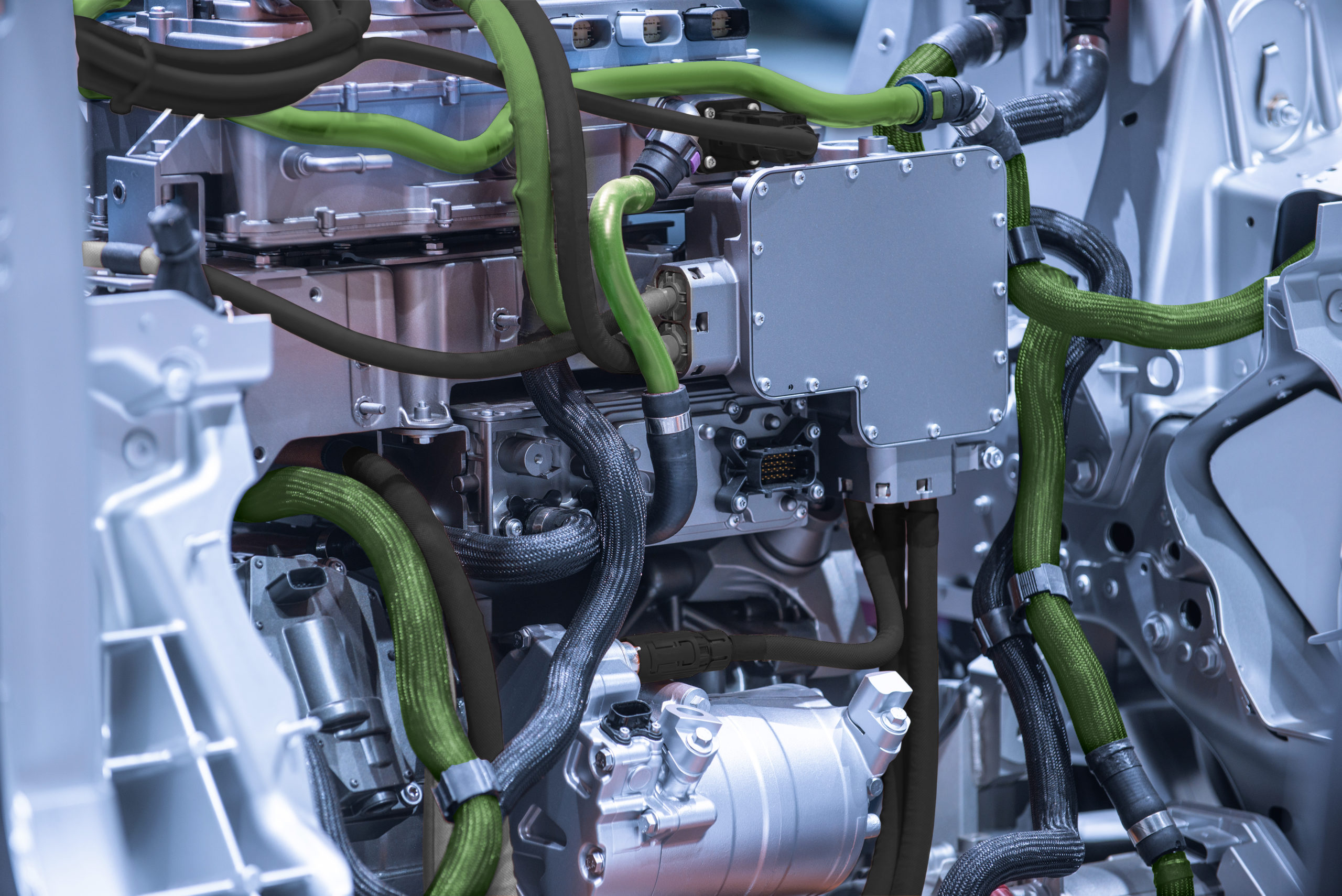
Most modern EVs use some form of active cooling to keep the battery in its happy zone, usually around room temperature to a bit warmer. The basic idea is simple: move heat away from the cells before it builds up. Some cars rely on air, blowing fans over the pack or using the airflow under the car. Others – like my Tesla – pump coolant through plates or tubes that sit right against the cells.
The coolant picks up heat and carries it to a heat exchanger up front, kind of like a small radiator. Fans help when you're parked or moving slowly. It's all tied into the climate control too, so on hot days the car might use a bit more energy to keep the battery cool. I find the whole loop pretty clever, honestly. It runs quietly in the background, but without it the battery would cook itself on a long drive.
Here's a quick comparison of the two main approaches I've seen in EVs:
| Air Cooling | Liquid Cooling | |
| How it works | Fans and vents move air over the pack | Coolant loops through channels touching cells |
| Best for | Milder climates, slower charging | Fast charging, hot weather, high performance |
| Efficiency | Simpler and lighter | Better at even temperature across the pack |
| Examples | Older Nissan Leaf models | Tesla, most newer EVs |
Liquid cooling wins for keeping things consistent, which matters a lot for battery life.
The Role of Radiators in EV Battery Cooling
Yeah, electric cars have radiators too, even though there's no engine up front. That grille you see isn't just for looks – it lets air flow to a radiator that cools the battery loop. In some designs there's a separate one just for the battery coolant. When you're driving at speed, air rushes through and pulls heat away naturally. At low speeds or when stopped, electric fans kick in.
I was surprised when I first learned this. I thought EVs wouldn't need anything like a traditional radiator, but it turns out they do for the same reason: physics doesn't care what powers the car, heat still has to go somewhere. To me, it's cool how engineers reused a century-old idea but made it work for batteries instead of engines.
Real-World Tips for Keeping Your Battery Cool
After a few close calls on hot days, I've picked up some habits that help. Pre-conditioning the cabin and battery while still plugged in is huge – it uses wall power instead of battery power to cool things down before you leave. Parking in shade or a garage makes a noticeable difference too. And when it's really scorching, I try to avoid back-to-back fast charges without a break.
One winter trip reminded me it works both ways – cold batteries don't like charging fast either, so the system warms them up first. Actually, that time in the mountains, I was glad the car handled it automatically. Little things like checking the app for battery temp before a long drive have become second nature now.
All said, getting how EV cooling systems work – and why even batteries need something like a radiator – has made me a lot more confident owning an electric car. If you're driving one or thinking about it, keep an eye on those temperatures when you can. It really does help you get the best range and longest life out of the battery over the years.