
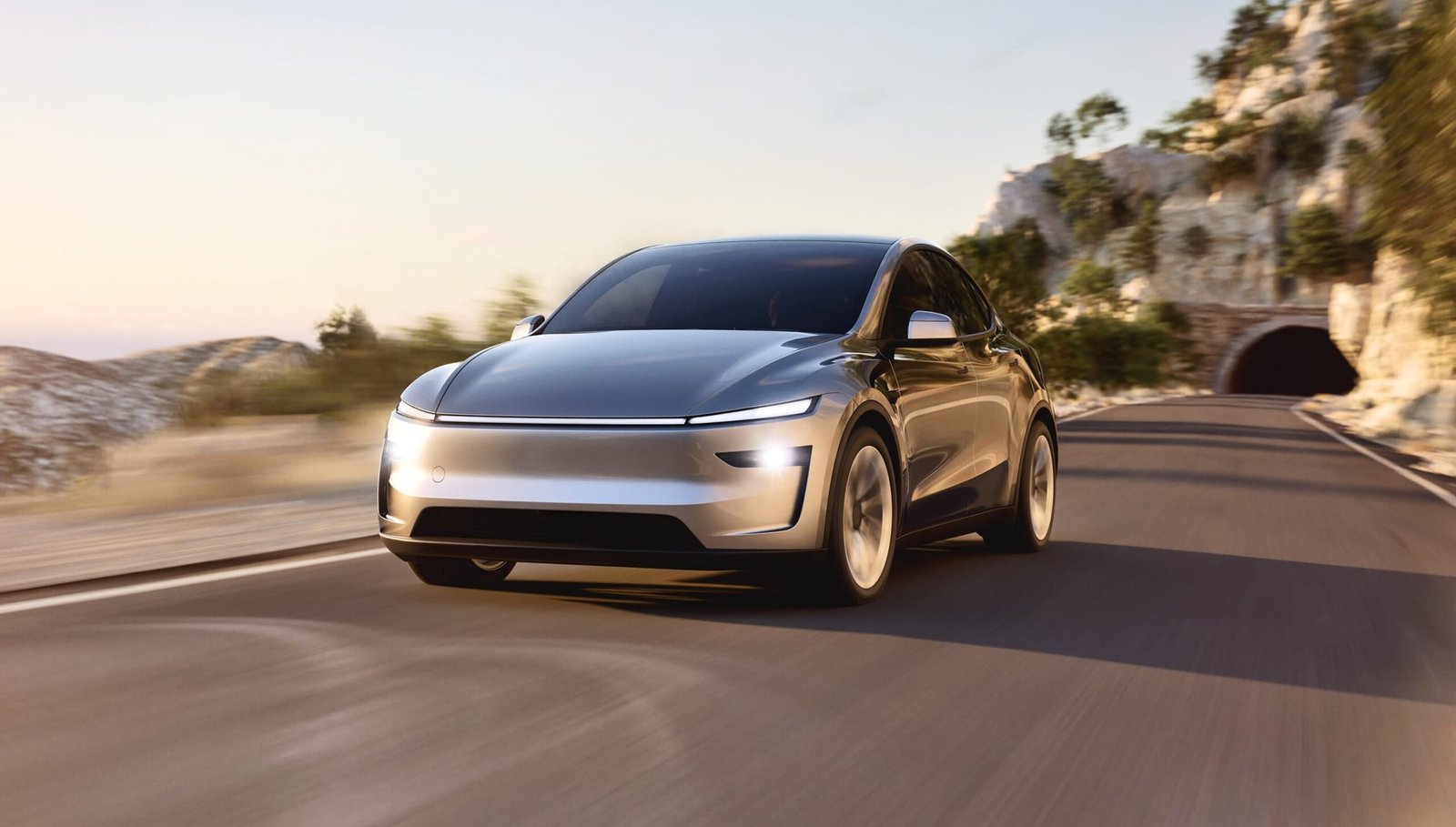
Hey, a couple years back I picked up my first electric car, a Tesla Model 3, and man, I was mostly excited about the acceleration and never having to stop at gas stations. Tires? I barely gave them a second thought. The car came with whatever stock ones Tesla put on, and I figured they'd be fine. But after about 15,000 miles, I noticed they were wearing down way faster than I expected. Actually, the fronts were almost bald in spots. That got me wondering what was going on. Turns out, electric vehicles like mine put a lot more stress on tires than regular cars do. I ended up replacing them sooner than I planned, and that's when I started looking into specialized tires for EVs. To me, it made a huge difference once I switched.
If you're driving an EV or thinking about getting one, you've probably heard something about needing special tires. I didn't really get it at first either. But after living with it for a while, it makes total sense now.
Why Electric Cars Need Specialized Tires
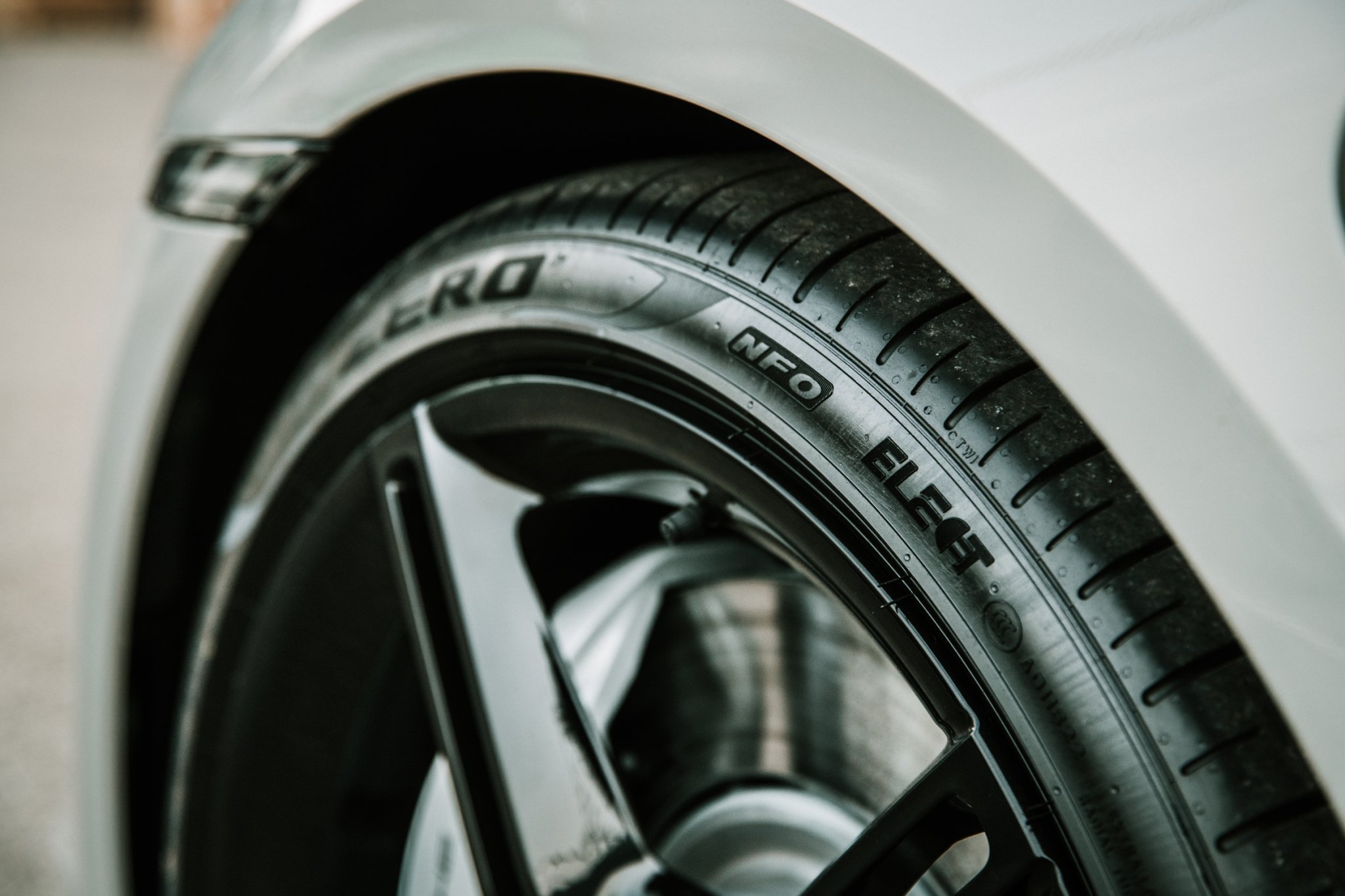
Electric vehicles are heavier than most gas cars because of the battery pack. My Model 3 weighs a good bit more than a similar-sized Honda would. That extra weight means the tires have to carry more load all the time. Then there's the instant torque – you step on the pedal and it just goes, no waiting for the engine to rev up. That's fun, but it chews up the tread quicker, especially if you're like me and enjoy that quick launch now and then.
Another thing is range. With an EV, every bit of efficiency matters if you want to go farther on a charge. Regular tires create more rolling resistance, which drains the battery faster. Specialized EV tires are made with compounds and patterns that roll easier, so you squeeze out more miles. I remember on my first long trip before switching tires, I was constantly watching the range drop faster than I liked on the highway. Actually, it stressed me out a little.
And noise – EVs are so quiet inside without an engine, but then you hear every bit of tire hum. Stock tires on mine were okay, but you could still hear that road noise on coarser pavement. EV-specific ones often have foam inside or special patterns to cut down on that.
How Specialized EV Tires Actually Help
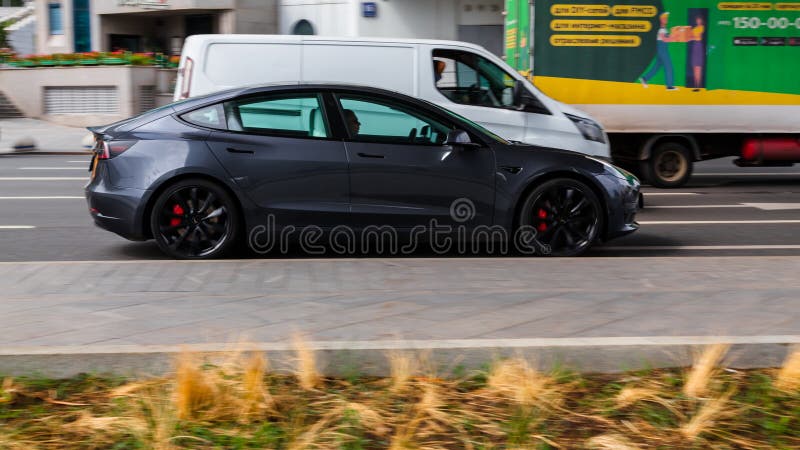
Once I put on a set designed for electric cars, the changes weren't dramatic at first glance, but over time they added up. The ride got quieter, almost eerily so on smooth roads. I could have conversations without raising my voice at highway speeds. Range improved too – I started seeing 10-15 more miles on average per charge, depending on the weather. To me, that's worth it alone.
Grip felt better in wet conditions. Last summer I got caught in a heavy rain on a road trip up the coast, and the car stayed planted where the old tires might have felt a bit sketchy. The tread patterns on EV tires are often optimized for water evacuation while keeping low resistance.
Wear seems slower now too. I'm at about 20,000 miles on this set and they still look decent. With the stock ones, I was already shopping for replacements by then. It's not just about lasting longer though – it's feeling more confident behind the wheel.
Best Tire Brands for Electric Vehicle Tires
There are a few brands that really stand out for EV tires these days. I've tried a couple, and heard good things about others from friends with different models.
| Michelin Pilot Sport EV | Great all-around, super quiet, excellent wet grip. A bit pricey, but lasts well. |
| Continental PremiumContact 6 (EV version) | Balanced, good range boost, comfortable ride. |
| Pirelli P Zero Elect | Sporty feel, strong acceleration grip, low noise. |
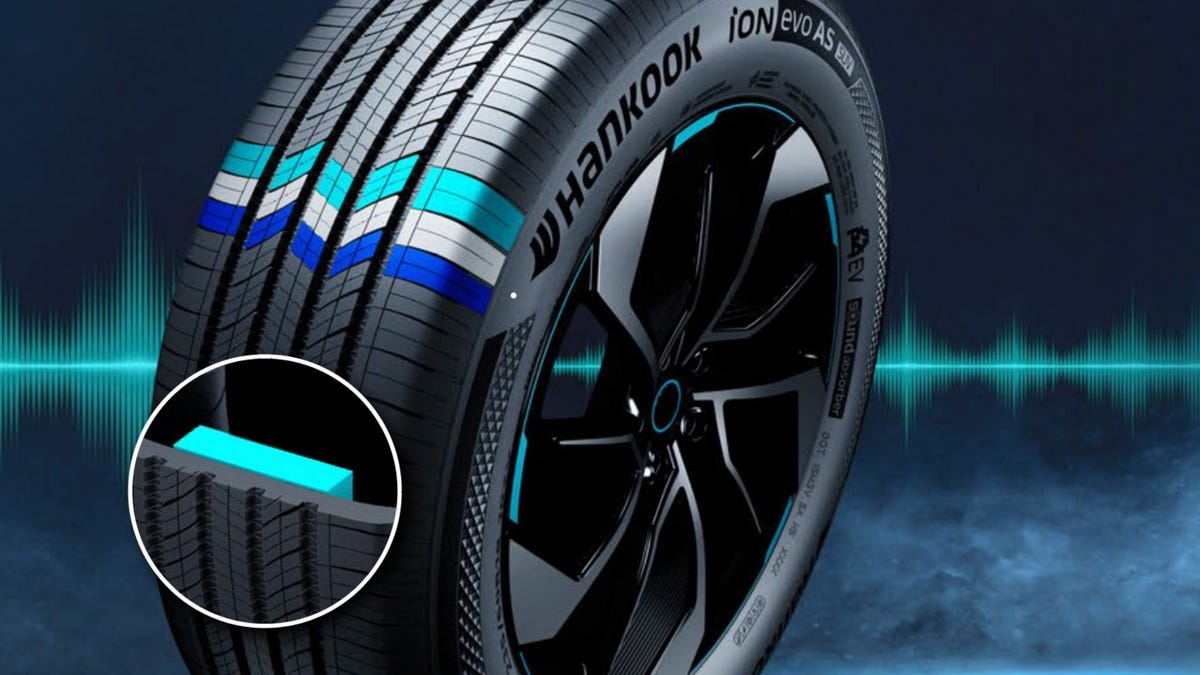
| Hankook iON evo | Solid value, quiet with foam layer, decent wear. |
| Bridgestone Turanza EV | Focus on efficiency and long life, smooth on highways. |
I went with Michelin the first time I replaced, and stuck with them since. They fit my driving style – mix of city and longer trips. A buddy with a Rivian swears by the Pirelli ones for handling heavier loads.
My Own Experiences Switching to EV Tires
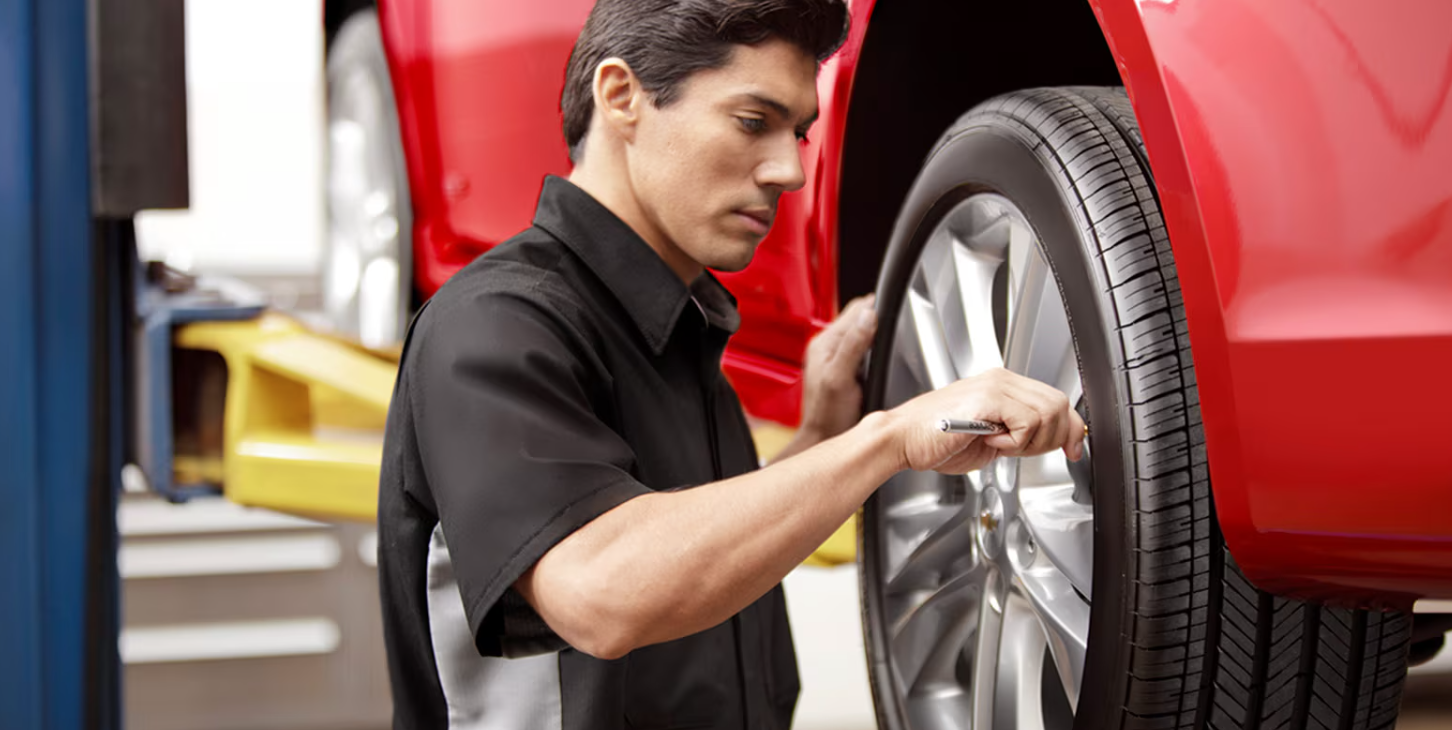

Like I said earlier, my first replacement was rushed because the originals wore unevenly. I did some reading and landed on Michelin. The shop that installed them noticed right away how much quieter the car became. On the drive home, it felt different – smoother, less vibration through the steering.
Last year I took a longer trip, about 800 miles round trip, with the family. The extra range meant one less charging stop, which was nice with kids in the car. And the whole way, it was just peaceful inside. Actually, my wife commented how much nicer it was compared to our old gas SUV.
One small thing I learned the hard way – keep an eye on pressure. EVs are sensitive to it because of the weight. I check mine every couple weeks now, and it helps everything last longer.
If you're running an electric vehicle, think about upgrading to specialized tires when the time comes. It might cost a little more upfront, but the quieter ride, better range, and longer wear make it feel worth it to me. Next time yours need replacing, maybe chat with a shop that knows EVs or look at what others with your model are using. You'll probably notice the difference pretty quick.