
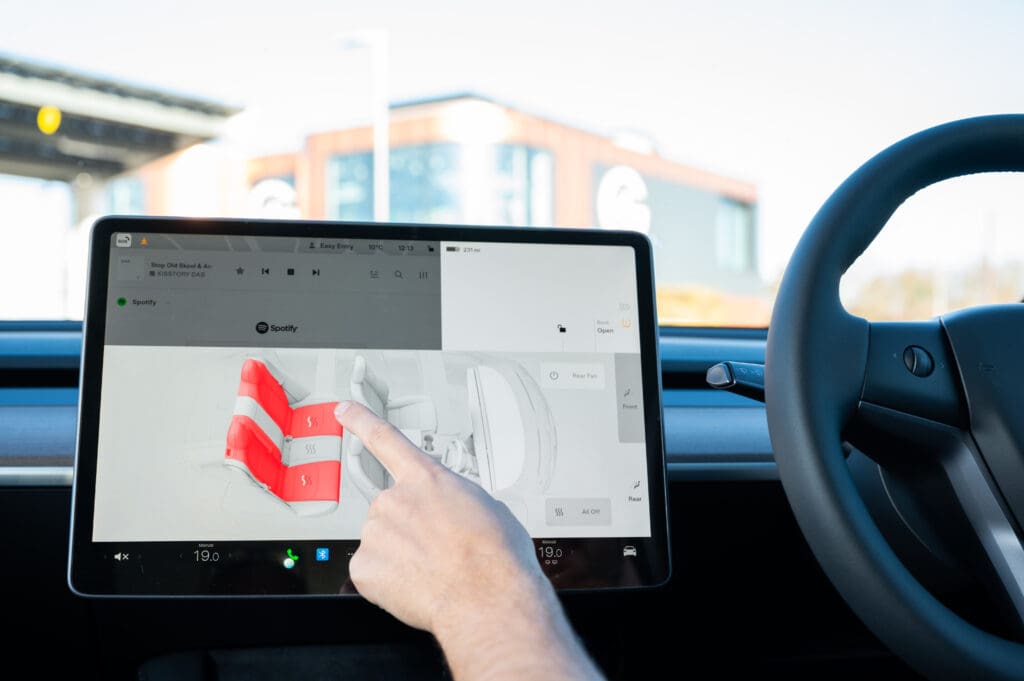
I remember the day I picked up my first EV five years ago like it was yesterday. It was a used Model 3, nothing fancy, but man, the excitement was real. Fast forward to now, and I just hit that five-year mark. The other week I was sitting in the driveway, plugging in after work, and I pulled up the battery stats on the screen. Honestly, I was a little nervous going into it. Everyone talks about EV battery degradation, and I kept wondering what to expect in year 5. Would the range be trashed? Would I be regretting the whole switch? Actually, it wasn't as bad as I thought. The car still feels solid, and the battery holds up better than some of the horror stories I'd heard back when I was shopping around.
I've talked to a bunch of other owners too, and we all kind of compare notes. To me, the whole thing feels less scary once you see the real numbers. It's not like the battery just falls off a cliff. It loses a bit over time, sure, but for most people it's manageable. I find myself charging the same way I always have, and long trips are still no big deal. Anyway, if you're curious about what really happens with EV battery degradation around year five, here's what I've learned from my own car and from digging into what others are seeing.
What EV Battery Degradation Really Means
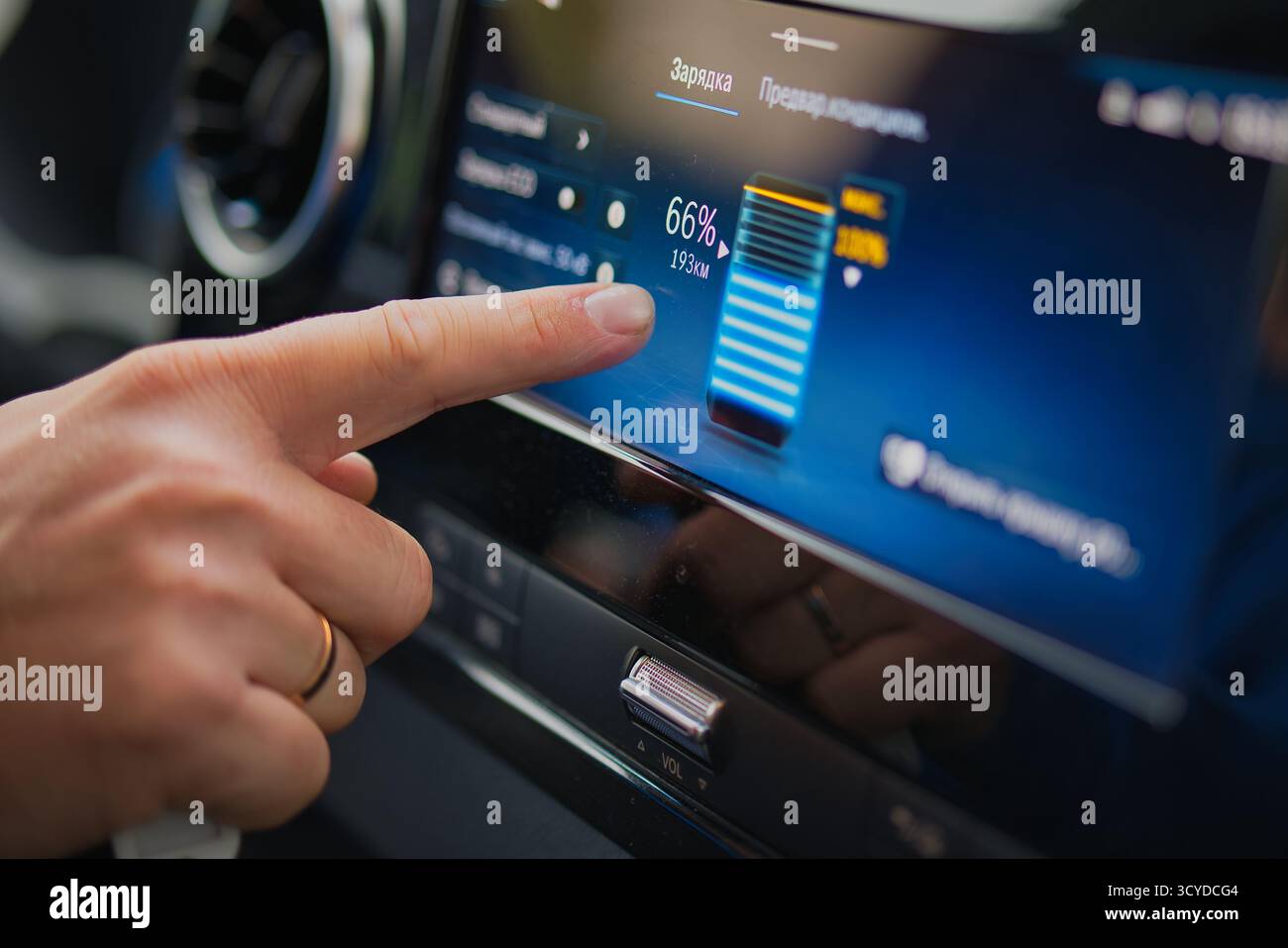
Okay, so battery degradation just means the pack slowly loses its ability to hold as much charge as it did when new. It's normal, kind of like how your phone battery isn't quite the same after a couple years. With EVs though, it happens much slower because these batteries are built tough and have good management systems.
From what I've seen in recent data, most modern EVs lose around 2 to 3 percent capacity per year on average. That adds up to maybe 10 to 15 percent by year five, depending on the model and how you treat it. My Model 3 is sitting at about 12 percent down right now, which lines up pretty well. The range isn't what it was brand new, but on a daily basis I barely notice. Actually, the bigger drops seem to happen early on, then things level out. I think that's why some people freak out after a year or two but then relax once the curve flattens.
It's not the same for every car, of course. Some older models degraded faster, but the newer ones with better chemistry hold up way longer. To me, the warranty gives peace of mind too – most cover you down to 70 percent for eight years or so. Hitting year five and still being well above that feels pretty good.
What to Expect from Your EV Battery in Year 5
A lot of owners report similar numbers. Real-world studies from thousands of cars show that after five years, you're usually looking at 85 to 92 percent of original capacity left. For a car that started with 300 miles of range, that might mean 250 to 275 real-world miles still. I know, it sounds like a big drop when you say it that way, but in practice it's fine.
Last summer I took the family on a road trip, probably 800 miles round trip, and the battery performed great. I planned the charges like always, and we made it without any drama. Actually, I think the bigger annoyance was finding spots to eat near chargers, not the range itself. My point is, by year five the battery is still very usable for most people. You might notice it more in cold weather or on highways, but it's not like the car suddenly becomes useless.

One friend has a different brand, and his degradation is a bit higher, closer to 18 percent. He fast charges a ton though, so that probably explains it. Overall though, the data says most people are pleasantly surprised when they actually check their battery health around this time.
Factors That Can Speed Up Battery Degradation

Not everything is in your control, but some habits definitely make a difference. Heat is a big one – if you live somewhere hot and park outside all day, that speeds things up. Cold isn't great either, though modern cars handle it better with preconditioning.
Fast charging is another. I try to avoid it when I can, but sometimes on trips you have no choice. The data shows frequent high-power DC charging can roughly double the degradation rate. I noticed that period when I was relying on it more for a few months, the battery stats dipped a little faster. Calendar aging happens too, just from time passing even if you don't drive much.
Keeping the battery at 100 percent all the time or letting it sit near empty isn't ideal either. I learned that the hard way early on when I was paranoid about range and kept it topped up constantly. Once I relaxed and started charging to 80 or 90 percent for daily use, things seemed to stabilize.
How I've Kept My EV Battery Healthy Past Year 5
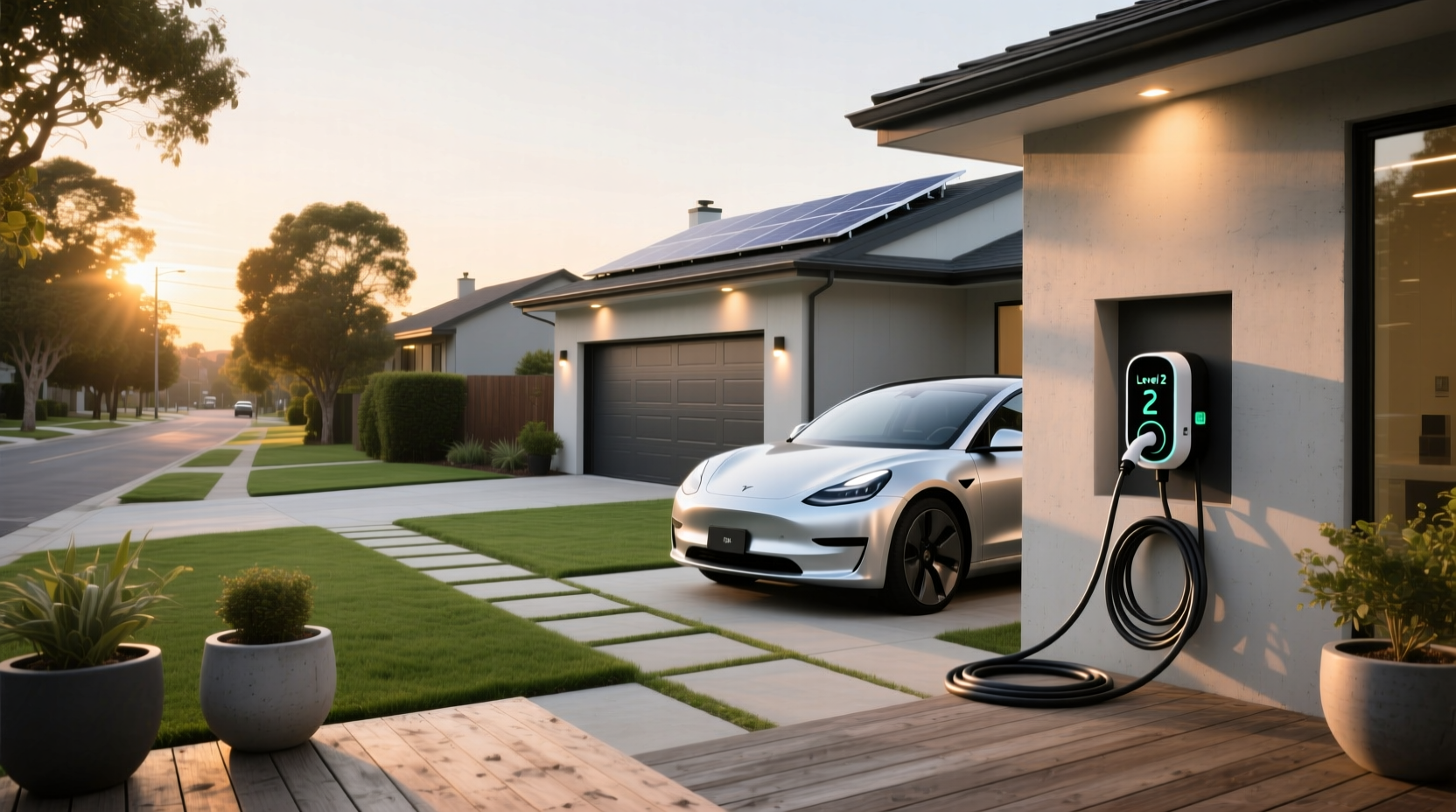
Home charging has been my best friend. Slow Level 2 overnight means less stress on the battery. I set the limit to 80 percent most days, bump it to 100 only when I know I'll need the extra range. Preconditioning while plugged in helps in winter too.
I also try to park in the garage when it's crazy hot or cold out. Little things like that add up. Actually, just driving normally without flooring it everywhere probably helps. The car has regenerative braking, so I use that to my advantage. Over five years these habits became routine, and I think that's why my degradation isn't worse.
Checking the battery health stats every few months keeps me from obsessing. Some apps make it easy now. If you're worried about EV battery degradation hitting year 5, start with these habits early and you'll probably be fine.
Wrapping Up My Thoughts on Year 5 Battery Life
Looking back, the fears I had about the battery dying early were way overblown. My EV is still going strong past five years, and the range works for everything I need. Sure, there's some loss, but it's gradual and totally livable.
If you're on the fence or already owning one and approaching that mark, just keep an eye on your charging habits and don't sweat it too much. Pull up your battery stats sometime and see where you stand – you might be surprised how well it's holding up. For most of us, EV battery degradation in year 5 is just part of the deal, not the end of the world.