
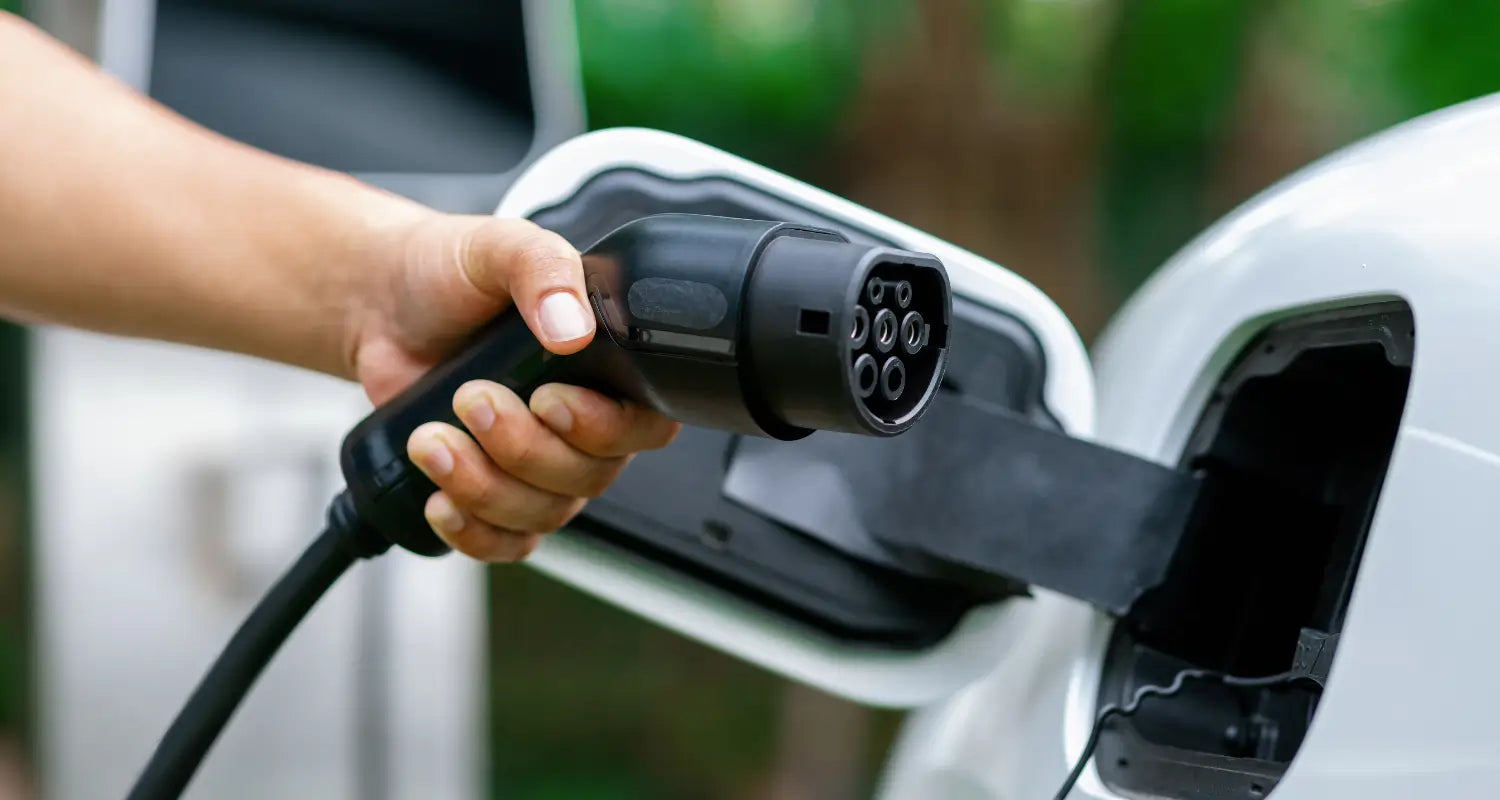
Back when I picked up my first electric car, a used Nissan Leaf a few years ago, I pulled into a parking lot charger and just stared at the cable hanging there. The plug looked chunky, kind of awkward in my hand, but it clicked right into the port with this solid latch sound. That was my first time dealing with a J1772 connector. Honestly, it felt a little confusing at the start, like why can't all these things be the same.
Since then, I've driven a few different EVs. There was that Chevy Bolt I had for a while, then a friend's Tesla I borrowed for a weekend, and lately I've been in a Ford with CCS. Each one has its own plug situation, and it changes how you charge on the go. To me, figuring out J1772, NACS, and CCS made everything less stressful, especially on longer drives. It's not complicated once you get the differences. Actually, I kind of enjoy spotting the different chargers now. So if you're new to this or just curious about EV charging connectors, let's go through them one by one, like I'm explaining it over a beer.
Getting Familiar with the J1772 Connector
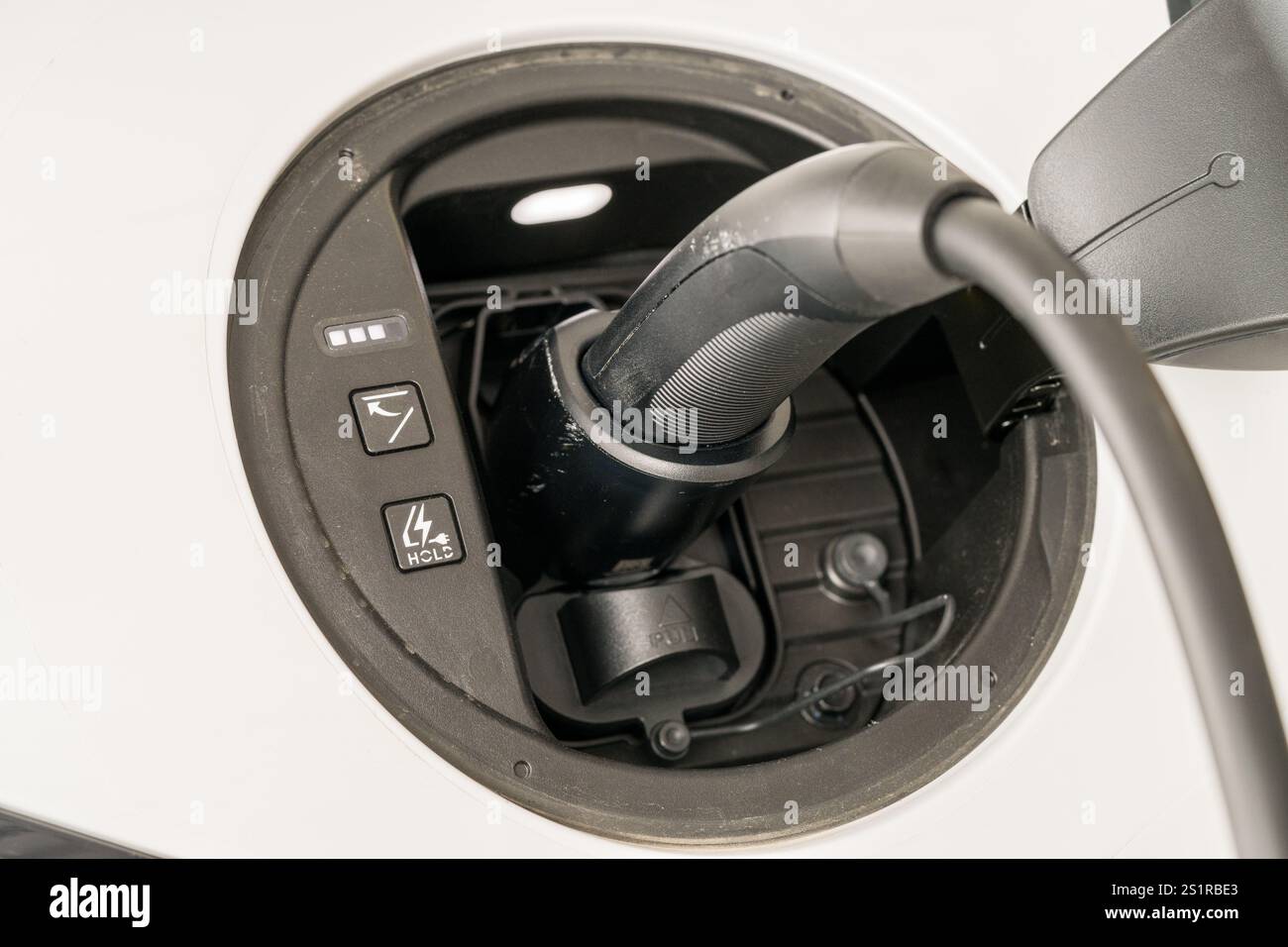
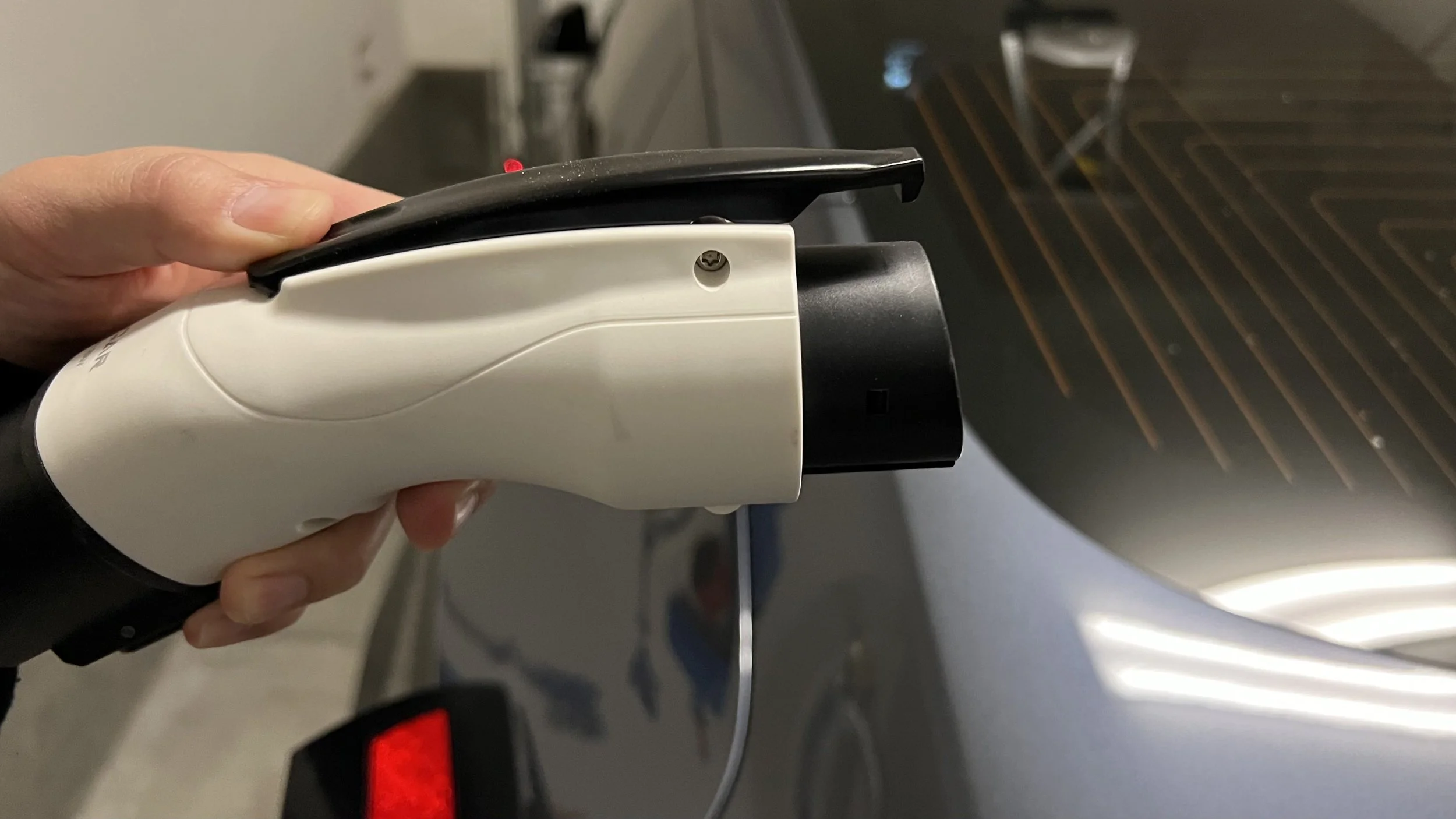
J1772 has been around for ages, at least in EV terms. It's the standard for level 2 AC charging on pretty much every non-Tesla electric car in North America. The plug is round on the end with five pins, and there's a handle with a release button that you press to unlock it from the car.
I find it pretty sturdy. It handles up to around 19 kW on a good home setup, which means a full charge overnight for most batteries. Public level 2 stations almost always have J1772 cables, so if your car isn't a Tesla, this is what you'll use most days. The latch mechanism is nice too, it keeps things secure even if someone trips over the cable or something.
One time with my Leaf, I forgot to unlatch it properly and yanked a bit too hard. Nothing broke, but I felt dumb. Since then, I always press that button first. It's little things like that you learn. Overall, J1772 is reliable for everyday charging, even if the handle feels a tad big in your hand sometimes.
What Sets NACS Apart as a Charging Option
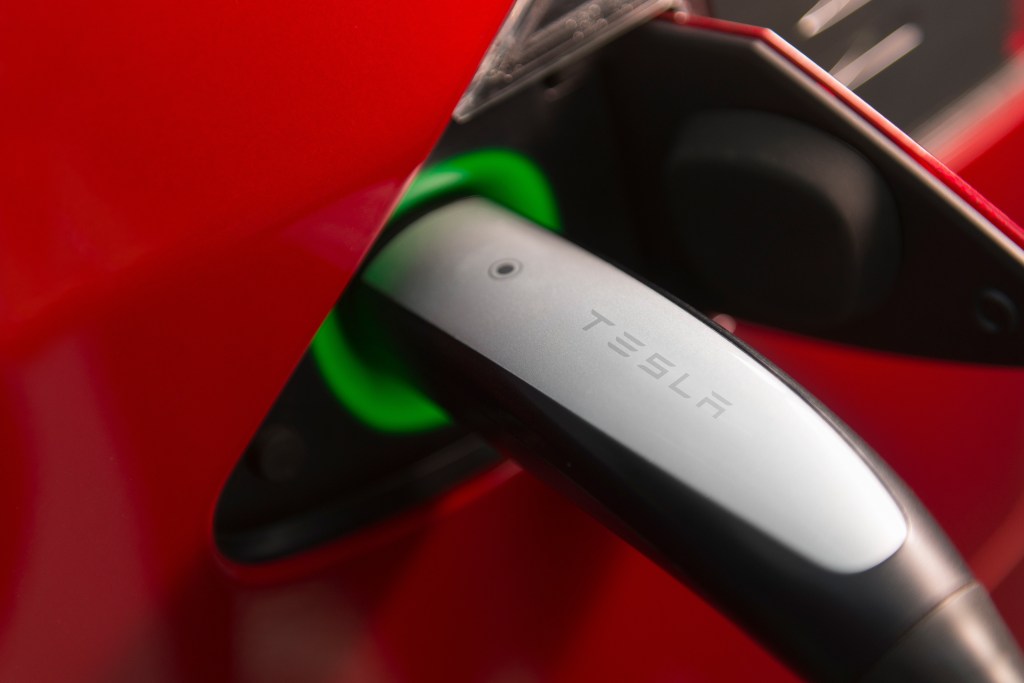
NACS is what Tesla came up with, originally just their proprietary plug, but now it's the North American Charging Standard that everyone is moving toward. The connector is smaller, slimmer, no big latch button on top. It just slides in smoothly and locks electronically.
To me, the best part is it handles both AC and DC through the same port. No separate flaps or extra pins. At a Supercharger, you get super fast speeds, over 250 kW easy, and at home or destination chargers, it does level 2 just fine. Actually, when I borrowed that Tesla Model 3 for a trip up the coast, plugging in felt almost elegant compared to the bulkier ones I was used to. Smaller cable, less hassle carrying it around if you have a mobile charger.
More car makers are adopting NACS now, so in a few years this might be the main one everywhere. I like how simple it feels, though older Teslas still dominate the Supercharger network for the fastest speeds.
Breaking Down the CCS Charging System
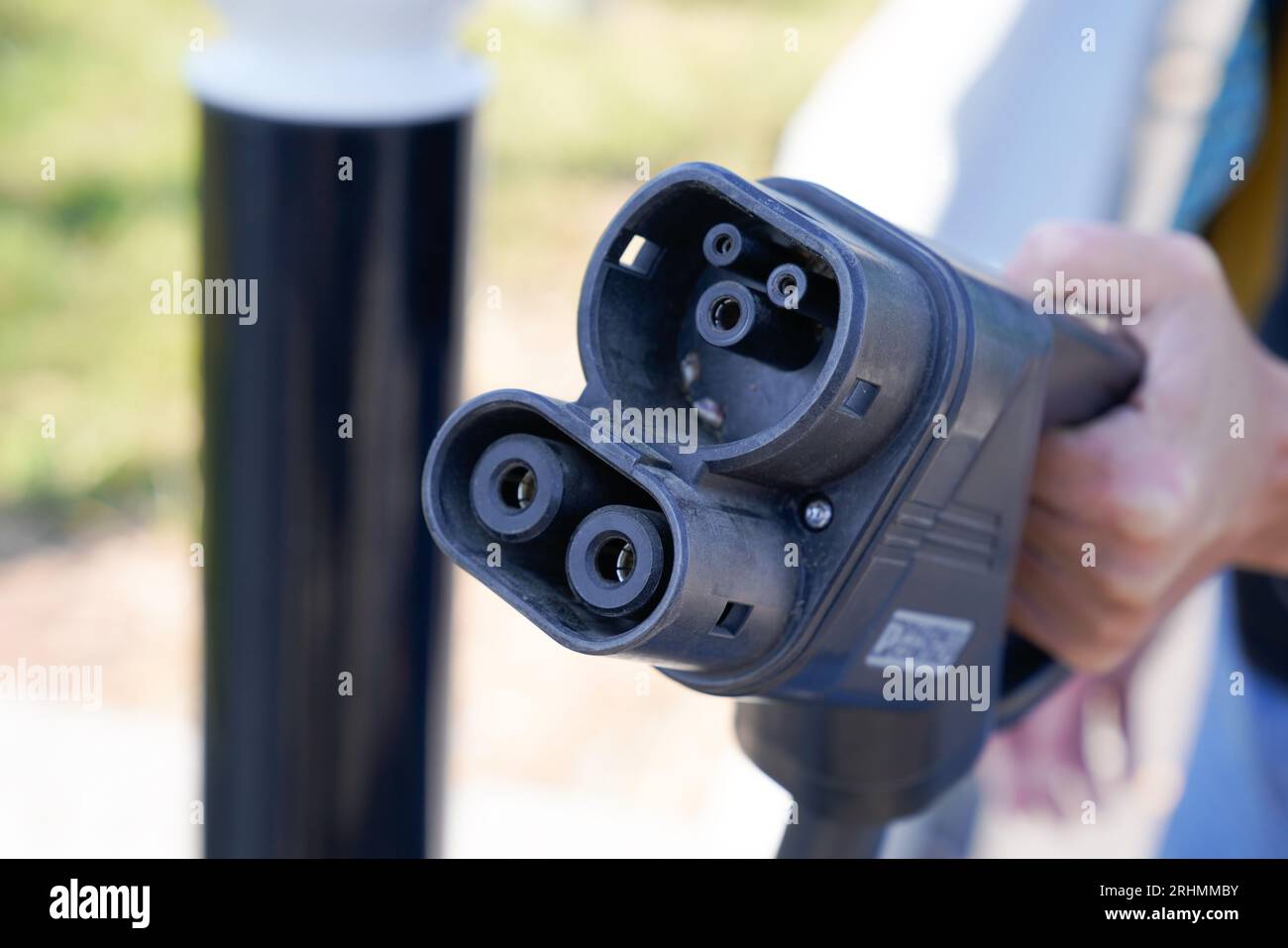
CCS, or Combined Charging System, is basically J1772 on the top half with two big DC pins added below. That's what lets it do really fast charging. Most newer non-Tesla EVs use CCS for DC, like Ford, GM, VW, Rivian, you name it.
The plug is definitely the biggest of the three. It has to be, to handle those high power levels, up to 350 kW or more at the best stations. That can add hundreds of miles in under half an hour. I find CCS great when you're on a highway trip and need a quick top-up. The stations are popping up more, networks like Electrify America or EVgo usually have them.
One summer I took a Mach-E on a road trip, and relying on CCS worked out fine, though sometimes the stations were crowded. The plug locks in solidly, and the car tells you when it's secure. It's a bit heavier to handle than the others, but you get used to it quick.
How J1772, NACS, and CCS Stack Up Against Each Other
So how do these three compare when you put them side by side. Here's a quick table I threw together based on what I've seen driving different cars.
| Aspect | J1772 | NACS | CCS |
| Main Use | Level 2 AC charging | AC and DC (Supercharging) | Level 2 AC plus fast DC |
| Max Power | About 19 kW AC | Over 250 kW DC | Up to 350+ kW DC |
| Size and Feel | Bulky handle, mechanical latch | Small, sleek, light | Largest, heavy with DC pins |
| Common On | Most non-Tesla EVs | Tesla and new adopters | Ford, GM, VW, others |
| Availability | Everywhere for level 2 | Growing fast, best network now | Increasing DC stations |
Adapters exist too, which saved me once when I needed to charge at a Tesla destination spot with my old Bolt. I had this little J1772 to NACS adapter in the trunk, plugged it in, and it worked, though slower than native. Stuff like that makes mixing them less of a headache.
In the end, understanding J1772, NACS, and CCS just helps you plan better when you're out driving an electric car. Check what your EV uses, maybe keep an adapter handy if you switch cars a lot, and you'll be fine. The whole charging thing is getting simpler every year anyway.