
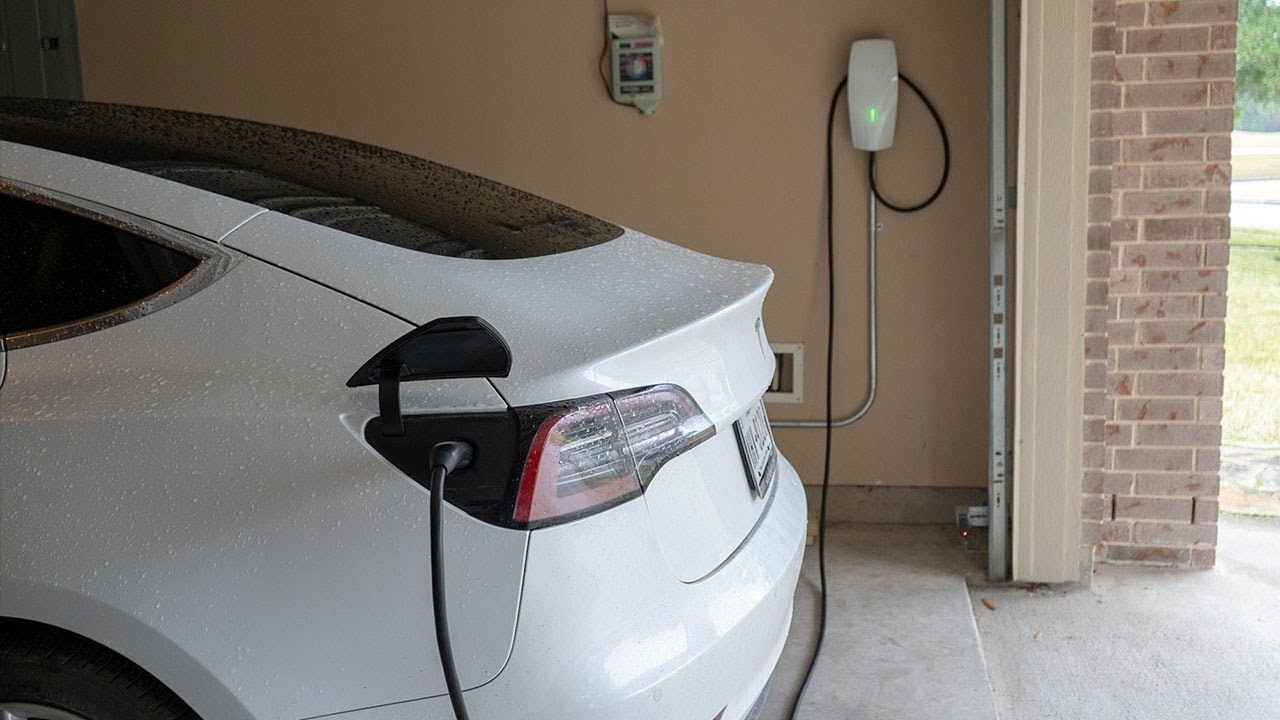
Man, getting my first Tesla a couple years back was exciting, but then I hit that moment where I realized I needed a proper home charger. I was plugging into the regular outlet at first, which took forever, and I thought, okay, time to upgrade. I ended up looking hard at the Tesla Wall Connector and the JuiceBox, because everyone kept mentioning those two. Actually, I almost went with the JuiceBox since a buddy of mine swore by it for his older EV. But I stuck with the Tesla one, and honestly, most days I'm glad I did.
It wasn't a quick decision though. I spent weekends reading forums and watching videos, trying to figure out which would fit my routine better. I drive a lot for work, so fast charging at home matters. Plus, I wanted something simple that just works with my car without extra hassle. If you're in the same spot, wondering about Tesla Wall Connector vs JuiceBox for your Tesla, here's what I figured out from using one and hearing about the other.
Charging Speed and Power: Pretty Much a Tie
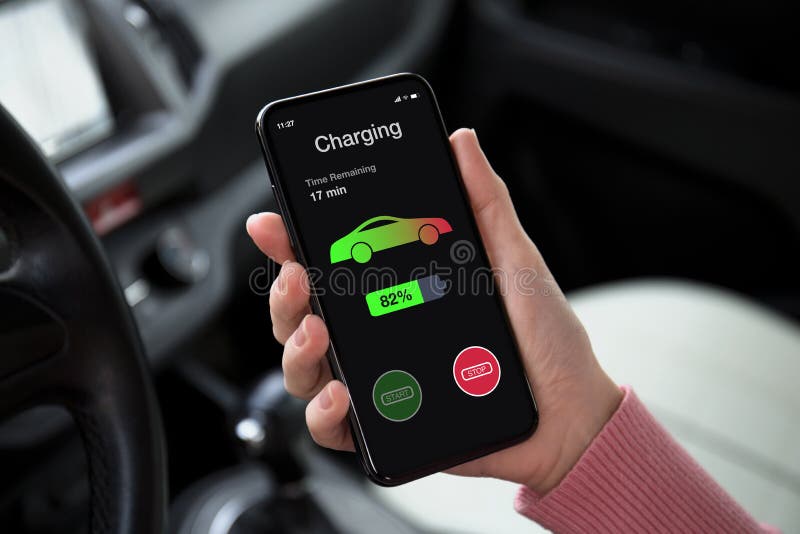
Both the Tesla Wall Connector and the JuiceBox 48 can push up to 48 amps, which means about 11.5 kW and roughly 40-44 miles of range per hour on a Tesla, depending on the model. I get around 42 miles per hour on my Model Y with the Wall Connector. It's fast enough that if I plug in when I get home around 6, by morning it's full no problem.
To me, the speed feels the same day to day. My friend with the JuiceBox says he gets similar numbers, maybe a tiny bit less sometimes because of how the adapter works with Tesla cars. But honestly, unless you're tracking every minute, you won't notice. The real difference shows up when your panel can't handle full 48 amps – both let you dial it down, which saved me when my electrician said my setup could only do 40 safely at first.
I remember one long road trip where I came home with like 10% left. Plugged into the Wall Connector and it was charging so quick I could hear the fans kick on strong. Felt good knowing it was pulling max power without me fiddling with settings.
Smart Features and App Control: Tesla Feels More Seamless
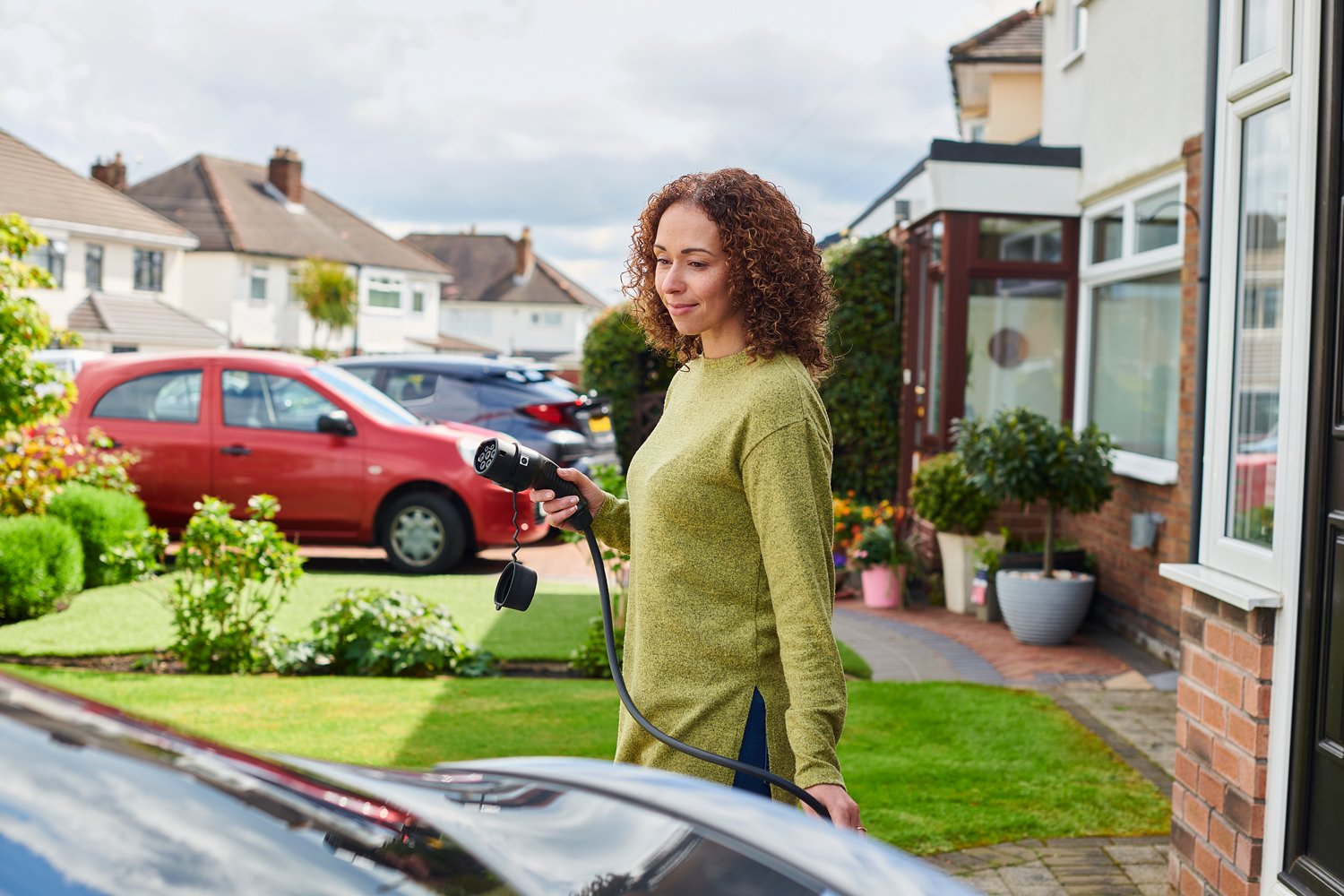
The apps are where I started leaning toward the Tesla Wall Connector. It uses the main Tesla app, which I already have open all the time anyway. I can schedule charging for off-peak hours, check history, or limit current right there next to my driving stats. It's all in one place, no extra login.
JuiceBox has its own app that's supposed to be really good too – my buddy shows me how he sets detailed schedules and tracks costs better. It has voice control with Alexa and some utility rebates tied to it in certain areas. But for me, having to switch apps felt like one more thing. Plus, the Wall Connector integrates with the car for stuff like preconditioning while charging, which the JuiceBox doesn't do as smoothly with Teslas.
One time last winter, I scheduled the car to warm up while plugged in overnight. Woke up to a toasty cabin and full battery without thinking twice. Little things like that add up and make the Tesla setup feel more polished.
Installation and Compatibility with Your Tesla
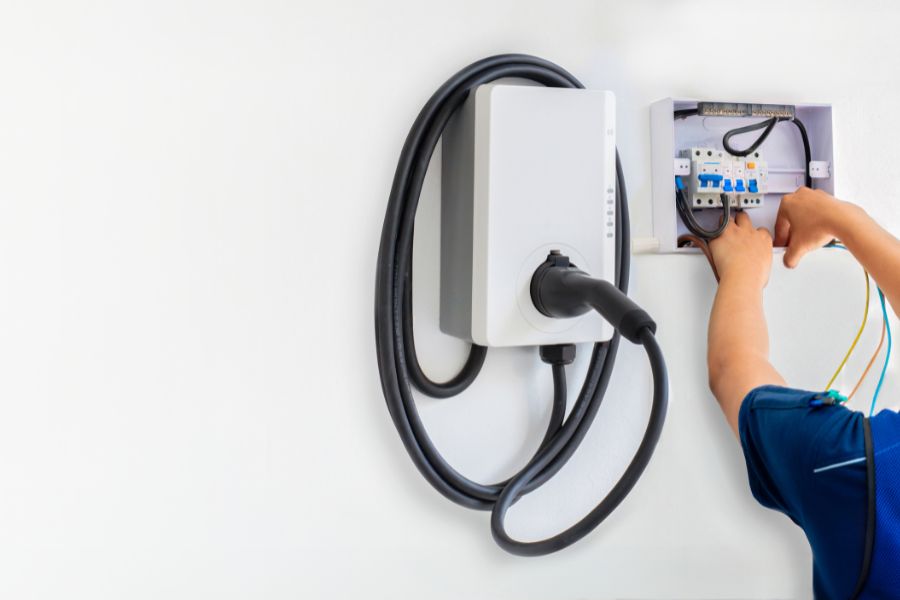
Installation was similar for both – you need an electrician either way, hardwired to your panel. Cost me about the same, around $800 for the wiring run. The Tesla Wall Connector is slimmer and lighter, which my electrician liked because it mounted easier on the garage wall.
Biggest difference is the plug. Tesla Wall Connector has the native Tesla connector, so it plugs straight in, no adapter dangling. JuiceBox uses J1772, so with a Tesla you need the adapter that came with the car or buy one. It's not a huge deal, but after a long day I just want to grab the cable and go, not fish for an adapter.
Actually, that happened once when I borrowed my friend's JuiceBox on a trip – forgot the adapter at home and had to find a public station instead. Small annoyance, but it stuck with me. If you only have Teslas, the direct plug on the Wall Connector wins for convenience.
Price and Which One Gives Better Value
Prices float a bit, but right now the Tesla Wall Connector runs around $500-600, and the JuiceBox 48 is similar, sometimes $50-100 more or less depending on sales. Both have good warranties – three or four years.
| Tesla Wall Connector | JuiceBox 48 | |
| Max Power | 48 amps / 11.5 kW | 48 amps / 11.5 kW |
| Connector | Native Tesla (or universal version) | J1772 (adapter needed for Tesla) |
| App | Tesla app (integrated) | Dedicated JuiceBox app |
| Price range | $500-600 | $500-700 |
| Best for | Tesla-only households | Mixed EVs or rebate hunting |
To me, if you drive a Tesla and plan to keep it that way, the Wall Connector edges out on everyday ease and integration. The JuiceBox makes sense if you might add a non-Tesla EV later or qualify for specific utility deals.
In the end, both are solid level 2 chargers that will serve you well. I went with the Tesla Wall Connector because it just fits my life better – no adapter, everything in the Tesla app, and it looks clean on the wall. If you're trying to decide between Tesla Wall Connector and JuiceBox, think about your cars and how much you care about that seamless feel. Either way, you'll be way happier than slow-charging off the wall outlet like I did at first.