
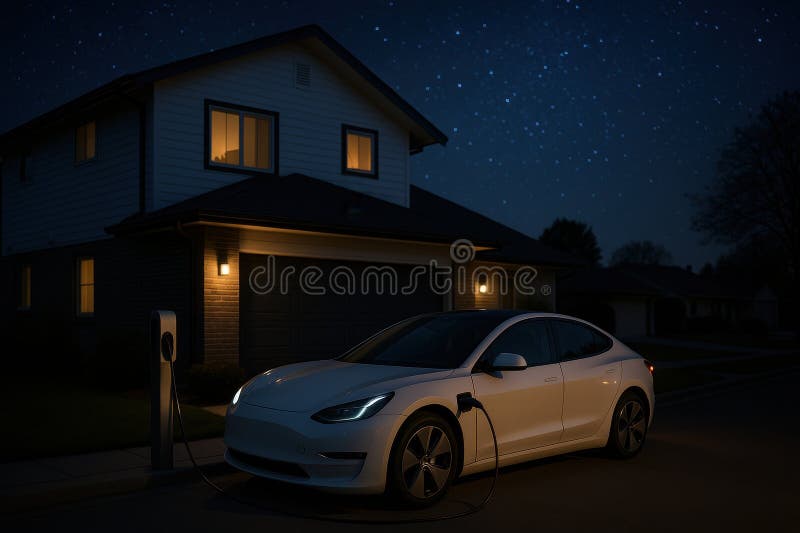
Last year when I got my first electric car, I was excited about everything except the charging part. I just plugged it in whenever I got home, usually around six or seven in the evening, right when everyone else is cooking dinner and turning on lights. The bill came and, man, it stung a bit more than I expected. Actually, it was way higher than my old gas costs some months. I started poking around online and realized my utility has these off-peak hours where electricity is dirt cheap at night. I thought, why not give it a try? Shifting most of my charging to after midnight ended up cutting my charging costs almost in half. To me, that's the real game-changer with owning an EV.
It wasn't some huge effort either. Once I figured out the schedule and set the car to start later, it just happened on its own. I still wake up to a full battery, but I'm paying a fraction of what I used to during peak times. If you're dealing with rising power bills or just got an electric vehicle, using off-peak hours for smart charging is probably the easiest way to keep more money in your pocket.
What off-peak hours actually are and why they help so much
Basically, utilities charge different rates depending on when you use power. Daytime and early evening, when demand is high, rates go up. Late night and early morning, when most people are sleeping, they drop the price to encourage use then. For EV owners, this is huge because charging takes a lot of electricity, and doing it off-peak can make it way cheaper.
I remember talking to my neighbor about it – he has solar panels and still pays attention to rates. He said his off-peak window starts at 10 pm and goes until 6 am, sometimes even cheaper on weekends. My plan is similar, though the exact times vary by where you live. The difference can be dramatic. In my case, peak rates were around 35 cents per kWh, but off-peak dropped to about 12 cents. That's like paying a third for the same electricity.
Here's a quick example of what that looked like for me one month when I charged about 450 kWh:
| Peak rate charging | Off-peak charging | |
| Rate per kWh | $0.35 | $0.12 |
| Total kWh | 450 | 450 |
| Monthly cost | $157.50 | $54 |
| Savings | — | $103.50 (about 66% less) |
Even if your spread isn't quite that big, most people see at least 40% lower charging costs by shifting to off-peak hours. It adds up fast.
Finding your own off-peak schedule isn't hard
The first thing I did was go to my utility's website and search for "time of use rates" or "off-peak hours." Most companies have a whole page explaining it, sometimes with a little chart showing the times and prices. If it's confusing, just call them – the person I spoke to walked me through it in five minutes.
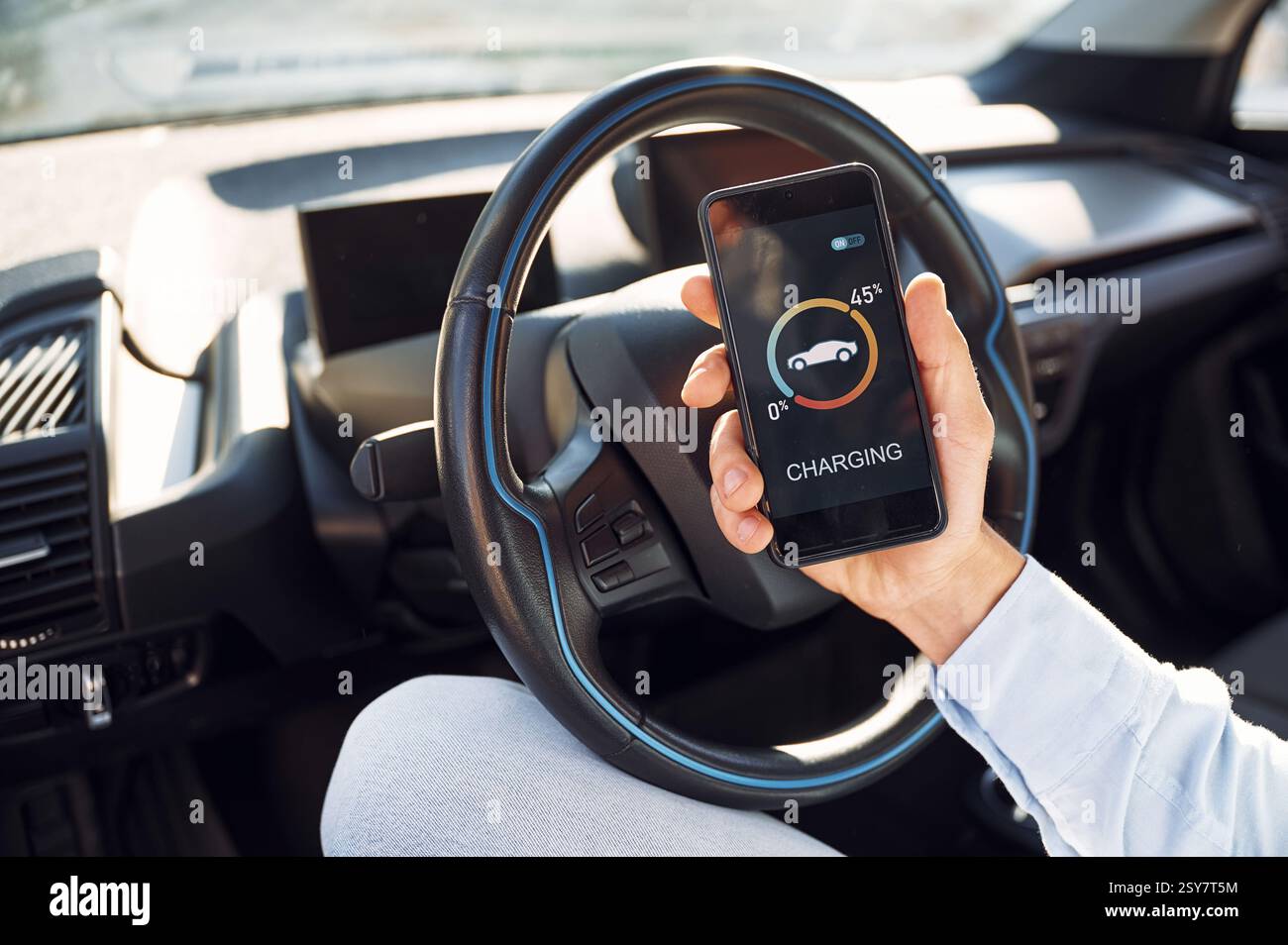
Some places switch to cheaper rates after 9 pm, others after midnight. Weekends are often all off-peak. A friend of mine in California has super off-peak from midnight to 6 am that's ridiculously cheap. Once you know your windows, everything else is easy.
Setting up smart charging to run automatically at night
Most modern EVs and home chargers let you schedule when charging starts. On my car, I just open the app, go to charging settings, and tell it to start at 11 pm and finish by morning. The car waits until the cheap hours hit, then pulls power quietly while I sleep.
If you have a basic Level 2 charger without smart features, you can often set a timer on the car itself or even use a smart plug that turns on at a certain time. I did that for a while before upgrading. Either way, you plug in when you get home like normal, and the schedule does the rest.
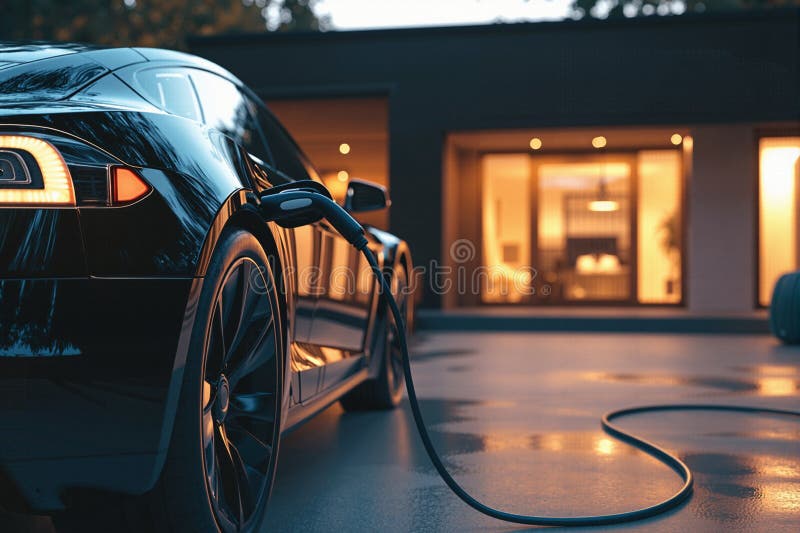
Actually, the first night I tried it, I kept checking the app like an idiot, worried it wouldn't work. But sure enough, nothing happened until 11, then it kicked in. Waking up to a full battery and knowing I paid the low rate felt pretty good.
The real savings I've seen after a year of off-peak charging
After doing this consistently, my charging costs dropped about 40-50% compared to when I was charging anytime. Last summer when I was driving more, the difference was even bigger. One month I compared bills side by side – same amount of driving, but the off-peak month was $90 cheaper just on charging.
To me, that's money I can actually feel. It's not some abstract saving; it's fewer groceries I have to skip or an extra dinner out. And the car is happier too – slower overnight charging is gentler on the battery anyway.
A couple extra things that helped me save more
Beyond the schedule, I started pre-cooling the car in the afternoon while still plugged in during cheaper midday rates sometimes. Also, on weekends when rates are low all day, I top up then if I know I'll need it.

If your utility offers an EV-specific plan, look into that too. Mine has one that's even cheaper overnight. Little tweaks like these add up.
All in all, using off-peak hours for smart charging turned what felt like a pricey part of EV ownership into something I barely think about anymore. If you have an electric car or are thinking about one, check your utility's rates and set up a schedule. You'll probably be surprised how much you save, just like I was. It's one of those small changes that makes a real difference on your power bills every month.