
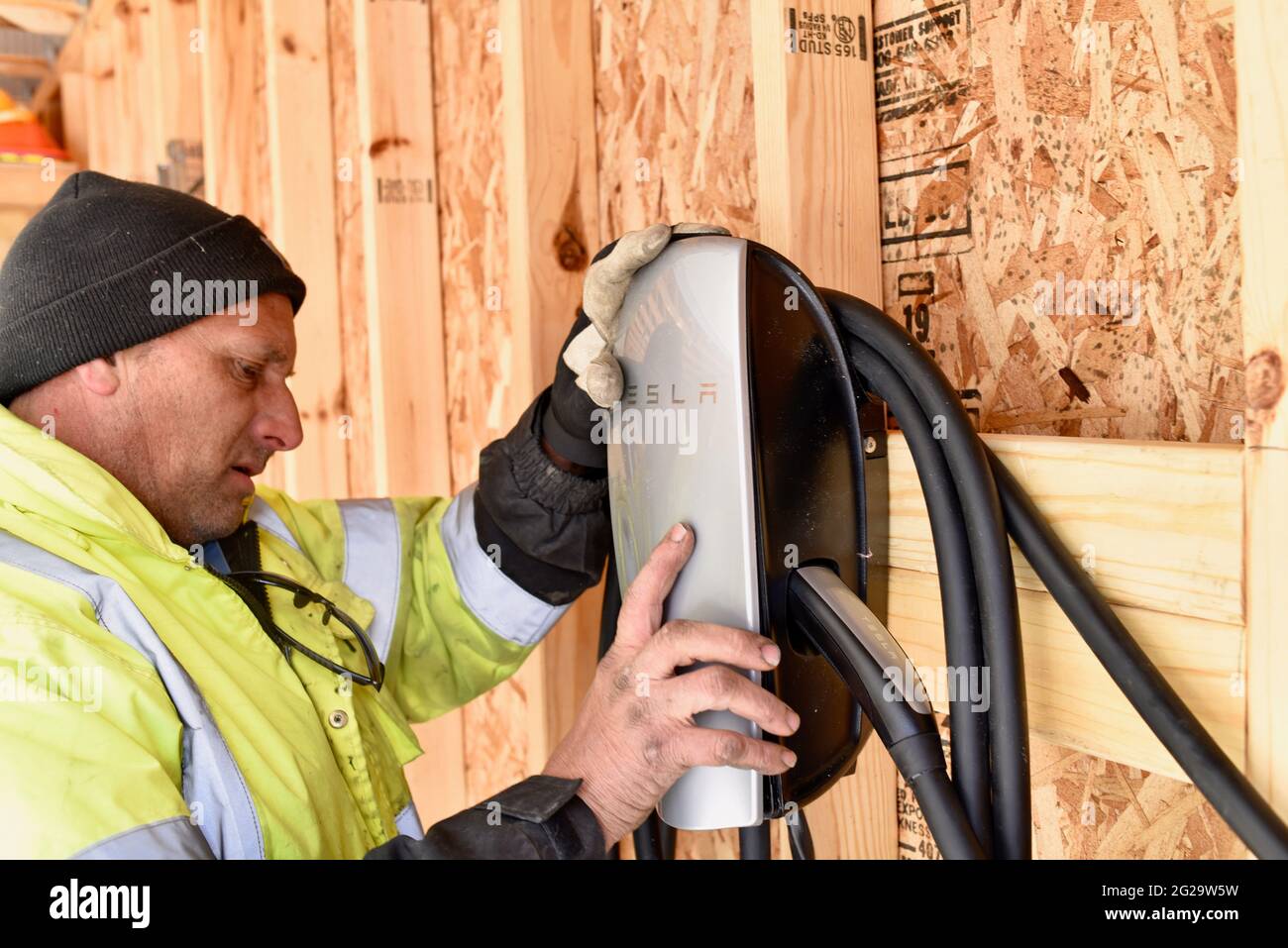
Last year I finally pulled the trigger and got my first electric car. Man, I love driving it, so quiet and smooth. But then came the charging thing. The slow plug that came with it was taking forever, like 12 hours for a decent charge. I started looking into a proper Level 2 charger for the garage. Quotes from electricians were coming in around two grand, sometimes more. I thought, wait a minute, how hard can this be? I've swapped outlets before, run some wires. Actually, I spent a whole weekend watching YouTube videos on DIY EV charger installation. Looked doable, and I figured I could save a bunch of money.
To me, that's the big pull for a lot of us. The chargers themselves aren't crazy expensive anymore, and the instructions seem straightforward. Plug it into a 240-volt circuit, run some thick wire, mount it on the wall. Done. I know a couple guys who swear they did it themselves with no issues. But then I started digging a little deeper, talking to people who actually know electricity, and yeah... it got me rethinking the whole thing.
Why DIY EV Charger Installation Feels Tempting at First
Honestly, the idea sticks because it seems like just a beefed-up dryer outlet. A lot of homes already have 240-volt lines for dryers or stoves, so you think you can just tap into that. Plus, the charger comes with a manual, and there are forums full of people posting their setups. I find that when you're excited about a new EV, you want everything ready fast, and waiting for an electrician feels like a drag.
I almost went for it. Ordered a 48-amp charger online, had it sitting in the garage for weeks. But then my neighbor, who's an actual electrician on the side, stopped by and took one look at my panel. He shook his head and said my setup was pretty old, probably couldn't handle the extra load without some upgrades. That got me pausing. Still, I kept reading stories online about people doing DIY EV charger installation just fine. It feels empowering, you know? Like you're in control of your own home charging setup.
Safety Risks You Don't See Coming with Home EV Charging
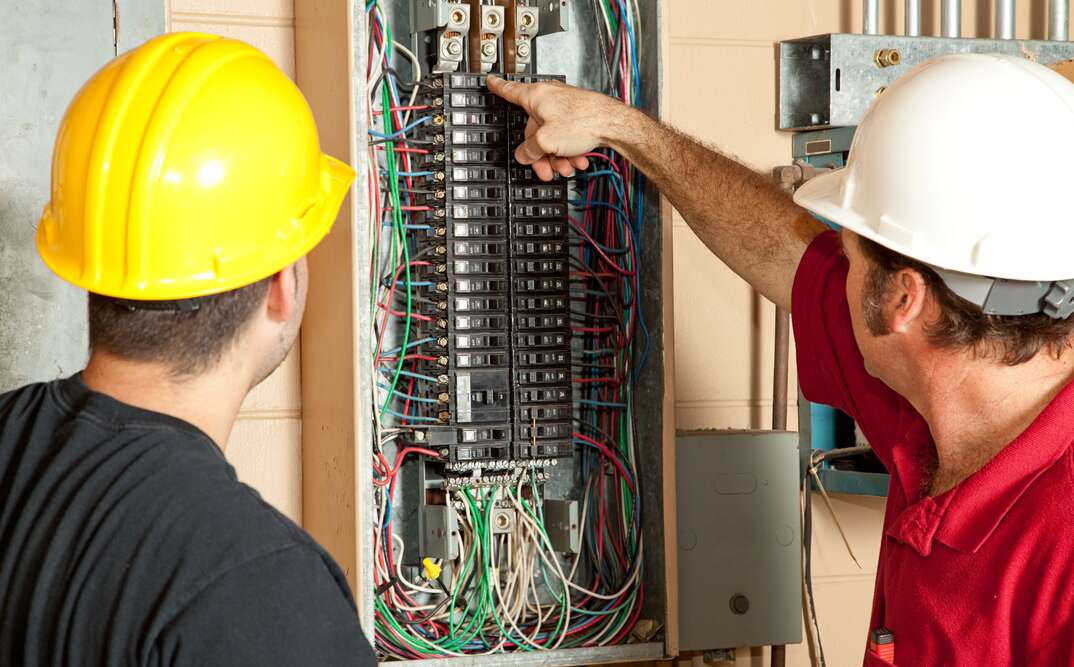
Okay, this is the part that really made me stop. Electricity isn't something that gives second chances. A Level 2 charger pulls a ton of power, like 30-50 amps continuous. If your panel can't handle it, or if the wiring is wrong, things overheat. And overheating means potential fire.
I remember a guy in my EV owners group who tried DIY. He thought his breaker was fine, but a few months later his garage outlet started getting warm. Luckily he caught it early, but it scared him enough to call a pro. Actually, fires from bad EV charger installs aren't super common, but they happen, and insurance companies hate that stuff.
| Overloaded circuits | Your panel might look okay, but adding constant high draw can trip breakers or worse |
| Wrong wire gauge | Too thin and it heats up over time, melting insulation |
| Bad grounding | Big shock risk, especially in a damp garage |
| Loose connections | They spark and burn out over months |
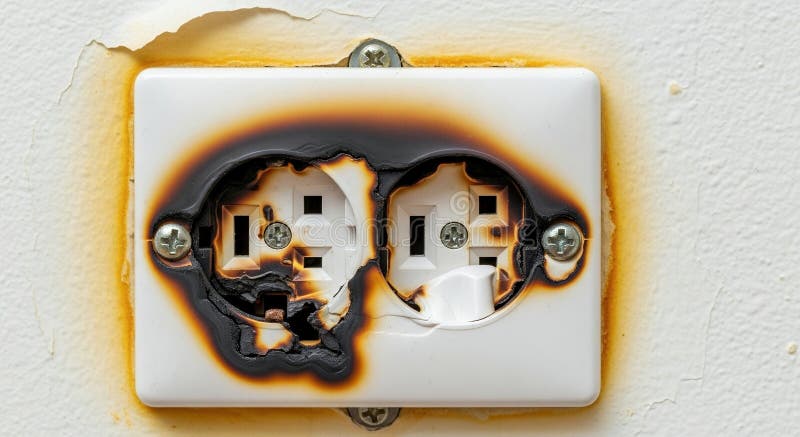
To me, the scariest is how problems can hide for a while. Everything works fine at first, then one day something fails when you're not around.
Legal Requirements Most People Miss for EV Chargers
Turns out there's more red tape than I expected. In most places, installing a hardwired EV charger counts as electrical work that needs a permit. Yeah, even in your own garage. The city or county wants an inspection to make sure it meets code.
If you skip that, and something goes wrong, your homeowners insurance might say nope to a claim. I looked it up for my area, and sure enough, anything over a certain amperage needs a licensed electrician to pull the permit. Some utility companies even have rebates, but only if it's professionally installed and inspected.
Actually, my brother-in-law did his own a few years back in another state. Worked great for him, but when he sold the house, the buyer’s inspector flagged it. Ended up having to pay to get it redone properly. Small hassle turned into a headache.
What Happened When My Friend Tried DIY EV Charger Installation
This one hits close. My buddy Mike got his EV around the same time as me. He's pretty handy, fixed his own dishwasher, that kind of thing. He decided to go full DIY on the charger. Ran new wire from the panel, everything looked clean.
First few weeks were great. Fast charging, saved money. Then one night the breaker started tripping randomly. He tightened some connections, seemed okay. But then he noticed a faint burning smell in the garage. Turned out one connection was loose and arcing. He shut it down and called an electrician the next day. Cost him more to fix than if he'd just hired someone from the start.
Mike laughs about it now, but he admits he got lucky. That could have been bad. Hearing his story sealed it for me, no way was I risking that in my own house.
When Professional Installation Just Makes More Sense
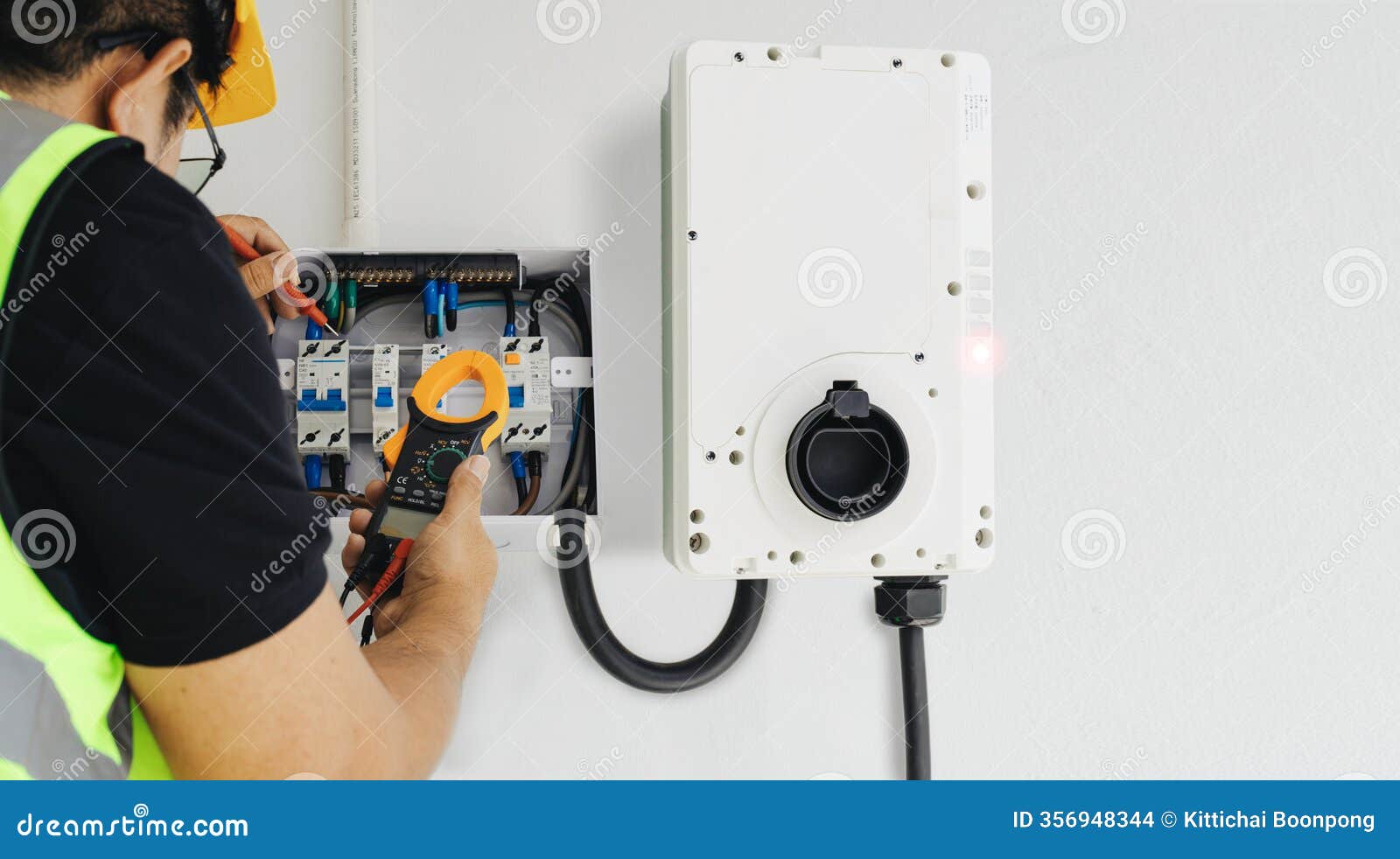
After all that, I bit the bullet and hired someone. Yeah, it cost more upfront, but the guy checked my whole panel, upgraded a couple things, pulled the permit, everything. Now I charge overnight with zero worry. Plus it added value to the house, apparently buyers like seeing proper home EV charging setup.
I find the peace of mind worth it. Pros see stuff we miss, like whether your main service can really handle the load long-term. They also know local codes inside out. And most give a warranty on the work.
Looking back, DIY EV charger installation can work for some people with the right setup and experience. But for most of us? Probably not worth the gamble on safety risks and legal headaches.
If you're thinking about home EV charger installation, at least get a couple quotes and have someone look at your panel first. Might save you a lot of trouble down the road. Drive safe out there.