
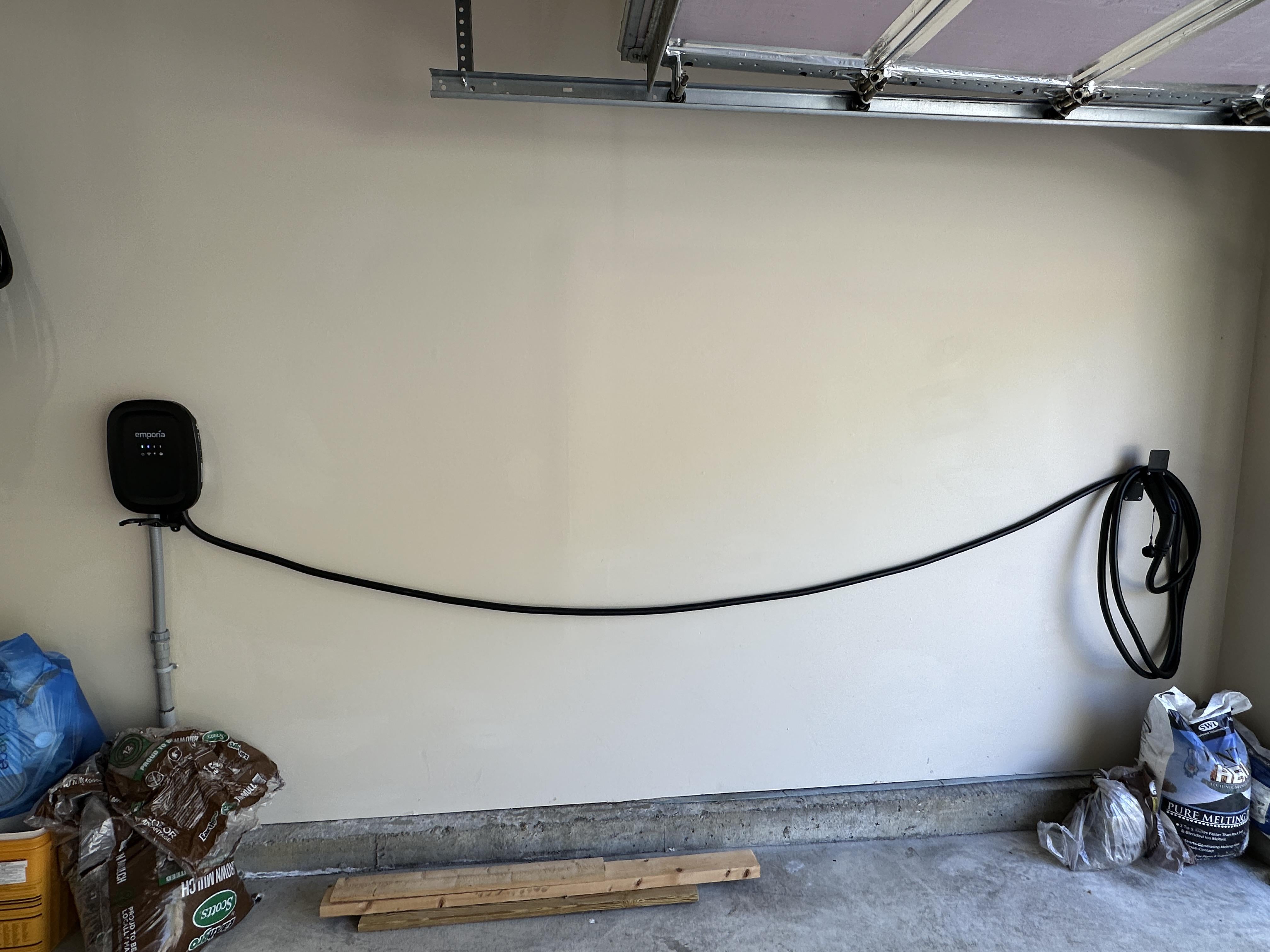
A couple years back, I finally pulled the trigger on an electric car. I was excited, you know, all that instant torque and no more gas stations. But then reality hit — how was I actually going to charge this thing at home? I spent weeks reading forums and watching videos, trying to figure out hardwired vs plug-in EV chargers. To me, it felt like one of those decisions that could either be perfect or a total headache down the road.
I started with a plug-in setup because my garage already had a 240-volt outlet from an old dryer. Seemed easy enough. Just buy the charger, plug it in, done. And honestly, it worked fine at first. But after a while, I started noticing little things, like the cord getting in the way or wondering if the outlet was handling the load okay. Eventually, when we did some house updates, I switched to hardwired. Night and day difference for me. Anyway, if you're in the same boat, wondering about hardwired vs plug-in EV chargers, here's what I've learned from going through it myself.
Hardwired EV Chargers: The Built-In Option
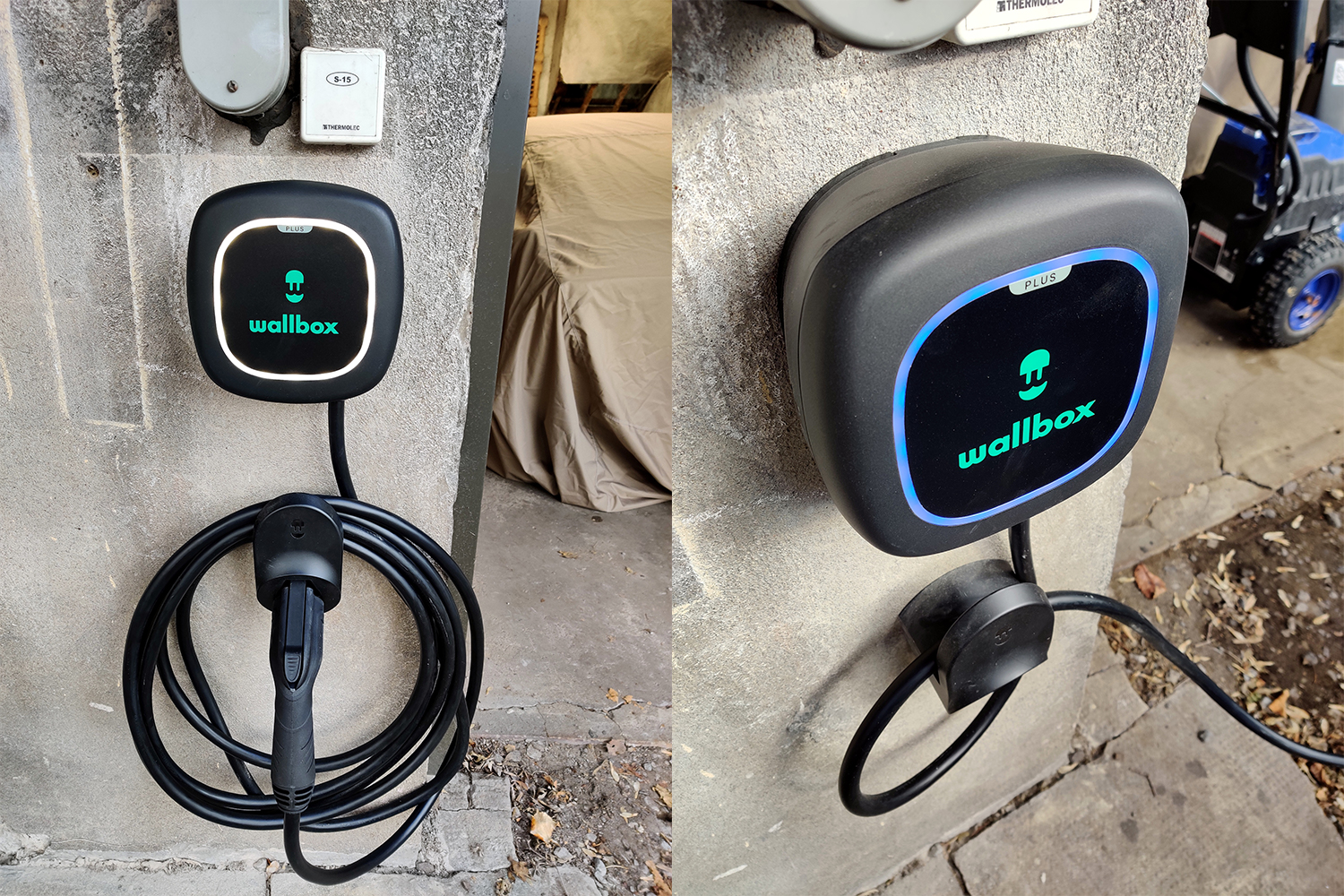
Hardwired chargers get permanently connected straight to your electrical panel. No big plug on the wall, just the unit mounted there and wired in. Actually, that's what I have now, and I find it so much cleaner looking. The cable hangs nice and tidy, nothing sticking out that you could trip over.
The big win for me is speed. Mine pulls 48 amps, so my car fills up way faster overnight than it did before. Some plug-in ones top out around 40 amps because of outlet limits. Fewer connections also mean fewer things that can go wrong over time — no plug getting loose or worn. I remember reading people worrying about outlets overheating with constant high draw, and yeah, that was in the back of my mind with my old setup.
On the flip side, getting it installed wasn't cheap or quick. We needed an electrician, permits in some places, and luckily my panel had space, but not everyone is that lucky. If your panel is old or full, you might need an upgrade, and that adds up fast. Still, once it's in, it's set and forget. To me, hardwired feels like the grown-up choice if you're staying put for a while.
Plug-in EV Chargers: Easy and Movable
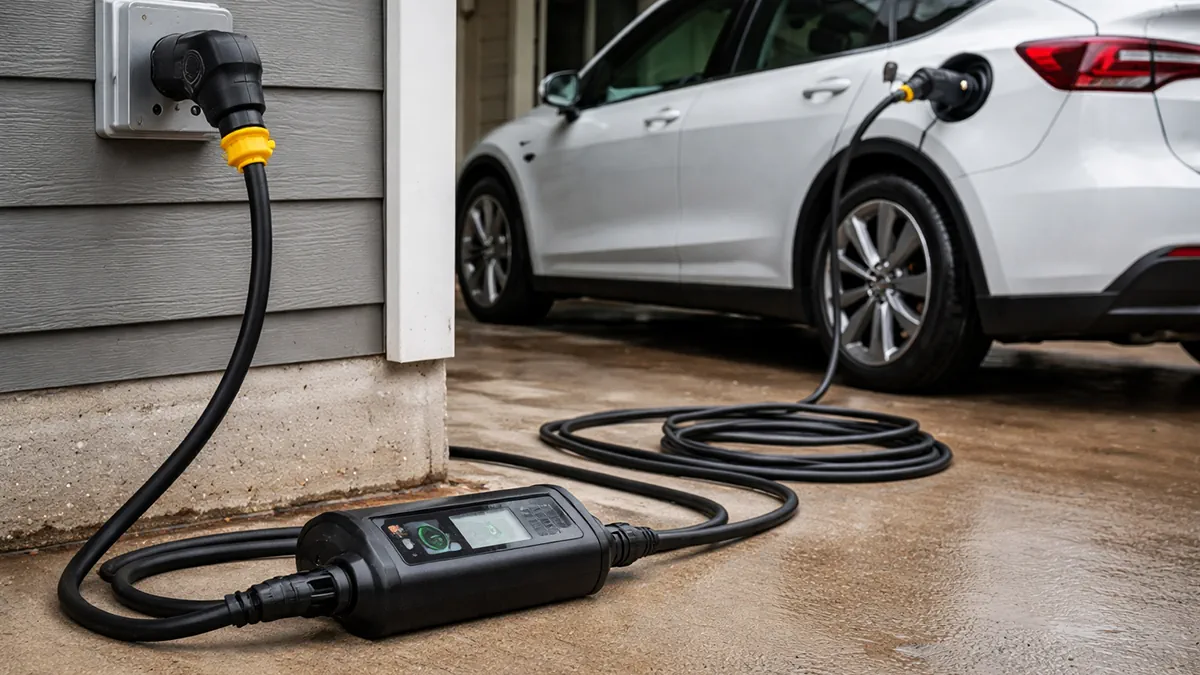
Plug-in chargers are basically the portable ones. They come with a big plug that goes into a 240-volt outlet, like the kind for dryers or stoves. That's what I had first, and honestly, it was super convenient to start with. If you already have the right outlet, you can literally set it up yourself in minutes.
The flexibility is huge. My buddy rents his place, and he loves that he can unplug his charger and take it if he moves. No leaving something behind or dealing with landlords. They're usually a bit cheaper upfront too, especially if you skip the full installation. I liked being able to move the unit around or even take it on a trip if I wanted.
But there are trade-offs. The charging is often slower, capped lower because of the outlet rating. And yeah, that cord and plug can look messy, plus you're relying on that outlet being in good shape. Mine worked okay, but I always had this nagging feeling about long-term wear. If you're not planning to stay forever or want to keep costs down, plug-in makes total sense though.
Installation and Costs: What It Really Takes
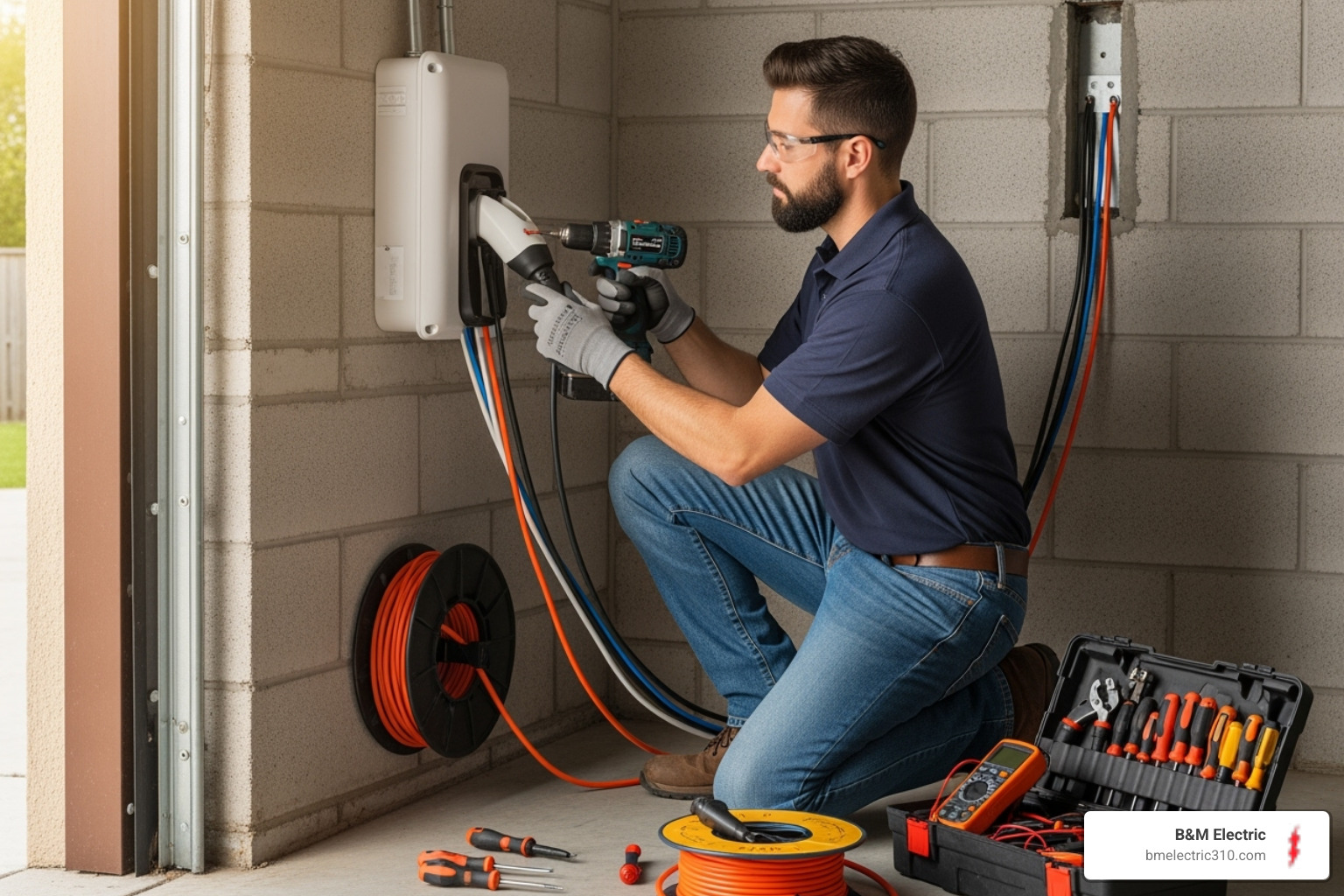
Installation is where these two really split. For plug-in, if you've got a suitable outlet close by, you're looking at almost nothing — maybe just hanging the unit. But if you need a new outlet, that's electrician time, running wire, maybe a new breaker. Still usually less than hardwired.
Hardwired almost always needs a pro. They run dedicated wiring from the panel, mount the unit, all that. Permits are common too. My switch cost a good chunk because we combined it with other work, but standalone it can run $1,000 to $3,000 easy, depending on your setup. Actually, I was surprised how much distance matters — if the panel is far from the garage, costs climb.
Here's a quick side-by-side of typical costs and effort I've seen:
| Hardwired EV Charger | Plug-in EV Charger | |
|---|---|---|
| Upfront Installation | $1,000–$3,000+ (plus possible panel upgrade) | $200–$1,000 (if outlet needed) |
| Charger Unit Price | $500–$1,200 | $400–$1,000 |
| Typical Max Speed | Up to 48–60 amps | Usually 32–40 amps |
| Portability | None — permanent | Easy to move |
| Permits Needed | Often yes | Sometimes no |
Numbers vary a lot by location and your house, but that's the general picture.
Long-Term Value of Hardwired vs Plug-in EV Chargers
Here's where I land after living with both. If you're in your house for the long haul, I find hardwired gives better long-term value. Faster charging saves time every day, it's more reliable, and yeah, it can even bump your home's resale a bit since it's a nice built-in feature.
With plug-in, you're paying less now and keeping options open. Great if you're renting or might move soon — my friend took his charger to two apartments already. But over years, the slightly slower speeds and potential outlet issues add up in little ways.
To me, actually, the peace of mind with hardwired wins out. No more wondering if everything's safe under constant load. I charge faster, the setup looks clean, and I don't think about it anymore. But it really depends on your situation.
If you're trying to decide between hardwired and plug-in EV chargers, think about how long you'll stay, your budget now, and how fast you want to charge. Talk to a couple electricians for quotes — that'll clear things up fast. Whatever you pick, home charging beats public stations any day. You'll figure out what feels right for you.