
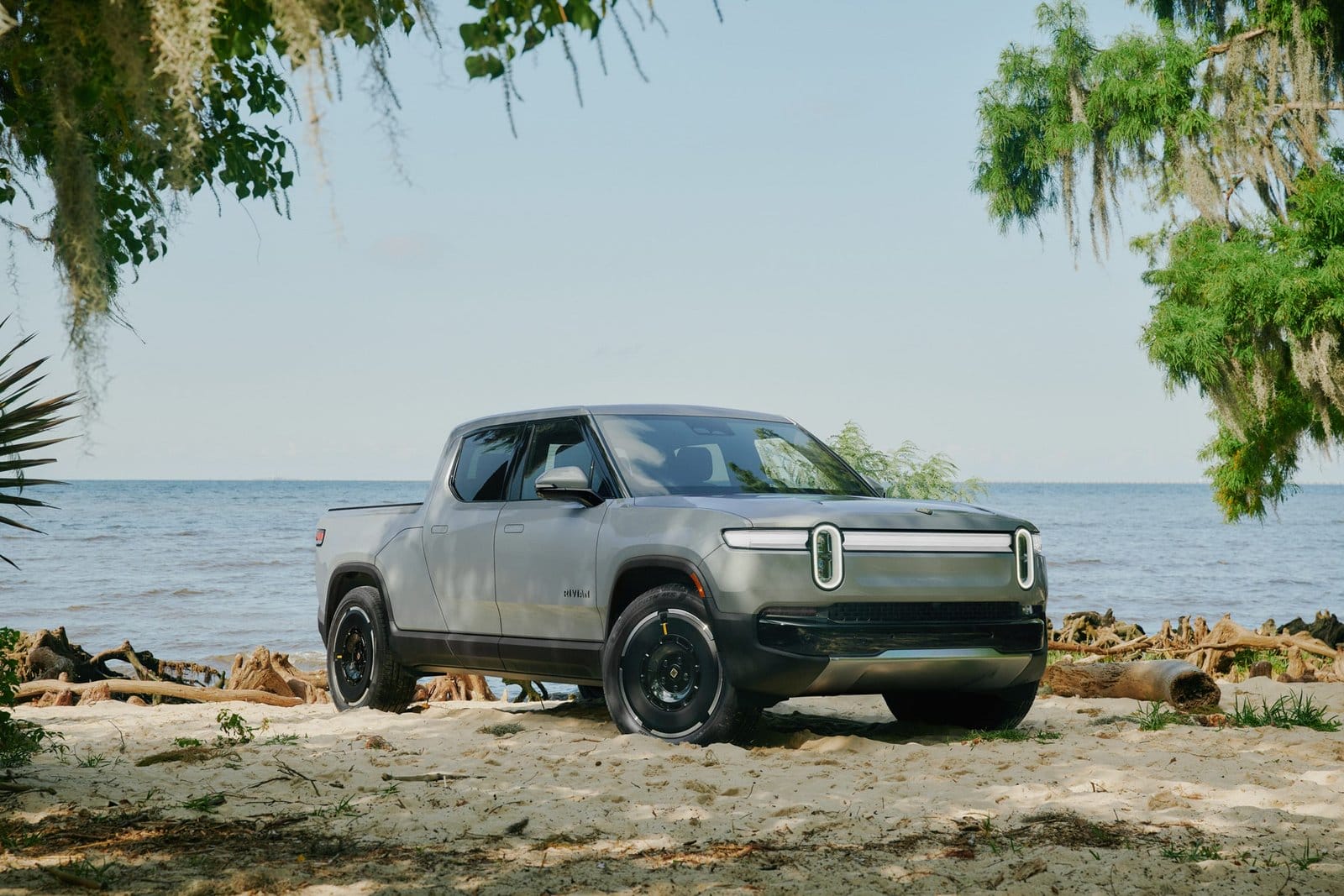
A couple years ago, I decided to sell my 2022 Tesla Model 3 right at the three-year mark. I'd put about 40,000 miles on it, mostly highway commuting and a few road trips. Honestly, I was a bit worried going in. Everyone kept talking about how EVs drop in value fast, and I figured I'd take a hit. But when I got the trade-in offer, I was surprised – it held up way better than I thought. That experience got me thinking a lot about EV resale value, especially over those first three years when depreciation hits hardest.
I've owned a few electric cars now, switched from gas back in 2019, and resale has become something I check before buying anything new. It's not just about the upfront price or charging at home. When you plan to flip it in a few years, how much you get back matters. Actually, for me, it's one of the bigger factors these days.
Why EV Resale Value Matters More Than You Might Think
To me, resale value feels like the hidden cost of owning an EV. Sure, you save on gas and maintenance, but if the car loses half its value in three years, that stings. Traditional gas cars depreciate too, but from what I've seen, many EVs lose value quicker early on – sometimes 40 to 60 percent in the first three years, depending on the model and market.
I remember when I first went electric, I didn't think much about it. My early Nissan Leaf was cheap to start with, but when I sold it after four years, ouch. It barely brought anything. That taught me quick. Now, with more options out there, some EVs hold their value much better after three years. Brand reputation plays a huge role, plus demand in the used market and how the battery tech ages. Things like software updates and charging speed keep certain models desirable longer.
Factors That Help Some Electric Cars Hold Value After 3 Years
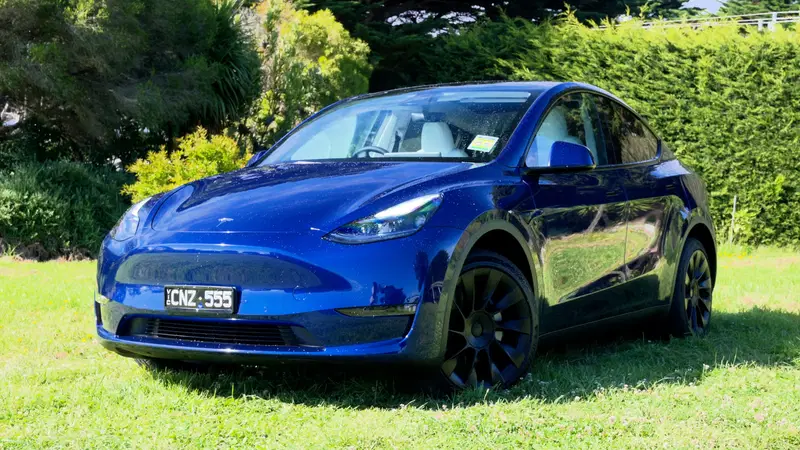
A few things stand out when I look at which EVs keep their price decently. First, popularity – models everyone wants used stay stronger. Tesla has that locked down because of the Supercharger network and constant updates. People buying used still get those perks.
Then there's build quality and brand cachet. Porsche, for example, even electric, feels premium, so buyers pay more on the secondhand market. Trucks and SUVs seem to hold up better too, maybe because families want practical electrics. Battery health matters a ton – cars with proven long-range packs and minimal degradation win out.
Market floods can hurt, though. When too many of one model hit the used lots, prices drop. I've noticed that with some luxury EVs. Supply and demand, right? Actually, right now in 2026, used EV prices are softening overall, but the standouts still command good money.
Top EVs That Hold Their Value Best After Three Years
From checking recent data and my own poking around on sales sites, a few keep coming up as winners for resale after three years. Tesla Model Y tops my list – it's everywhere, super practical, and demand stays high. Model 3 too, especially the newer ones.
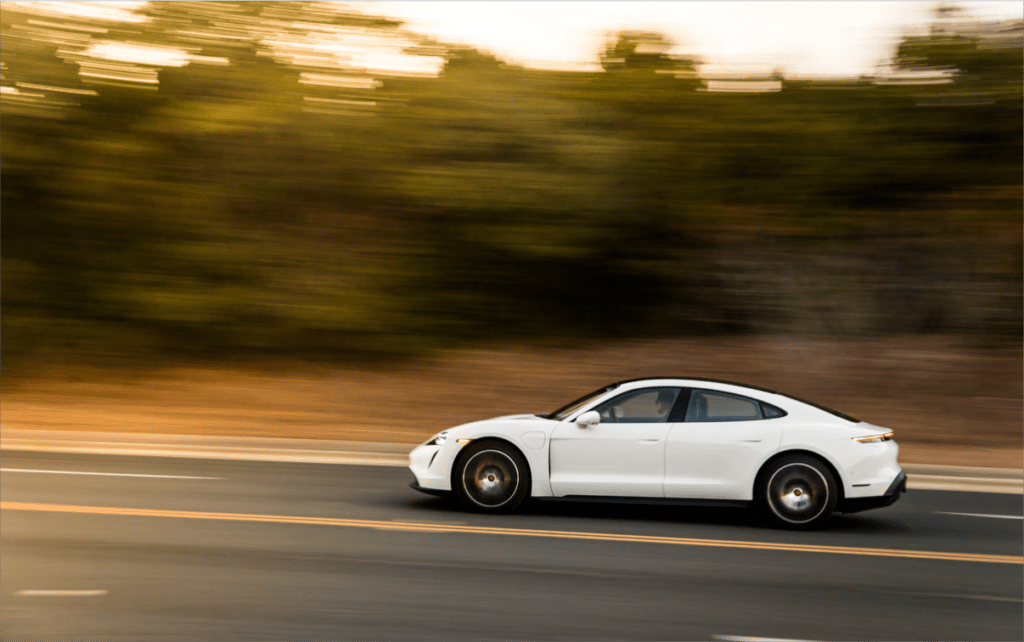
Porsche Taycan surprises me in the luxury space. Yeah, it's expensive new, but used buyers love that Porsche badge and driving feel. Rivian trucks, the R1T and R1S, are holding decently too, especially with adventure folks wanting electric off-road capability.
Here's a quick table of some standouts based on recent estimates – these are approximate retention percentages after three years:
| Model | Approx. 3-Year Retention | My Notes |
| Tesla Model Y | 60-70% | Most popular, huge demand used |
| Tesla Model 3 | 55-65% | Like my old one, solid return |
| Porsche Taycan | 55-60% | Luxury holds strong |
| Rivian R1T | 50-60% | Newer but adventure appeal helps |
| Hyundai Ioniq 5 | 50-55% | Good value, fast charging |
Some EVs That Depreciate Faster – Lessons From Friends
Not all are winners, though. My friend had a Jaguar I-Pace – beautiful car, but after three years, the resale was rough. Same with some Audi e-tron models. Luxury brands without the Tesla volume or Porsche prestige seem to drop quicker.
Older Chevy Bolts or Nissan Leafs from a few years back lose a bunch too, partly because battery ranges feel small now. Newer versions might do better, but early ones, not so much. Actually, anything flooded from lease returns can tank prices.
I almost bought a Mach-E once, but held off when I saw how fast some were depreciating. It's improved lately, but still.
My Take on Choosing an EV with Resale Value in Mind
If you're shopping now, I'd say look hard at Tesla Model Y or Model 3 if you want the safest bet for holding value after three years. They're not perfect – charging can be crowded sometimes – but the resale peace of mind is real. Porsche if you want something fun and fancy. Rivian if you need truck capability.
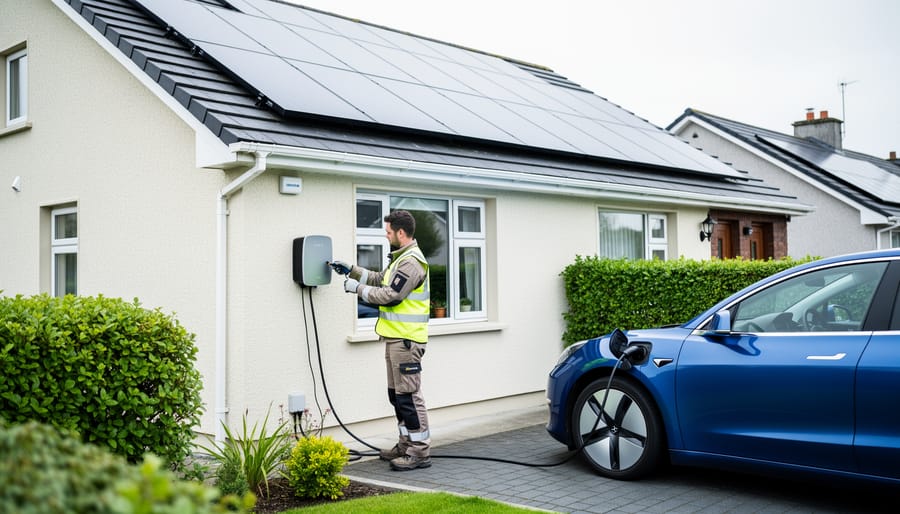
Me, I'm eyeing another Tesla next, maybe a refreshed Model Y. My last sale went so smooth, why mess with it? But check current used prices yourself – things change fast.
All in all, EV resale value after three years isn't as scary as it used to be for the top models. If holding value matters to you, stick with the popular ones. It'll make that next upgrade easier. What about you – any EV resale stories?