

Last year, right before everything changed, I finally pulled the trigger on an electric car. My old gas guzzler was costing me a fortune at the pump, and honestly, I was tired of it. A friend mentioned the federal EV tax credit was about to end, so I rushed to the dealership in September 2025 and drove home a new one just under the wire. Actually, I wasn't even sure I'd qualify at first, but it worked out. Now here we are in 2026, and I'm getting ready to file my taxes and claim that $7,500. If you're in the same boat, or wondering if you still can, let me walk you through it like I wish someone had for me.
It felt a bit chaotic at the time with all the news about the credit going away, but grabbing it turned out simpler than I expected. To me, the best part was knowing I locked in the savings before it was gone for good.
What's Going On with the Federal EV Tax Credit in 2026

Okay, first things first. The big federal EV tax credit of up to $7,500 pretty much wrapped up at the end of September 2025. If you bought or leased a qualifying new clean vehicle after September 30, 2025, sorry, there's no credit waiting for you on your 2026 taxes. That's the reality now.
But if you acquired your EV before that cutoff—like I did—you might still be able to claim it when you file for 2026, even if you didn't take delivery until later. The key is the purchase date, not when you actually started driving it. Actually, I remember stressing about delivery delays, but as long as the contract was signed and it was paid for in time, it counted. A lot of people I know scrambled in those last weeks, and dealerships were packed. To me, it was worth the hassle because $7,500 is real money back.
There used to be a transfer option where dealers applied it upfront, but that's gone now too for new purchases. For anyone who made it in under the deadline, though, the credit lives on through the old-school way on your tax return.
Figuring Out If Your Vehicle Still Qualifies for the $7,500 in 2026

Not every EV automatically gets the full amount, even if you bought in time. There were rules about battery components, where it was assembled, price caps, and your income. The MSRP had to be under $55,000 for cars or $80,000 for trucks and SUVs. North American assembly was a must for a lot of them.
I spent way too much time on the IRS site and FuelEconomy.gov cross-checking my model. Mine qualified for the full $7,500, but some only got half depending on the battery sourcing. If you're unsure, grab your VIN and look it up—there's still a list of eligible vehicles from before the cutoff. Actually, my neighbor bought the same model a month after me and missed out completely, which sucked for him.
Income limits matter too. For single filers, it was around $150,000 modified AGI, double for joint. If you're over, no credit. I was right on the edge one year because of a bonus, so I had to plan carefully. The IRS has the exact numbers, but basically, if you snuck in a purchase before October 2025, check those old rules.
Step-by-Step Way to Claim the EV Tax Credit on Your 2026 Taxes

This is the part I was nervous about, but it wasn't bad. You claim it using Form 8936 with your regular return. Here's how it broke down for me:
| Step 1 | Get your paperwork together: sales contract showing purchase date before October 1, 2025, VIN, and dealer report if they provided one. |
| Step 2 | Confirm your vehicle is on the eligible list—check IRS or the old FuelEconomy site. |
| Step 3 | Fill out Form 8936. Enter VIN, date placed in service (when you took delivery), and credit amount your model qualifies for. |
| Step 4 | Attach it to your 1040. The credit goes on the nonrefundable section, so it reduces what you owe but might not give extra if you have no tax liability. |
| Step 5 | File electronically or mail—e-file made it faster for me. |
I used tax software and it pulled most of it in once I entered the VIN. Actually, double-check everything because mistakes delay refunds. My accountant friend looked it over just in case.
If you leased, the credit went to the leasing company back then, so you probably got lower payments instead—no claim for you now.
Things I Learned the Hard Way and Some Tips

One thing—keep records forever basically. I scanned everything in case the IRS asks later. Also, if you sold the car too soon after claiming, there might be recapture, but most people hold onto them.
Another tip: if your tax situation is complicated, talk to a pro. I almost forgot the credit phases with income, and one year I thought I'd lose part of it. To me, the savings made switching to electric feel even better—cheaper to run and that big credit helped a ton upfront.
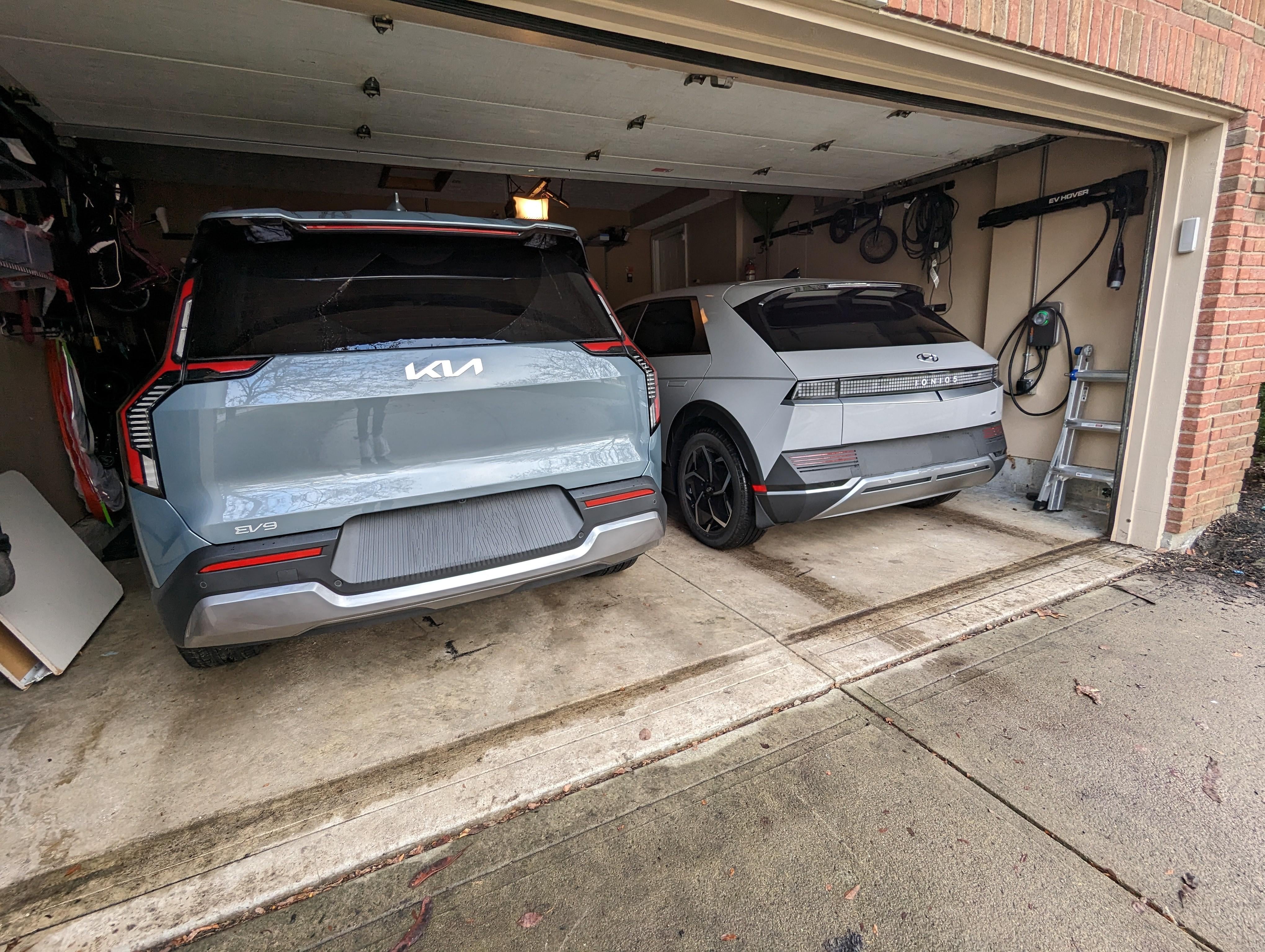
Anyway, if you managed to buy before the federal EV tax credit ended, definitely look into claiming what's left on your 2026 return. It's straightforward once you gather the info, and that money can go toward a home charger or just a nice vacation. Check your purchase date and run the numbers—might be the easiest $7,500 you'll ever get back.