
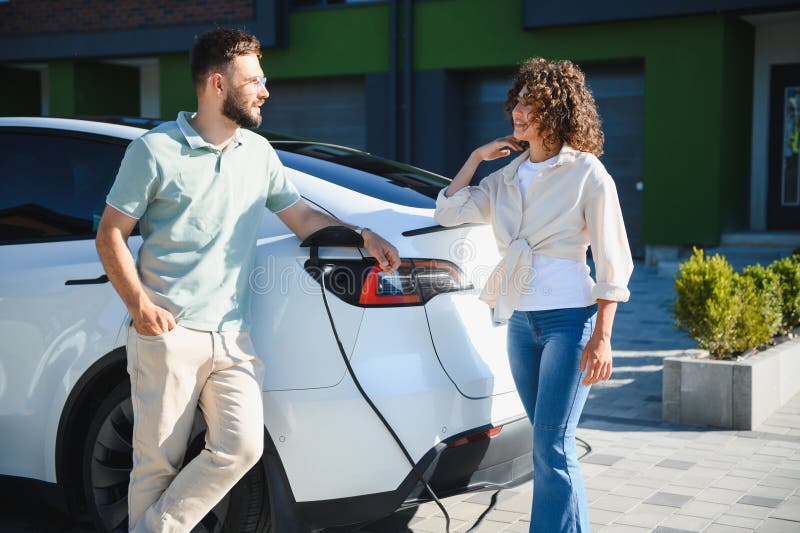
Last year I was standing in a dealership lot, staring at a shiny new electric SUV, and honestly, I had no idea what to do. Lease it or buy it? My old gas car was on its last legs, and everyone kept talking about how EVs were the future, but the numbers felt confusing. Actually, I ended up leasing that one for three years, and it's been great so far, but now in 2026 I'm already thinking about what's next. With the federal tax credit gone since late last year, things have shifted a bit for anyone looking at leasing vs buying an EV. To me, it's not as clear-cut as it used to be, but there are still some real differences that make one option feel better depending on your situation.
I remember chatting with the salesperson about how leases used to get that big discount from the credit even if the car didn't qualify for buyers. Now that's off the table, so monthly payments aren't quite as low as they were a couple years back. Still, plenty of people around me are leasing because the tech moves so fast. My neighbor just turned in her three-year-old model and picked up something with way better range without feeling stuck.
What’s Different About EVs in 2026

Actually, the biggest change this year is that the $7,500 federal credit isn't around anymore for new purchases or leases. That used to make leasing an EV feel like a no-brainer because the dealer could apply it right to your payments. Now deals are more straightforward, just lower prices from manufacturers and whatever state incentives are left. EV prices have come down overall, and there's a wave of off-lease cars hitting the used market, which is driving those prices even lower.
To me, that makes the whole leasing vs buying an EV conversation more about your driving habits than some big government boost. If you like having the latest features – better batteries, faster charging, newer software – leasing still lets you upgrade every few years without worrying about resale value. Buying means you own it outright eventually, and with EVs holding up pretty well, you might save more if you keep it a long time. I find the used market interesting now; my friend just grabbed a low-mileage one from a returned lease for way less than new.
Why Leasing an EV Can Feel Easier Right Now

Leasing still has that lower monthly payment thing going for it. You're basically renting the car for a set time, usually 24 to 36 months, and you hand it back at the end. No stress about what it's worth later, which is nice with EVs because battery tech keeps improving. Most leases keep you under warranty the whole time, so big repairs aren't on you.
Right now I'm seeing deals around $300 to $500 a month for decent models, depending on how much you put down and your mileage limit. That's often less than a loan payment on the same car. Plus, if you don't drive a ton – say under 12,000 miles a year – it fits perfectly. Actually, that's what sold me on my current lease. I wasn't sure about going all-in on electric, so trying it for a few years felt safer. And when the lease ends, I can walk away or buy it if I love it.
The downside? You don't build equity, and going over mileage adds up fast. Also, you can't modify the car much. But for a lot of people, especially in cities or with shorter commutes, leasing an EV in 2026 just keeps things simple.
When Buying an Electric Vehicle Makes More Sense

On the flip side, buying lets you keep the car as long as you want. No mileage limits, you can tweak it however, and once the loan is paid off, your costs drop to just charging and maintenance. EVs have fewer moving parts, so long-term ownership can be pretty cheap. To me, that's appealing if you pile on miles or plan to keep it eight or ten years.
With no federal credit, financing rates are what they are, but they're starting to come down a little this year. If you put a good down payment, your monthly might not be crazy higher than a lease. And resale on EVs isn't tanking like some feared – especially popular models. I know someone who bought a couple years ago and it's still worth a solid amount.
The catch is the bigger upfront cost or higher monthly if you're financing the full price. Also, you're on the hook for any repairs after warranty, though batteries seem to last longer than people thought. For families or high-mileage drivers, buying an EV often wins over time.
Quick Cost Comparison for a Typical EV in 2026

Let's look at rough numbers for something like a $45,000 EV – say a compact crossover that's popular right now. These are averages I've seen; your deal will vary.
| Leasing (36 months) | Buying (60-month loan at ~6%) | |
| Upfront/down payment | $3,000–$5,000 | $5,000–$10,000 |
| Monthly payment | $350–$550 | $750–$900 |
| Total paid over 3 years | About $18,000 (plus fees) | About $30,000 (but you own it) |
| After 3 years | Return car or buy out (~$25,000) | Still owe ~$20,000, car worth ~$28,000 |
| After 7 years | Might have leased twice (~$40,000 total) | Own it free, maybe worth $15,000 |
Actually, if you keep cars forever, buying usually costs less long-term. But if you like new stuff every few years, leasing keeps payments lower and you always have fresh tech.
What I’ve Learned From My Own EV Journey
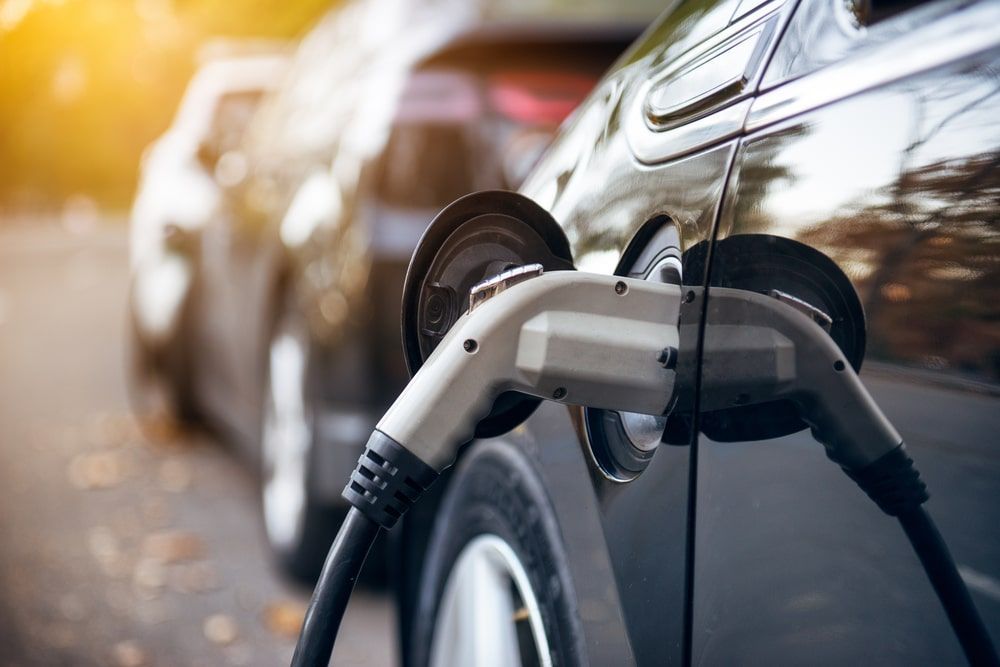
I leased my first EV back when the credit was still helping leases a lot, and it was perfect for testing the waters. Now that I'm coming up on the end of that term, I'm leaning toward buying next – probably something used from all those returning leases. The prices look tempting, and I think I'll keep it longer this time.
To me, there's no perfect answer for everyone on leasing vs buying an EV in 2026. It really comes down to how long you keep cars, how many miles you drive, and whether you get excited about new features. Run your own numbers with a couple dealers or online calculators, see what feels right for your budget. Whatever you pick, driving electric is pretty nice once you're in it – quiet, smooth, cheap to charge. If you're on the fence like I was, maybe start with a lease and see how it goes.