
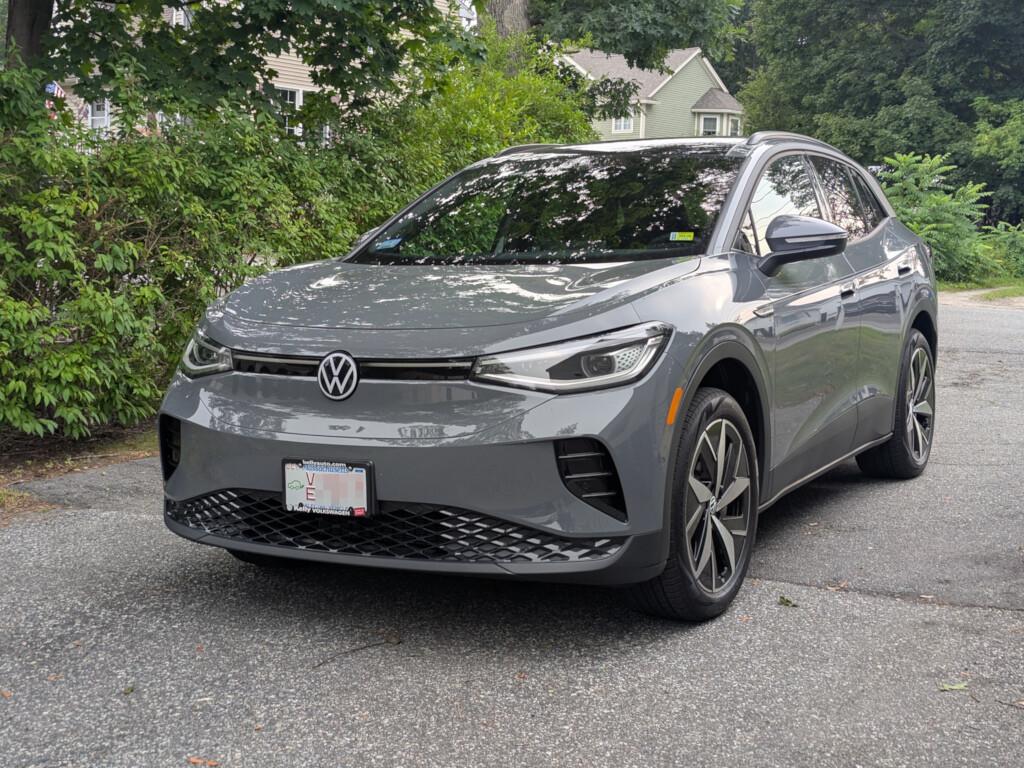
Three years ago I finally pulled the trigger and traded in my old gas sedan for an electric one. Honestly, I was nervous about it. Everyone kept talking about range anxiety and charging hassles, and I had this road trip coming up with the kids. But now I've hit right around 50,000 miles on the EV, and I still have all my receipts and notes from the gas car I owned before that. So I figured I'd sit down and actually compare the real costs side by side. Not some perfect spreadsheet scenario, just what happened to me. Turns out it's been interesting, actually way more lopsided than I expected in some areas.
I drive a lot for work, plus family stuff, so these miles added up quicker than I thought. The gas car was reliable but always felt like money just disappearing at the pump. With the electric, most days I plug in at home and forget about it. Anyway, here's how it shook out for me after those 50,000 miles.
Upfront Costs: The Sticker Shock Was Real
When I bought the gas car back in 2018, it was a used midsize sedan, nothing fancy, and I paid about $22,000. Ran fine, got decent mileage. Fast forward to 2022, I wanted something newer and went for a popular electric SUV. List price was higher, around $52,000, but after the federal tax credit and some state rebate I ended up around $42,000 out the door. Still $20,000 more than the gas one, which stung at the time.
To me that higher upfront cost is the biggest hurdle for a lot of people. I remember standing in the dealership thinking, am I really gonna spend this much extra just to avoid gas stations? But I liked the tech and the quiet ride, so I did it anyway. Actually, that difference starts to shrink once you factor in everything else over time.

Gas Fill-Ups vs Home Charging: Where the Money Really Adds Up
This is the part everyone asks about. With my old gas car I averaged about 28 miles per gallon, sometimes better on the highway, sometimes worse in traffic. Over those equivalent 50,000 miles I'd have burned roughly 1,785 gallons. Gas prices swung wild the last few years, but averaging around $3.80 a gallon where I live, that's about $6,800 spent on fuel.
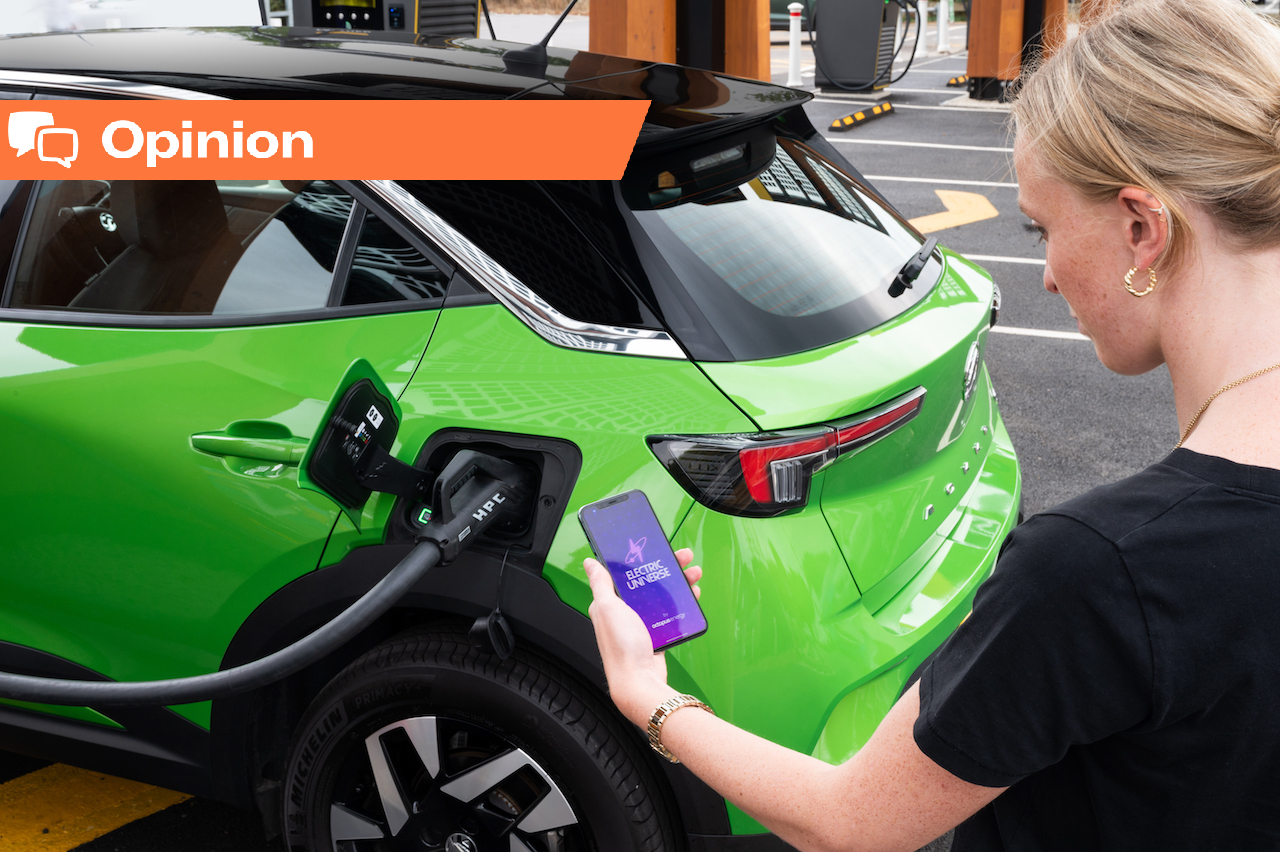
The electric side? I mostly charge at home overnight on a level 2 charger I installed in the garage. My electricity rate is around 14 cents per kWh, and the car gets about 3.4 miles per kWh in mixed driving. So for 50,000 miles that's roughly 14,700 kWh, coming to about $2,060. Even throwing in a few public fast charges on trips, maybe another $300 total. Huge difference.
I find home charging so convenient I barely think about it anymore. One time we did a 800-mile family trip and I had to plan stops, but even then it was cheaper than gas would have been. Actually made me laugh when I saw the old gas receipts.
Maintenance: The Electric Side Surprised Me Most
My gas car needed regular stuff, oil changes every 5,000-7,000 miles, new brakes around 40,000, spark plugs, air filters, all that. Over a similar period I probably spent close to $1,800 on routine maintenance and a couple bigger repairs like a water pump.
The EV? Almost nothing. No oil changes ever, regenerative braking means the pads last forever, I think I'm still on the original set at 50,000 miles. I've rotated tires a few times and replaced cabin filters myself. Total maintenance cost so far is under $400. One thing though, tires wear faster because of the weight and torque. I replaced them earlier than I would have on the gas car, maybe $900 for a new set.
To me this is where electric really shines. I used to dread taking the gas car in for service, waiting around or paying surprise bills. Now I just check tire pressure at home and keep going.

Other Costs: Insurance, Tires, Little Things
Insurance was a little higher on the EV, maybe $200 more per year because of the higher value and repair costs if something big happens. Tires I already mentioned, faster wear meant replacing sooner. Registration fees are similar where I live, though some states charge extra for EVs.
One unexpected perk, my electric company gives a small discount for off-peak charging, saved maybe $150 total. No big tax breaks beyond the initial purchase credit.
Total Costs After 50,000 Miles: The Numbers Side by Side
Alright, here's the rough breakdown I put together from my actual records.
| Category | Gas Car (approx) | Electric Car (actual) |
| Purchase price difference | $0 (baseline) | +$20,000 |
| Fuel / Electricity | $6,800 | $2,360 |
| Maintenance & repairs | $1,800 | $1,200 (mostly tires) |
| Insurance difference | $0 | +$800 |
| Total operating cost | $8,600 | $4,360 |
| Net after 50,000 miles | $8,600 | $24,360 (includes upfront) |
| Difference | Electric still $4,240 more overall |
Wait, that doesn't look like savings yet. But hold on, the upfront gap closes the longer you keep the car. If I drive another 50,000 miles the operating savings keep adding up with almost no extra maintenance. Plus I plan to keep this EV a long time. Actually, right now the numbers are closer than they seem because the gas car would have depreciated too.

Looking back after these 50,000 miles, going electric has cost me more upfront but way less to run day to day. For me the savings on fuel and maintenance already feel noticeable every month. If you drive a lot like I do, the real-world cost comparison starts favoring electric pretty quick. Your situation might be different, electricity rates, gas prices, how far you drive each year. Maybe pull your own numbers and see what makes sense for you.