
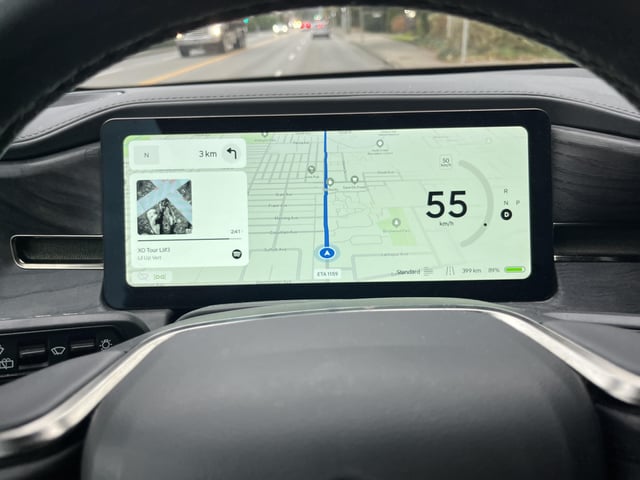
I still remember the first time I really felt regenerative braking kick in. I'd just picked up my used Tesla, driving home on a twisty road outside the city, and I lifted off the accelerator going downhill. The car slowed way more than I expected, and then I glanced at the screen and saw the battery percentage actually going up a little. I thought the display was broken at first. Turns out that was regen braking doing its thing, turning the energy I'd normally waste into something useful. Ever since that drive, I've been kind of obsessed with getting the most out of it. If you're new to electric cars or just curious about what regenerative braking actually does, stick around, I'll walk you through it like I've learned it myself.
To me, regenerative braking is one of the biggest differences when you switch to an EV. It's not just slowing the car down, it's grabbing some of that kinetic energy and feeding it back to the battery. Pretty smart, right?
What Regenerative Braking Really Is in Everyday Driving
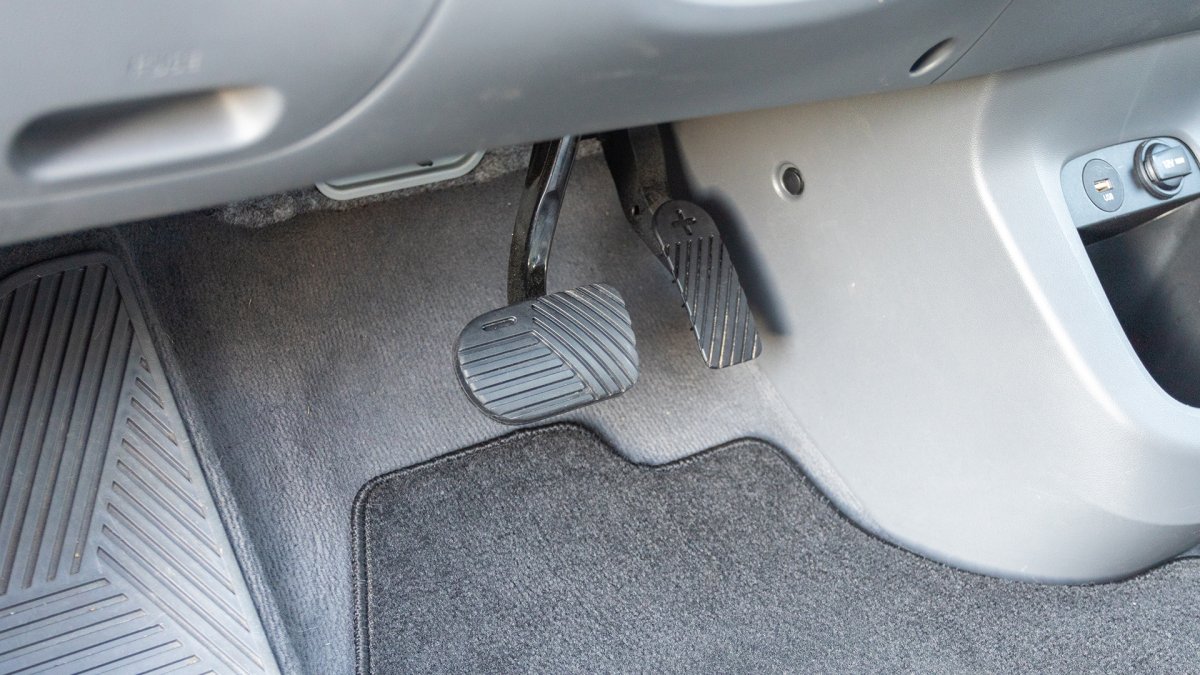
Okay, so regenerative braking, or regen braking, is basically the electric motor flipping roles. Normally it pushes the car forward, but when you ease off the accelerator, it starts acting like a generator and slows the wheels while charging the battery. In most electric cars you can feel it right away, the car decelerates without you touching the brake pedal. Some people call this one-pedal driving because you can do almost everything with just the right pedal.
I didn't get it at first. Coming from gas cars, I kept reaching for the brake out of habit. But after a week or so, it clicked. Actually, the first time I drove in heavy traffic and barely touched the brake pedal the whole commute, I felt like I'd unlocked some secret level. It's not magic, though, just clever engineering that makes electric cars more efficient than regular ones, especially in stop-and-go situations.
Different cars let you adjust how strong the regen feels. Some have paddles on the steering wheel, others have settings in the menu from light to heavy. I usually keep mine pretty strong because I like the control it gives.
How Regenerative Braking Actually Works Inside the Car

Here's the simple version of how regenerative braking works. When you're coasting or slowing down, the electric motor reverses and turns the wheels' motion into electricity. That electricity goes straight back to the battery instead of turning into heat like in traditional brakes. The harder the deceleration, the more energy you can recapture, though there's a limit before the regular friction brakes join in for safety.
I noticed this big time on a road trip through some hills last summer. Going downhill, the battery gauge kept climbing instead of dropping. I ended up arriving with more charge than when I left the top. That kind of thing just doesn't happen in a gas car. To me, that's the coolest part, you're not just saving energy, you're actually making some back while you drive.
Most modern EVs blend the regen with the regular brakes seamlessly. You step on the brake pedal and it starts with regen, only using the physical brakes when you need more stopping power. You barely notice the switch unless you're really paying attention to the energy flow arrow on the dash.
| Slowing Method | Traditional Gas Car | Electric Car with Regen |
| Energy when slowing | Turns to heat, lost forever | Some turns back to electricity, stored in battery |
| Brake pad wear | Higher in city driving | Much lower, pads last longer |
| Range impact in traffic | Worse than highway | Often better than highway |
The Benefits I've Seen from Using Regen Braking All the Time
After a couple years of driving electric, the benefits of regenerative braking are hard to ignore. First off, my range is way better in the city than on the highway. In my old gas car it was the opposite. Now stop-and-go traffic actually helps because every time I slow down I'm putting a little charge back. On my daily commute I regularly add five to ten miles of range just from regen.
Another thing I love is how much less I use the actual brakes. My brake pads look almost new after tens of thousands of miles. That saves money and hassle. Also, driving feels smoother somehow. You anticipate traffic more, lift off early, and glide to stops. It's less jerky than constant brake tapping.
A friend of mine switched to an EV around the same time I did, and we used to compare ranges. He kept driving like he was in a gas car, always braking late. I'd beat him by twenty or thirty miles on the same route just because I leaned into the regen more. Little things add up.
How to Master One-Pedal Driving and Strong Regen
The trick to getting good at regenerative braking is practice and paying attention to what's ahead. Start in a low-traffic area, put the regen on its strongest setting if your car has one, and try coming to complete stops without touching the brake. It feels weird at first, the car slows faster than you're used to, but you'll get the feel for how much to lift off.
I found looking farther down the road helps a lot. See a red light coming? Ease off early and let regen do the work. You'll slow smoothly and capture more energy than if you coast then brake hard at the last second. In traffic, try to keep a bigger gap so you can control speed mostly with the accelerator.
One thing that helped me was watching the energy flow display. Seeing those green arrows or the battery charging while slowing makes it satisfying, like a game. Over time your foot gets really precise, you barely need the brake except for emergency stops.
If your car has adjustable regen, experiment with different levels. I like max most of the time, but sometimes on long highway trips I'll dial it down for smoother coasting. Just takes a little time to find what feels right for you.
Getting comfortable with strong regenerative braking changed how I drive completely. It's more relaxed somehow, even in busy areas, and I end up with more range at the end of the day. If you have an EV or you're thinking about one, spend some time playing with the regen settings and practicing one-pedal driving. You'll probably find, like I did, that it's one of the best parts of going electric. Give it a real try on your next few drives and see how much difference it makes for you.