
Hey, a couple years back I finally pulled the trigger on my first electric car. It was a used 2020 Chevy Bolt, nothing fancy, but man, picking it up for under twenty grand felt like stealing. I remember driving it home, plugging it into my regular outlet in the garage, and just grinning because gas stations were suddenly someone else's problem. That little Bolt changed how I think about cars, and now in 2026 I'm deep into watching the used EV market. Prices have dropped a ton, and there are some real winners out there if you know where to look.
Actually, the whole thing started when my neighbor got a Tesla Model Y and wouldn't stop talking about the charging network. I got curious, started digging around, and realized 2026 might be the sweet spot for buying used EVs. So many good ones coming off lease, batteries holding up better than people expected, and yeah, a few you probably want to skip. I've test-driven a bunch lately, talked to owners, and made a few mistakes along the way. Here's what I've figured out about the most reliable used EVs to buy in 2026 — and the ones I'd personally avoid.
Why Going Used Makes Sense for EVs Right Now
To me, the biggest shift in 2026 is how much cheaper solid EVs have gotten on the used market. New ones are still pricey for a lot of us, but three- or four-year-old models lost a chunk of value fast, especially the bigger-battery ones. The good news is most batteries are still showing 85-95% health, way better than the horror stories from a few years ago.
I find the charging situation way less stressful now too. Public chargers are everywhere, and if you pick something with access to a good network, road trips aren't the headache they used to be. Plus home charging is dirt cheap compared to gas — my Bolt cost me like twelve bucks to fill up completely some months. Actually, that's what hooked me for good.
My Favorite Reliable Used EVs to Consider in 2026
These are the ones I keep coming back to when friends ask what they should buy. I've either owned something similar, driven them a lot, or know people who have put serious miles on them without drama.
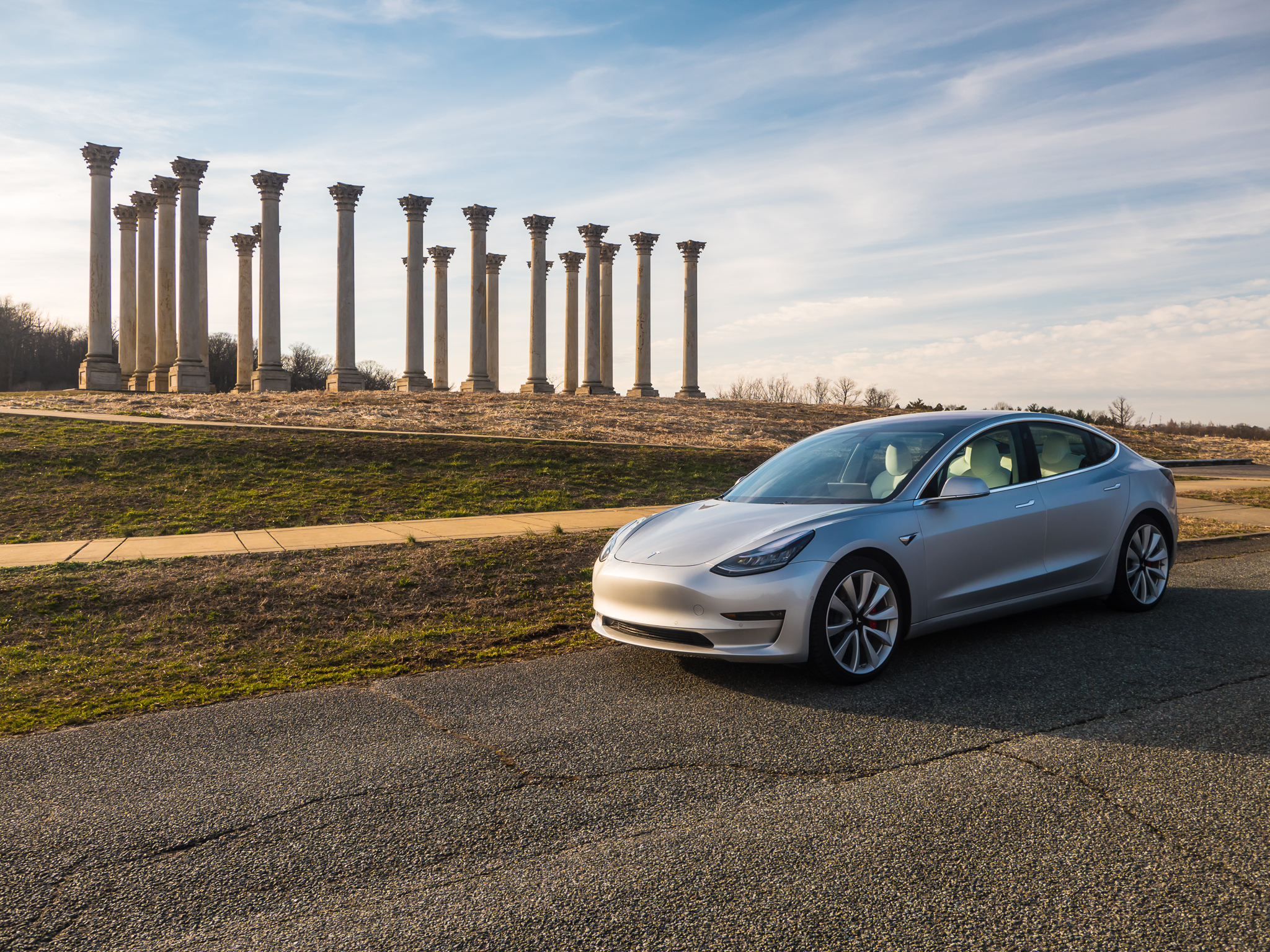
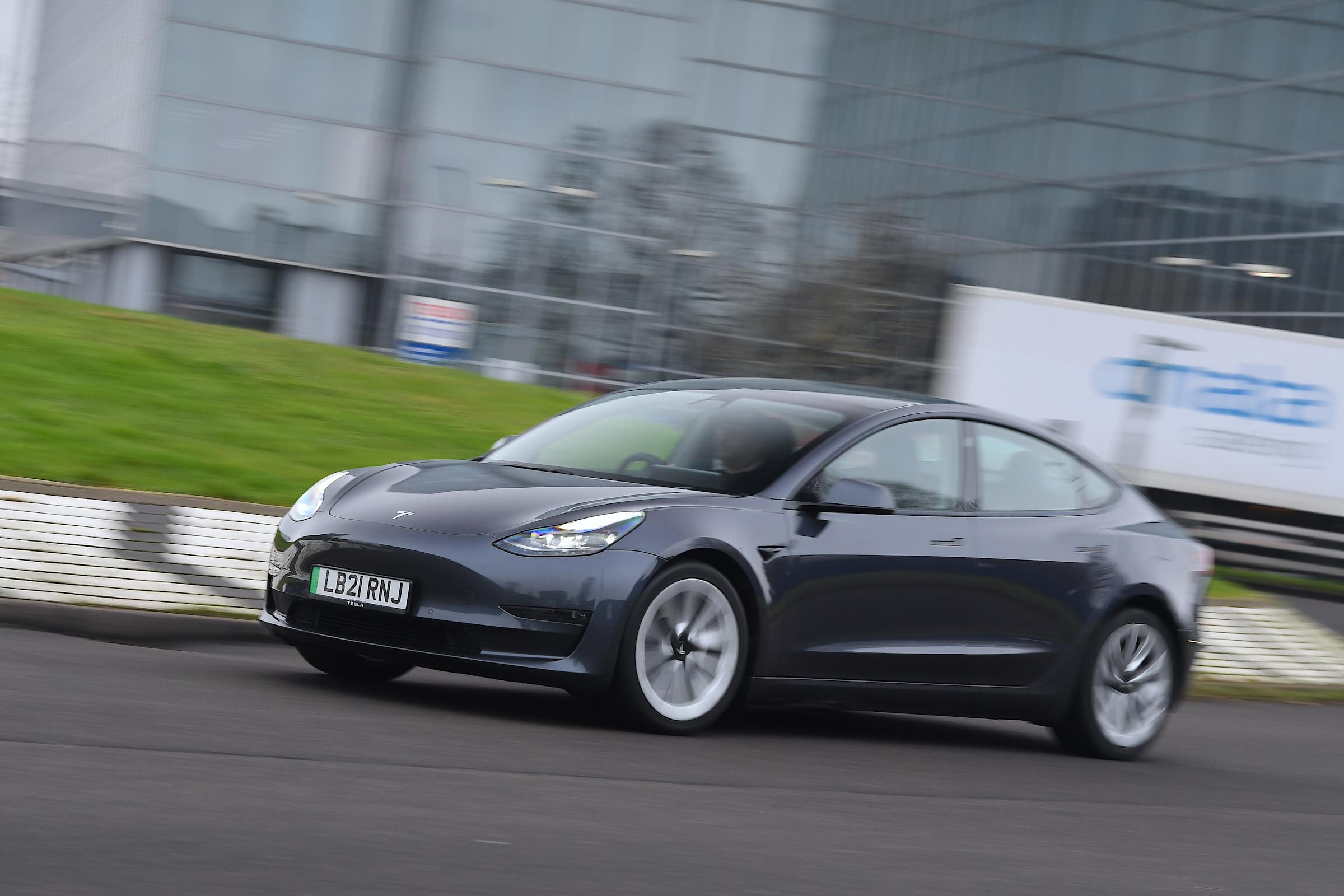
| Tesla Model 3 (2019-2023) | Around $20-30k | 250-300 miles | Super reliable battery, huge charging network, fun to drive. My buddy has a 2021 with 90k miles and it's still like new. |
| Tesla Model Y (2020-2023) | Around $28-38k | 270-310 miles | More space than the 3, same great tech. Feels like the practical choice for most people. |
| Hyundai Ioniq 5 (2022-2024) | Around $25-35k | 250-300 miles | Super fast charging, cool looks, comfortable inside. Hyundai's warranty transfers too. |
| Chevrolet Bolt/Bolt EUV (2020-2023) | Around $15-22k | 250-260 miles | Crazy cheap now, new batteries from the recall, perfect city car. Mine's been bulletproof. |
| Kia EV6 (2022-2024) | Around $28-38k | 250-310 miles | Similar to Ioniq 5 but sportier. Great build quality. |
If I had to pick one right now, I'd probably go for a Model 3 again just because the charging network makes life easy. But honestly any of these feel safe.
Used EVs I'd Probably Pass On in 2026
Not everything ages gracefully. Some older models just don't hold up the way newer ones do, especially when it comes to battery health.
The early Nissan Leafs (2011-2017 especially) are the big one I'd avoid unless it's super cheap and you're only driving short distances. The batteries degrade pretty fast without proper cooling, and I've seen too many with barely 60-70 miles of real range left. A friend bought one thinking he'd save money and ended up frustrated on anything longer than a grocery run.
The BMW i3 is quirky and fun, but the range was small even when new, and replacement batteries are expensive if something goes wrong. Same with the Fiat 500e — cute but tiny battery that feels limiting now.
Also, really high-mileage anything without the original battery warranty left makes me nervous. Batteries are holding up better than expected, but replacing one out of pocket would hurt.
Things I Always Check Before Buying a Used EV
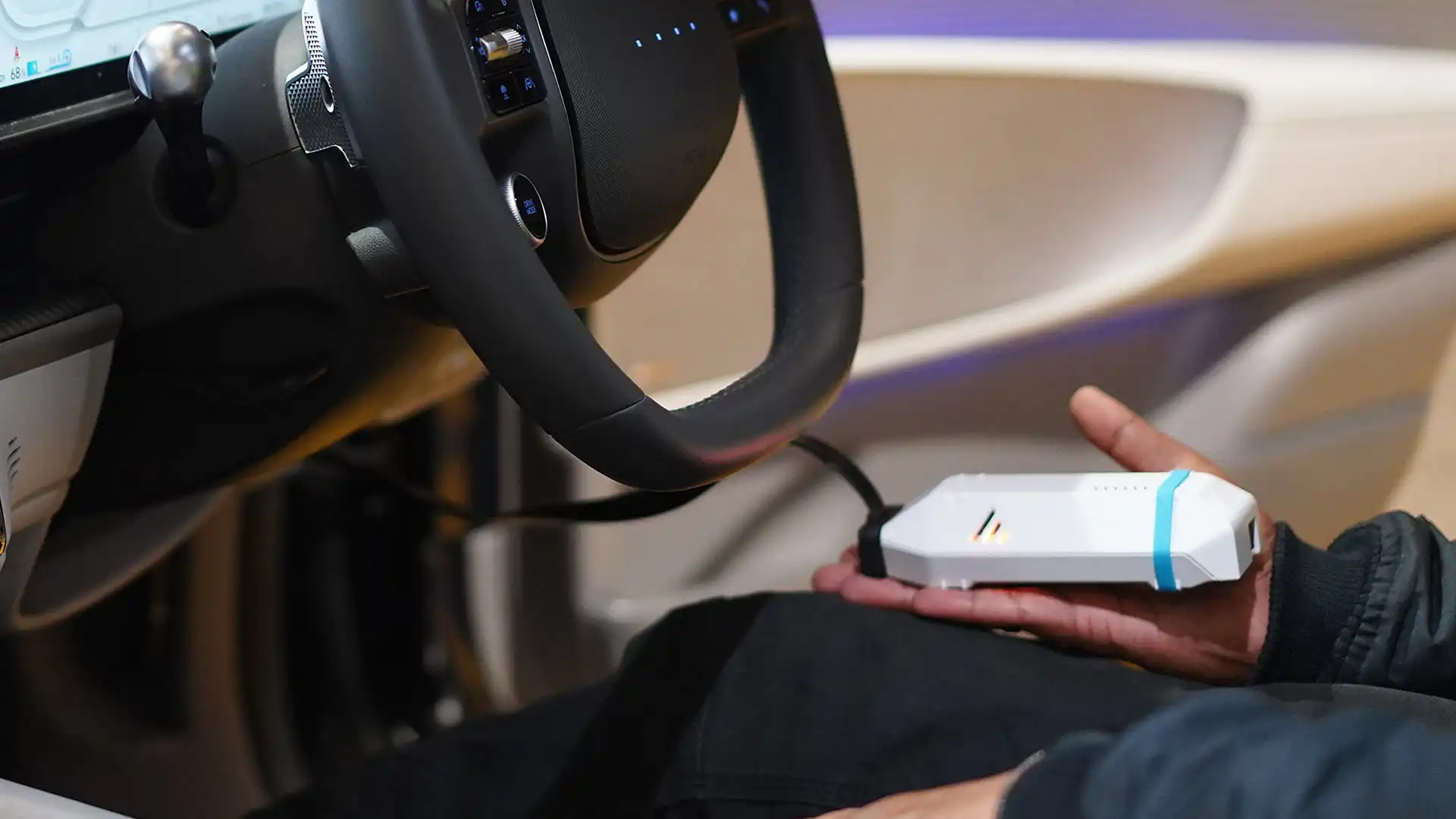
This is the stuff that's saved me a couple times. Get a good pre-purchase inspection from someone who actually knows EVs. Check the battery health — most cars show a percentage or you can use an OBD scanner. Look for recall fixes, especially the Bolt battery thing (they got new packs).
Tire wear matters more on EVs because they're heavier, and test the charging port. I always take it for a decent drive and watch how the range estimate behaves. Also check if the warranty transfers — Tesla's battery warranty is eight years, Hyundai/Kia is ten, that kind of thing gives peace of mind.
One time I almost bought a Model S that looked perfect online, but when I drove it the range was way off what the seller claimed. Walked away and glad I did.
At the end of the day, 2026 feels like a great time to jump into a used EV if you've been waiting. The most reliable used EVs out there now give you solid range, low running costs, and way less hassle than people think. Just do your homework, maybe lean toward the ones with the best track records like the Teslas or newer Hyundais/Kias, and you'll probably love it like I do. If you're on the fence, go test drive a few — that's what finally convinced me.